Read More



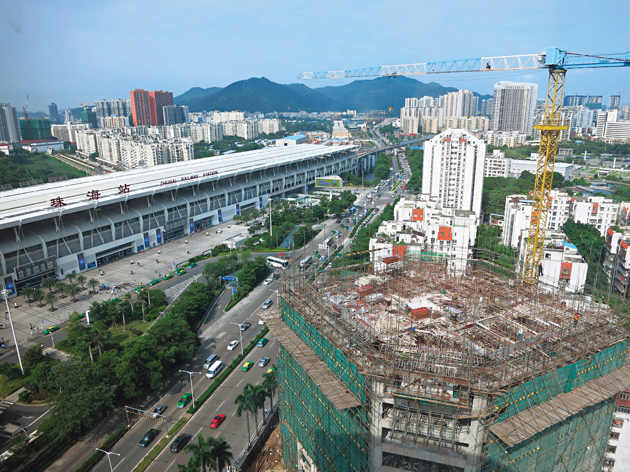
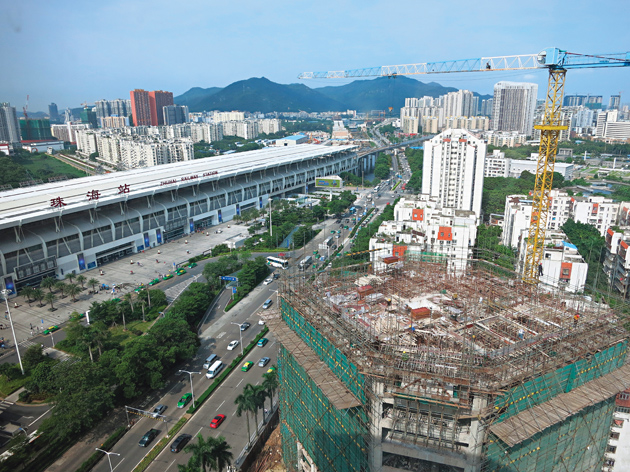
A mainland real estate agent passed himself off as a Centaline Property Agency agent to promote unregistered residential properties in Zhuhai city to Hong Kong buyers on social media platforms.
The agent, who called himself Terry, said he was sales manager of a marketing service platform under Centaline in Zhuhai.
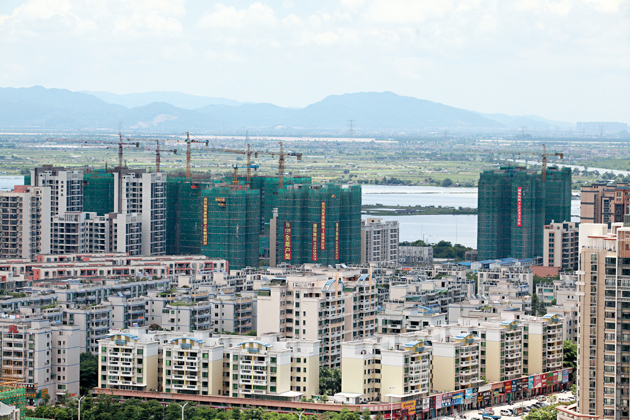
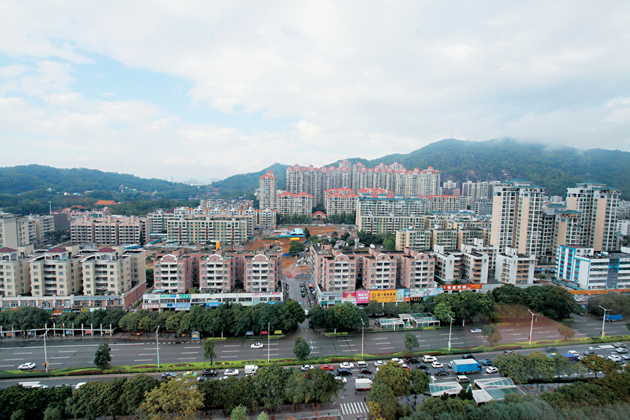
Terry claimed on social media platforms that a Hong Kong homeowner with cash flow problems due to the pandemic was offering a duplex apartment in a project in Jinwan District in Zhuhai for sale at only 2.8 million yuan (HK$3.24 million).
He said the developer had not registered with real estate management authorities the sales and purchase agreement signed with the original owner.
"The procedures are the same as buying a new flat. You sign a deal with the developer, you can borrow mortgages and you are taxed at the rate applied to new home purchases," Terry said.
He added that the developer would give a refund to the original owner after the new buyer made the initial down payment, and the new buyer did not need to pay any other tax or handling fees.
He said buyers could view the house through video calls, and many Hong Kong buyers asked their friends or family members to view the environment on their behalf.
Terry said many people purchased such apartments on hopes of price appreciation.
However, there is no information about Terry or the project on Centaline's website, and Centaline confirmed that Terry was not employed by the property agency.
Centaline also said its Zhuhai branch was not providing agent services for that particular project in Jinwan District and that it would report the case to the government.
In the mainland, after a buyer purchases a flat in the primary market from a developer, the government may not immediately have the record of the ownership of the unit. During this time gap, if the original buyer no longer wants the flat, the developer may simply call off the purchase agreement with the original buyer and then sign a new one with a new buyer.
However, real estate that has "not been registered and obtained title certificates in accordance with the law" shall not be transferred, according to China's Urban Real Estate Administration Law.
A real estate agent said that some mainland developers allow owners to transfer their flats to third parties within one year, but usually only special clients of developers can do that.
Developers usually register sales agreements with authorities within two months, said David Hui, sales director of Centaline Property Agency Limited (China and Overseas Projects).
Hui added that the most appropriate way for developers was to take away deposits after the trade deadline passes and then offer the properties in the market for sale again.
By buying unregistered units, it is likely that home buyers could lose the protection that would have been provided by developers, said Tony Kwok Tak-leung, chairman of Guangdong Hong Kong Macau Greater Bay Area General Chamber of Real Estate Industry.
Stephen Sum, a specialist in mainland property investment, said some real estate agents in fact purchased flats at wholesale prices from developers and resold them.
Sum said some Hong Kong investors had fallen into the trap.
He said after the victims had remitted the down payment, the agent absconded with the money, and the victims failed to claim losses from the developer.