Read More












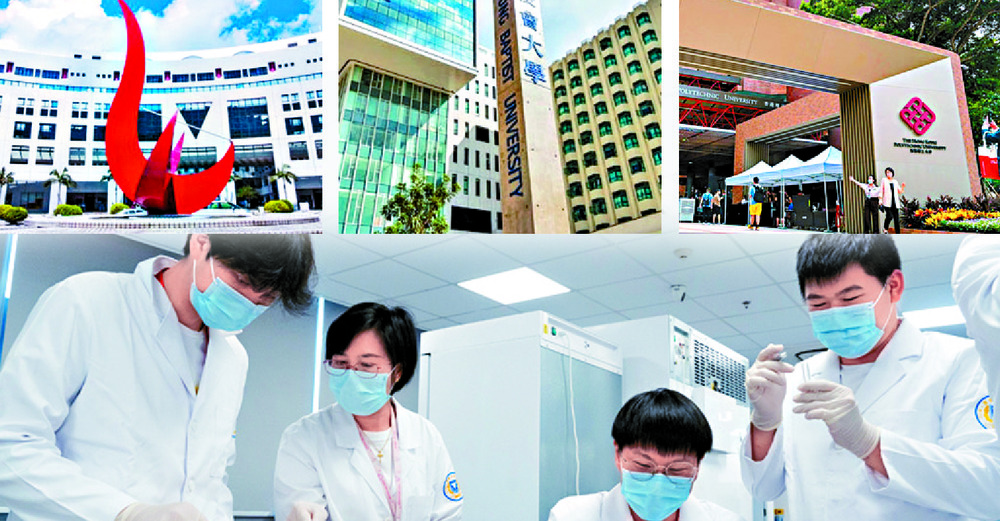
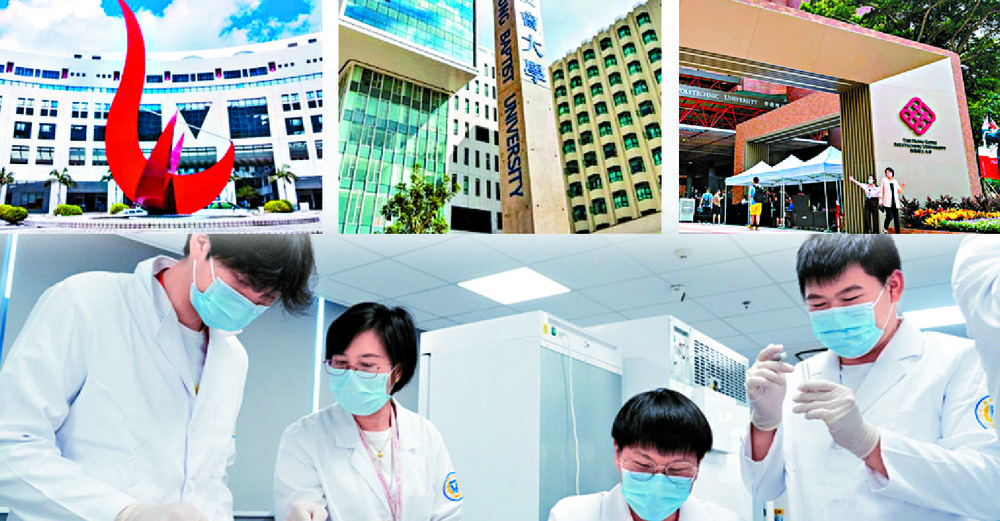
A question stands out as the evaluation process is expected to begin in the second quarter with interviews with the candidates: what niche they can contribute?
Yesterday, PolyU stressed the role of artificial intelligence in medical education and practice, which is forward-looking with a potential to revolutionize diagnostics and patient care.
Their common issue is: these are all broad statements in need of precise definition.
So, will PolyU's AI focus translate into specific training and treatments? Will HKUST accord priority to biotechnology and precision medicine? Will HKBU's hybrid model produce globally competitive doctors rather than a curriculum all but diluted?A lack of specificity could undermine the vision. The role of the new medical school is straightforward: train more doctors and offer something the others do not.
A well-defined specialty in medicine can position Hong Kong strongly in healthcare.Georgia, for example, is known for pioneering the use of bacteriophage therapy - a treatment using viruses to combat bacterial infections resistant to antibiotics - that is not yet licensed in many countries. In the UK, it can be used only in very specific cases where licensed alternatives are not meeting clinical needs.
Cuba, another example, is constrained fiscally, but has built a reputation for its low-cost healthcare designs. The country engages in medical diplomacy, and has produced vaccines like CIMAvax for lung cancer which is drawing global interest.When developing countries like them are making it, Hong Kong - as an international city - surely can. CUHK has been leading in nasopharyngeal cancer research with a blood test kit that identifies high-risk patients early.
Already strong in medicine, can the SAR also use the opportunity to align the new medical school with a signature strength? The new programs must offer education and treatments that attract patients and professionals.Singapore blends advanced technology with medical tourism.
Hong Kong, being a gateway to the huge mainland market, can also attract patients who are willing to pay a premium for unique, effective medical care. The competition between HKUST, HKBU and PolyU can be an opportunity to elevate the medical infrastructure if the candidates can clarify their unique strength and vision.