Read More





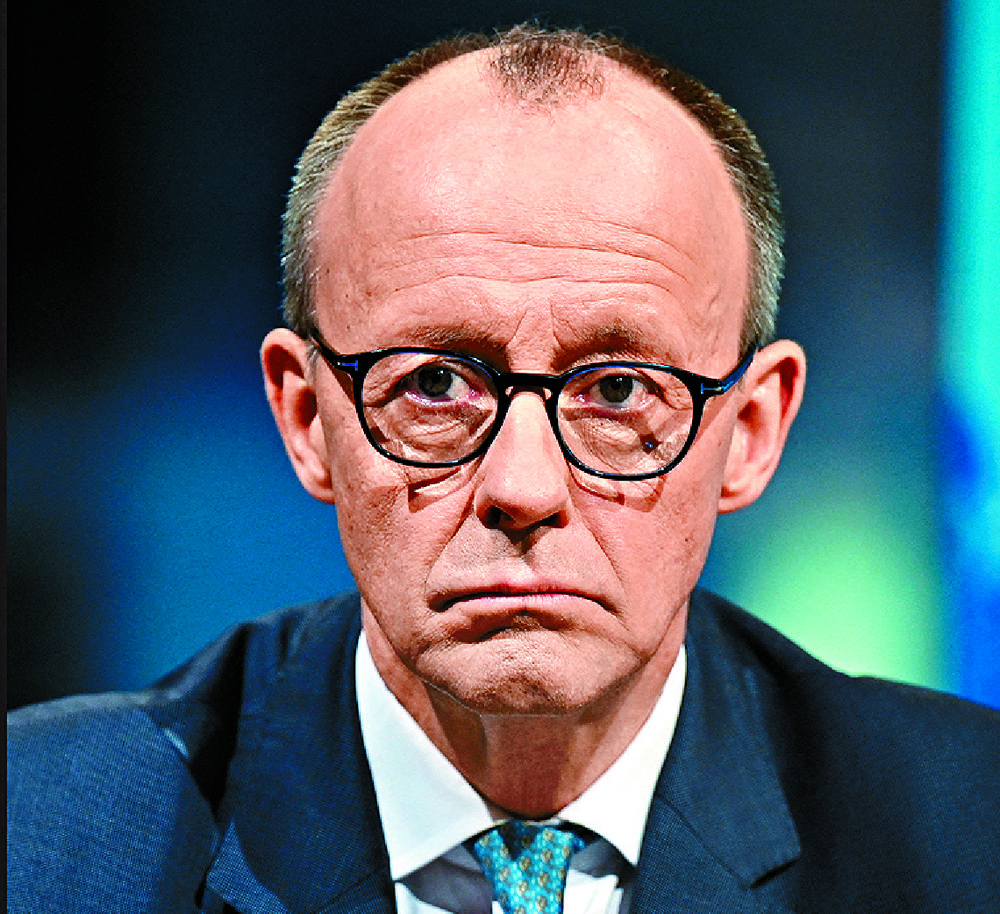
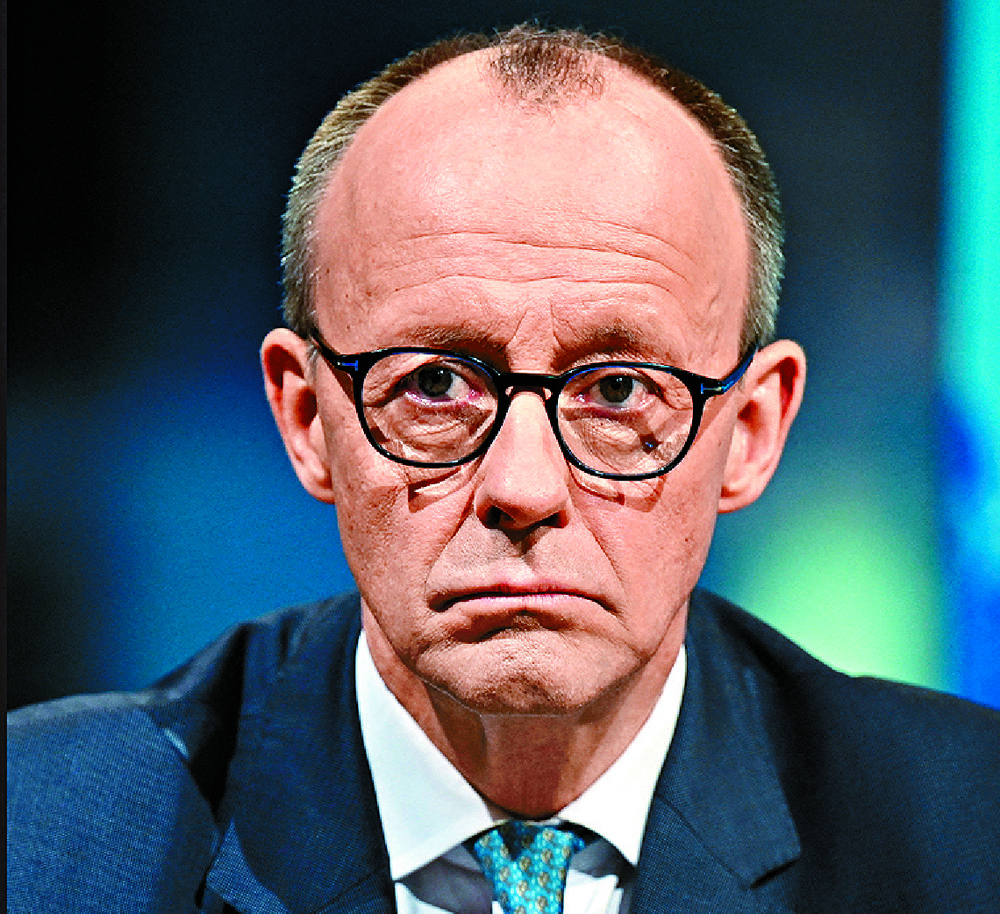
Merz has claimed victory, but faces the daunting task of forming a new coalition.
The CDU's unimpressive win has left Merz without a majority, forcing him into coalition negotiation in a deeply divided Bundestag, the federal parliament. As the CDU grapples with the new Trump administration, he has also called for security "independence" from the United States and expressed doubts about the future of NATO.
If AfD, led by Putonghua-speaking ex-Goldman Sachs economist Alice Weidel, were in the unlikely chance to be invited by Merz to form a coalition, AfD would be in a government position for the first time to have a direct impact on policies including Berlin's foreign policies.
If it were not invited, it would be the country's largest opposition party wielding a level of influence it had never before.In either case, it would be an outcome Beijing would be pleased to see in wake of the relationship that Weidel has maintained with China over the years. Her personal background suggests an affinity for China, which has not gone unnoticed.
She had spent time living in China - finishing her doctorate on China's pension system.Chinese web users have dubbed Weidel as the successor of "Aunt Mo," in reference to ex-Chancellor Angela Merkel, who was known for advocating pragmatic ties with Beijing. Mainland media has also praised her for preferring economic exchanges to ideological friction.
German media reported during the election home stretch that Weidel had been meeting secretly with Wu Ken, China's former ambassador to Germany. Beijing may anticipate a louder voice of sympathy in Berlin.AfD has doubled its vote share from that of 2021, with a strong showing in eastern Germany, where 10 million people voted for the AfD. Voters who had previously abstained turned out in record numbers this time in favor of AfD's opposition to immigration and in protest of a stagnant economy.
In particular, AfD brandishes a platform opposing Ukraine aid, advocating "remigration" and seeking closer Moscow ties.It also rejects NATO, calls for lifting Russia sanctions and emphasizes sovereignty echoing a multipolar world not dominated by Washington. In 2023, Weidel and her AfD colleagues visited China, showing an openness to Belt and Road Initiative projects.
It is small wonder Elon Musk joined AfD's election campaign kickoff rally last month and JD Vance spoke with her on the sidelines of the Munich Security Conference earlier this month, where the US vice president railed against Europe's centrist parties and advised German leaders to work with AfD rather than isolating it.After the Chinese, the Trump administration has also learned to invest in small parties before they ascend to power.