Read More
The outcome of Kuomintang chairman Eric Chu's direct talks with Taiwan People's Party leader Ko Wen-je over cooperation in Taiwan's presidential election - due to be held in three months - has been a plain failure.Chu and Ko did manage to secure some consensus at their summit.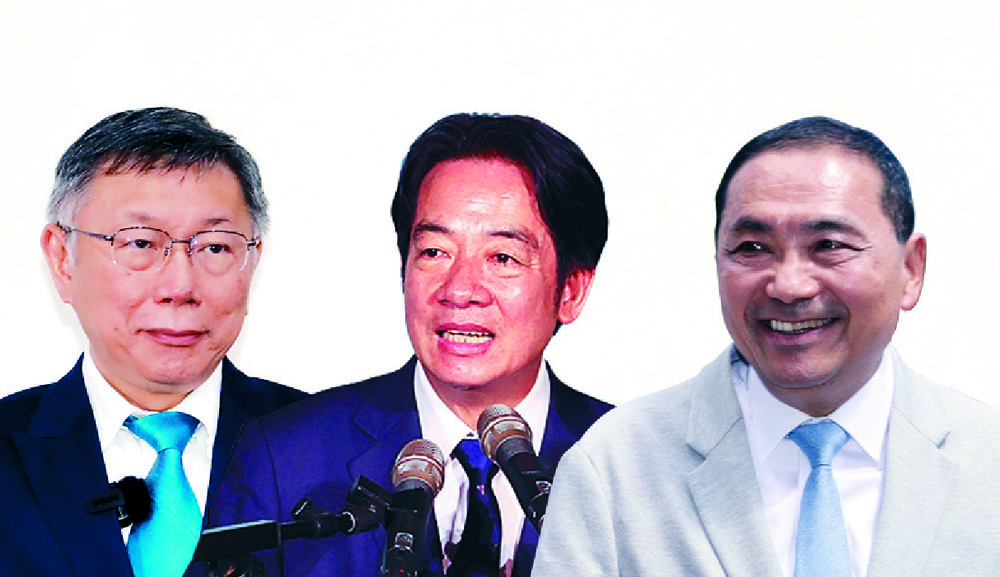
Without a joint presidential ticket between the two opposition parties, vice president and ruling Democratic Progressive Party chairman Lai Ching-te will likely win the January 13 general vote - a result bound to infuriate Beijing and escalate regional tensions.
ADVERTISEMENT
SCROLL TO CONTINUE WITH CONTENT
Of the four points agreed, the pledge to maximize the number of each other's seats in the Legislative Yuan was the only significant substance.
Others - including reforming Taiwan's democracy, restarting cross-strait dialogue and requiring the president to make reports in the legislature - are all just cosmetic to show followers that the meeting had been successful.
Perhaps by the moment both entered the conference room, they were already prepared for a showdown on a joint ticket as the stake was so direct to each other's interest that it would be unrealistic to expect either to give up.
Should New Taipei City mayor and KMT's hand-picked candidate, Hou Yu-ih, lead the ticket to be the president and Ko to be the vice-president were the combination to be elected? Or should it be vice-versa that, in the event of an electoral victory, Ko would be president and Hou vice president?That is the bone of contention - the gap is just too huge to bridge without an external factor.
KMT considers it has inherited a long-standing legacy in modern Chinese history and has more seats in the legislature and local administrations.In light of this, KMT will not accept itself to appear lower in a deal with the smaller TPP.
Therefore, a Ko-Hou ticket is KMT's only option.But would Ko accept being vice president - a role that would be little more than figurative?
Ko is well aware that a number of the middle-class and young voters prefer him to someone from KMT and he would not be content with a decorative role.Without a major outside factor, it is more likely than not that the January vote will be a three-party race, exactly like where it started months ago.
Foxconn founder Terry Gou has continued to adopt a low profile in recent days after mainland authorities started investigating Foxconn's tax and land use and China's state media Global Times openly condemned him for running in the election to split the votes due to Hou and Ko.It should be noted that Ko met with Gou on the eve of his summit with KMT's Chu.
Even though billionaire Gou trailed behind the other three in most opinion polls, he holds a critical minority mass that could readily shift the balance within an opposition alliance.With Gou's support, Ko would see his popularity rating surpass that of Hou. Then, he could strengthen his bargaining power with KMT for a Ko-Hou ticket.
But time is running out for both, with nominations from November 20 to November 24. Can they strike a deal before nomination closes? I seriously doubt it.From left, Ko Wen-je, Lai Ching-te and Hou Yu-ih.