Read More
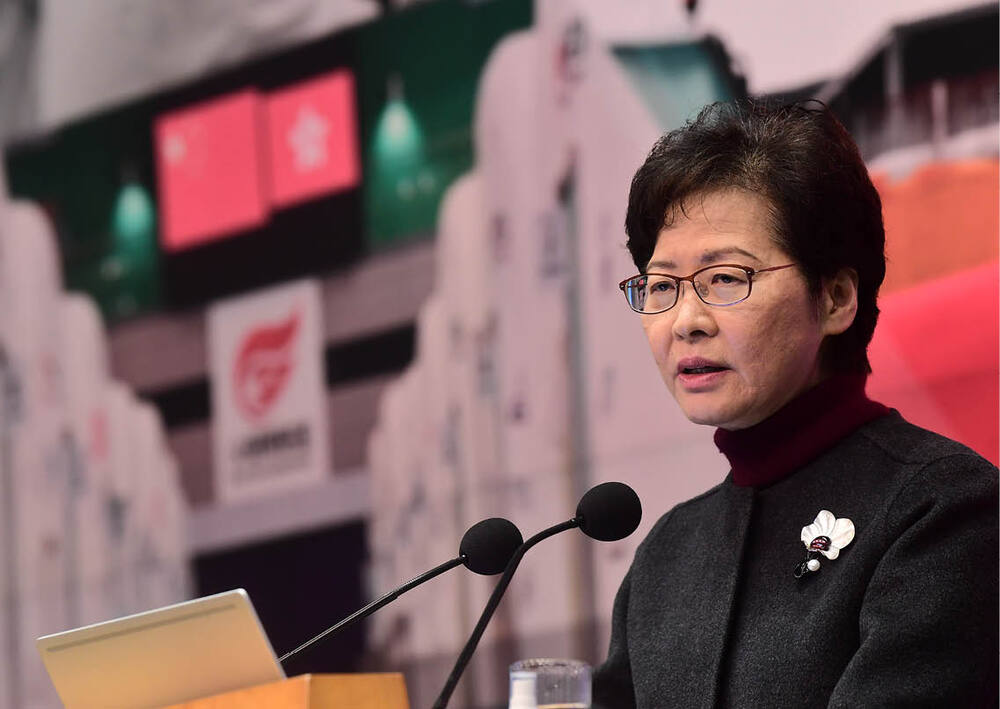
If, as reported, former Chief Executive Carrie Lam Cheng Yuet-ngor is going to miss out on a spot in the new lineup of the Chinese People's Political Consultative Conference, she will be the second SAR leader - after Donald Tsang Yam-kuen - to be omitted from the country's top advisory body.
ADVERTISEMENT
SCROLL TO CONTINUE WITH CONTENT
Both Lam and Tsang joined the colonial government as administrative officers. Apparently, Beijing has not yet placed its total trust in British-trained administrative officers even though they are highly effective in public administration.
The CPPCC standing committee began meeting on Sunday to decide, among other matters, who will be included in the new lineup.
Prior to the meeting, one of the talking points was what would happen to Lam.
In saying so, I'm not suggesting that there was an expectation for her to be included in the new CPPCC membership list so that she would be in line for promotion to follow in the footsteps of her predecessors Tung Chee-hwa and Leung Chung-ying to become one of the advisory body's vice chairpersons.
Rather, in the absence of such an expectation, whether or not she is appointed will still help to throw light on how the leaders in Beijing think about the former chief executive.
After all, the years under Lam were the most turbulent period since the 1997 handover.
Nonetheless, the partial list that has been reported so far is still revealing as far as Hong Kong is concerned.
The new list is expected to be announced in full today after the CPPCC standing committee concludes its three-day meeting.
If the reported names do make their way to appear in the official list, a number of precedents will be set which may be viewed as further evidence of Beijing updating its Hong Kong policy.
According to unwritten but well understood rules, office bearers may stay for a new term if they reach 67 when their current term ends. However, they would be considered too old for another term on reaching 68.
Also, officials may hold the same office for up to four terms at most.
A number of names reported by The Standard's sister newspaper Sing Tao Daily reveal that Beijing is willing to apply these rules flexibly when considering delegates from the SAR.
For example, West Kowloon Cultural District Authority chairman Henry Tang Ying-yen will likely remain as a CPPCC standing committee member even though he is 70.
Former World Health Organization director general Margaret Chan Fung Fu-chun, 75, Sino Group chairman Robert Ng Chee Siong, 70, and Far East Consortium International chairman David Chiu Tat-cheong, 68, are also included in the new list amid the expectation that they will get a place in the standing committee.
Their younger peer Victor Li Tzar-kuoi, chairman of the CK group of companies, is also expected to serve a further term in the standing committee although he has already held the position for four terms.
If the final list turns out as reported, there will be quite a few names from the local business sector too.
Could Beijing be sending the business community in Hong Kong an olive branch? It is more likely than not.
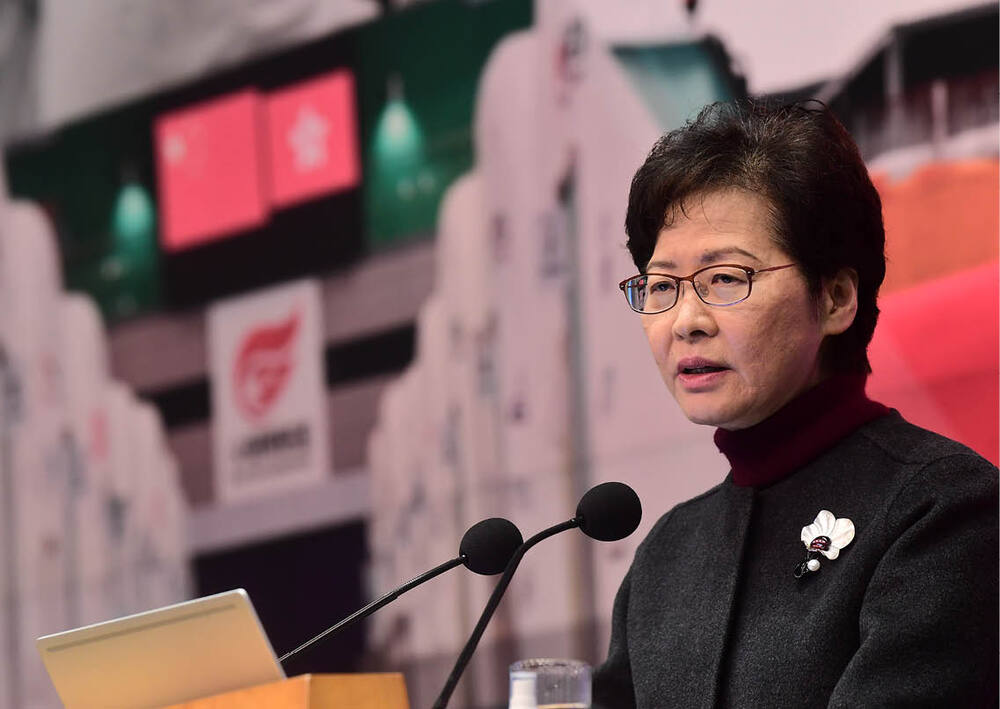
Carrie Lam