Read More












In a measured move to underpin economic stability, China’s central bank has adeptly cut rates on its structural monetary policy tools by 0.25 percentage points.
This targeted intervention, distinct from broad benchmark rate changes, is a timely lifeline specifically aimed at the nation’s persistently weak property market and global geopolitical uncertainty. By directing capital flows to this critical sector, the People’s Bank of China is addressing a key vulnerability without overheating the broader recovery.
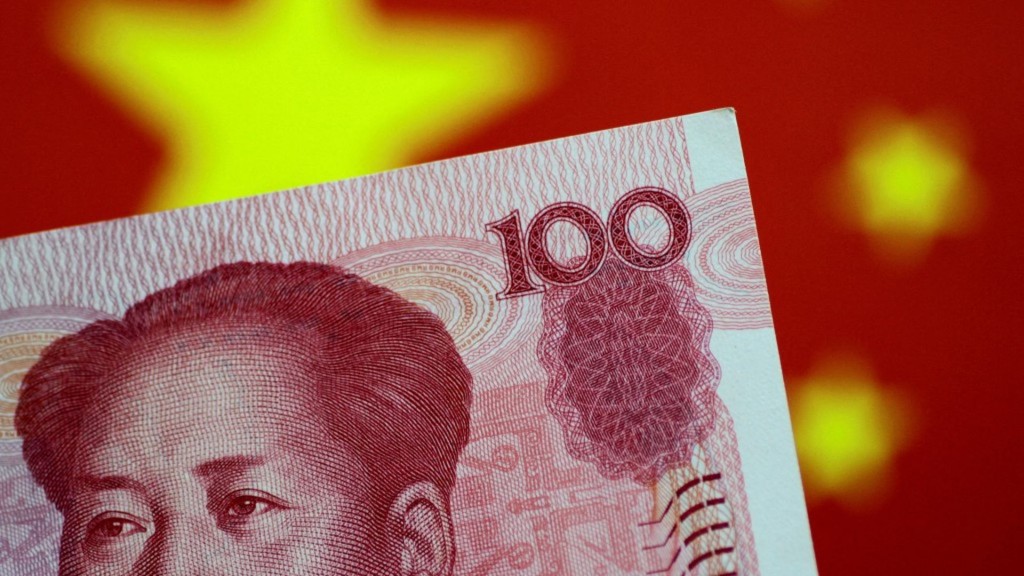
The decision’s effectiveness hinges on its timing. For years, fears of currency depreciation limited the PBOC’s easing options. However, the yuan’s recent strength against the US dollar has provided crucial policy space. It closed at a 32-month low yesterday, with US$1 (HK$7.8) buying 6.97 yuan. This resilience, despite ongoing trade tensions, allowed the central bank to act without triggering destabilizing capital outflows.
The move underscores a strategic pivot: utilizing currency stability to address domestic priorities.
While China’s economy shows signs of recovery, the property sector has lagged, acting as a drag on growth and consumer confidence. This targeted rate cut is designed to channel essential liquidity to developers and homeowners, helping to thaw credit and stabilize prices. Simultaneously, regulators are taking steps to prevent excessive speculation in other asset classes. A day before announcing the rate cut, the China Securities Regulatory Commission’s hike in the minimum margin ratio for leveraged stock purchases to 100 percent acts as a preemptive guardrail, ensuring that easier credit conditions support the real economy rather than fuel financial bubbles.
The PBOC’s action is backed by favorable macroeconomic conditions. A record trade surplus of nearly US$1.2 trillion (HK$9.36 trillion) in 2025 provides a substantial buffer, while a low December CPI inflation rate of 0.8 percent alleviates concerns that easing will fuel price surges. This creates significant room for further easing if needed.
However, structural challenges remain, particularly youth unemployment. Although slightly improved, the 16.9 percent rate for non-student youths in November highlights the urgent need for job creation in an era where artificial intelligence and automation are transforming the global labor market.
Ultimately, this targeted rate cut is a calibrated step in a broader campaign to secure sustainable growth.
The core objective is to spur domestic consumption and ward off deflation risks. By stabilizing the property market – a major store of household wealth – the PBOC aims to boost consumer confidence and spending power.
This precision tool usage reflects a sophisticated approach to monetary policy, one that balances sector-specific support with overall financial stability. As the global economy and politics remain uncertain, China appears focused on strengthening its internal drivers while navigating external uncertainties with a steady hand.