Read More
A criminal investigation into the Fed chair, coupled with explosive defense spending and a soaring debt burden, is accelerating global de-dollarization.
ADVERTISEMENT
SCROLL TO CONTINUE WITH CONTENT
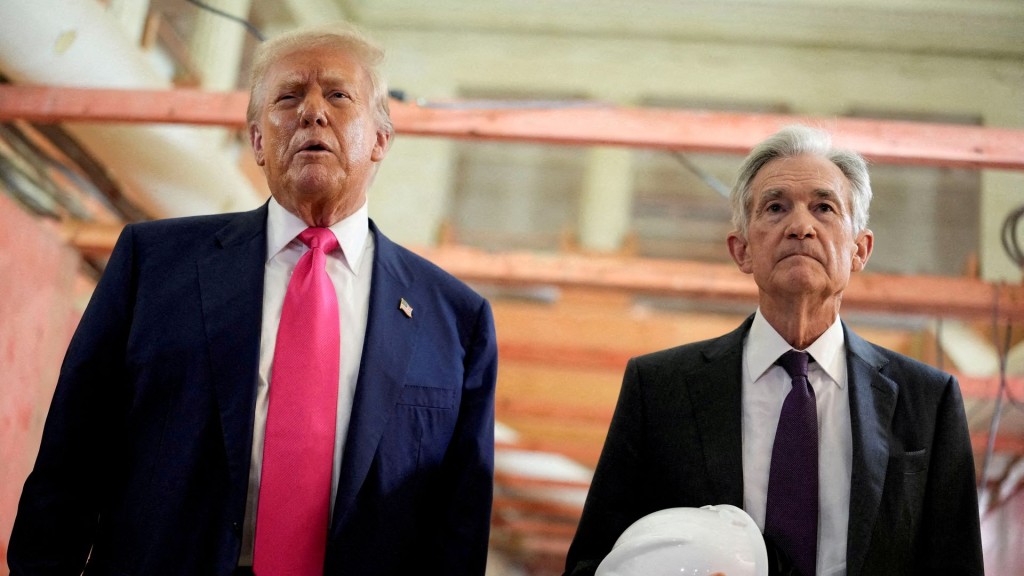
The foundations of the US dollar’s global dominance are facing unprecedented simultaneous shocks. The recent launch of a criminal investigation into Federal Reserve chair Jerome Powell by US federal prosecutors is more than a political bombshell; it is a direct assault on the perceived independence and stability of the world’s most important central bank.
The perfect storm of distrust
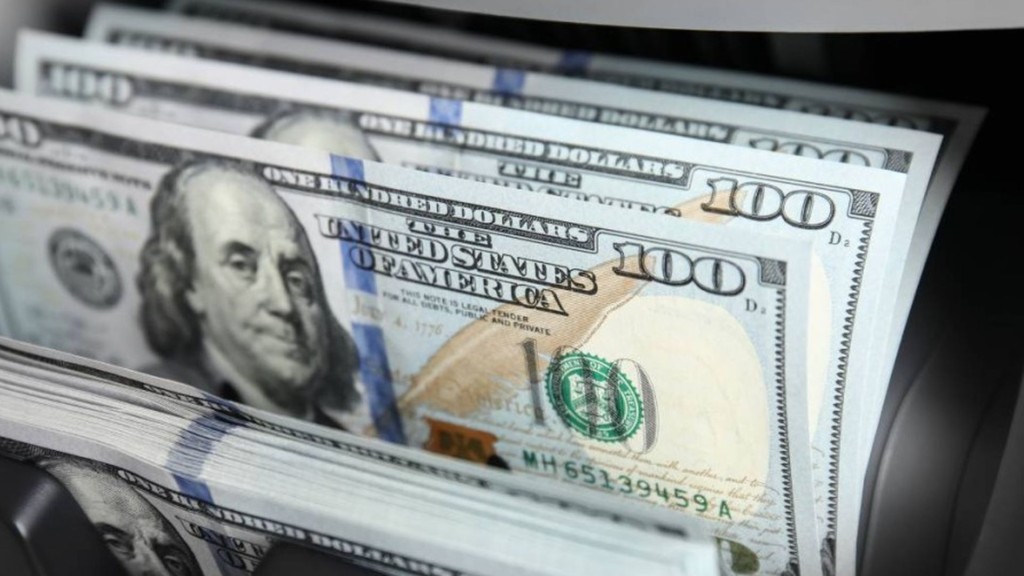
The immediate weakening of the dollar and Treasury bonds reveals deep-seated market anxiety. This event is not an isolated crisis but a catalyst exacerbating a dangerous pre-existing condition for dollar assets. Indeed, the greenback was already under severe pressure in 2025, weakened by 9 percent due to a sustained trend of de-dollarization.
This trend is fueled by geopolitical fissures from tariff wars and profound concern over the unsustainable US fiscal deficit, which now stands at a staggering US$38 trillion (HK$296.4 trillion). The math is terrifying: each American effectively bears US$112,000 in debt, with daily interest payments exceeding US$2.6 billion.
In this climate, major creditors like China have been steadily retreating, their holdings of US Treasuries at a 17-year low of US$688.7 billion.
Funding aggression with borrowed money
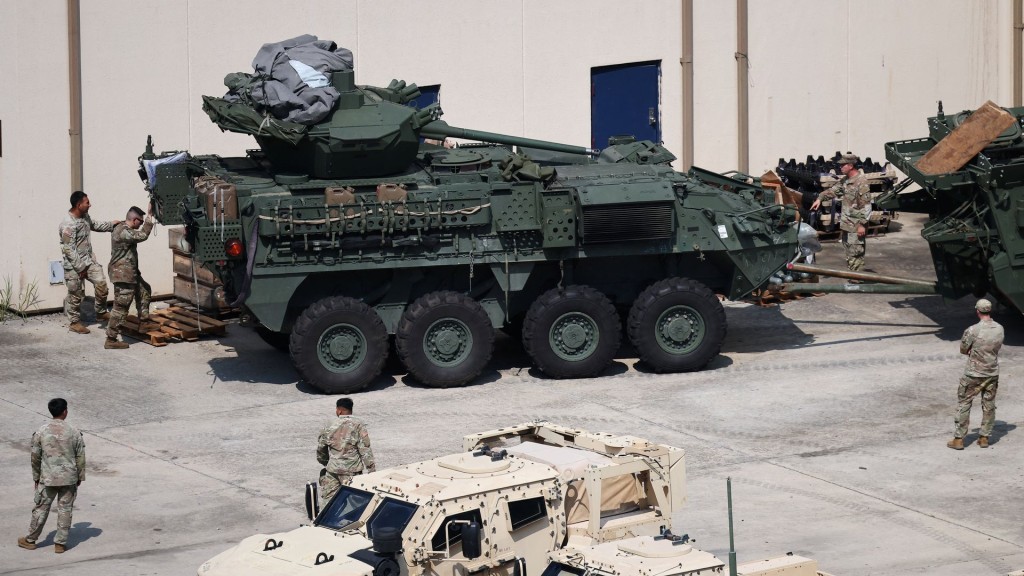
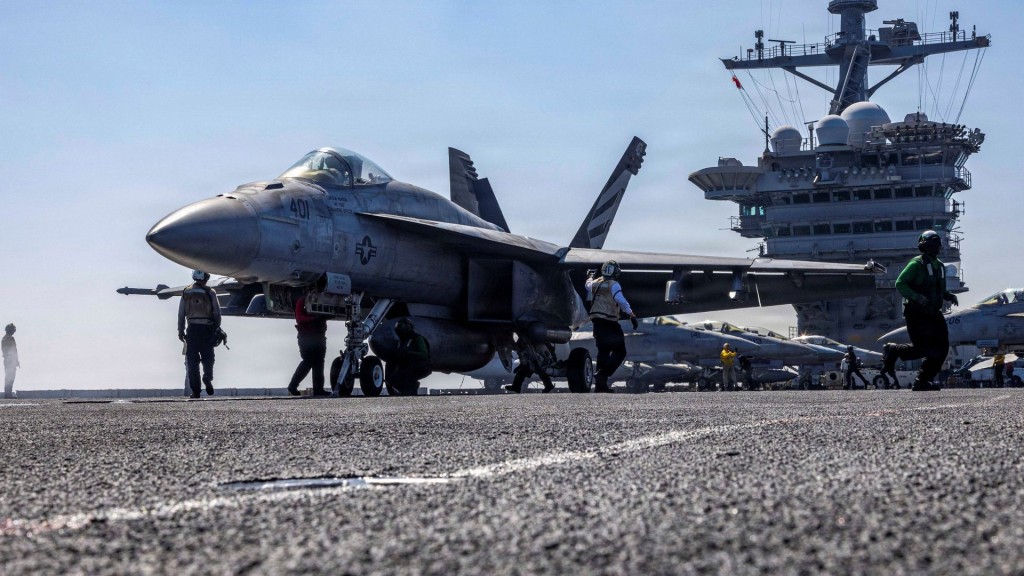
Alarmingly, Washington’s response to this fragility is to double down on fiscal adventurism. US President Donald Trump’s proposal to hike the defense budget by over 50 percent to US$1.5 trillion – likely funded by tariffs, taxes, and borrowing – signals a perilous priority.
The United States is planning operations from Iran to Greenland, creating a stark and ridiculous paradox: foreign nations are implicitly asked to fund, through Treasury purchases, the very military aggression that may threaten their own interests or alliances. This reality is not lost on global central banks and finance ministers.
The inevitable accelerant
The Powell investigation introduces a volatile element of domestic political risk into the heart of the US financial system. When combined with reckless fiscal policy, it forms a toxic recipe that erodes the twin pillars of dollar demand: trust and stability.
Short-lived rallies driven by geopolitical fear, like the capture of Venezuela’s President Nicolas Maduro, are mere spikes in a downward trend.
In a nutshell, the probe of Powell is a trigger, but the tinder is America’s own debt and defense dogma.
This series of operations – legal, fiscal, and military – constitutes a self-inflicted wound that will hasten the decline of dollar hegemony.
The world is preparing for a multipolar currency landscape, and America’s policies are ensuring it arrives sooner rather than later.