Read More
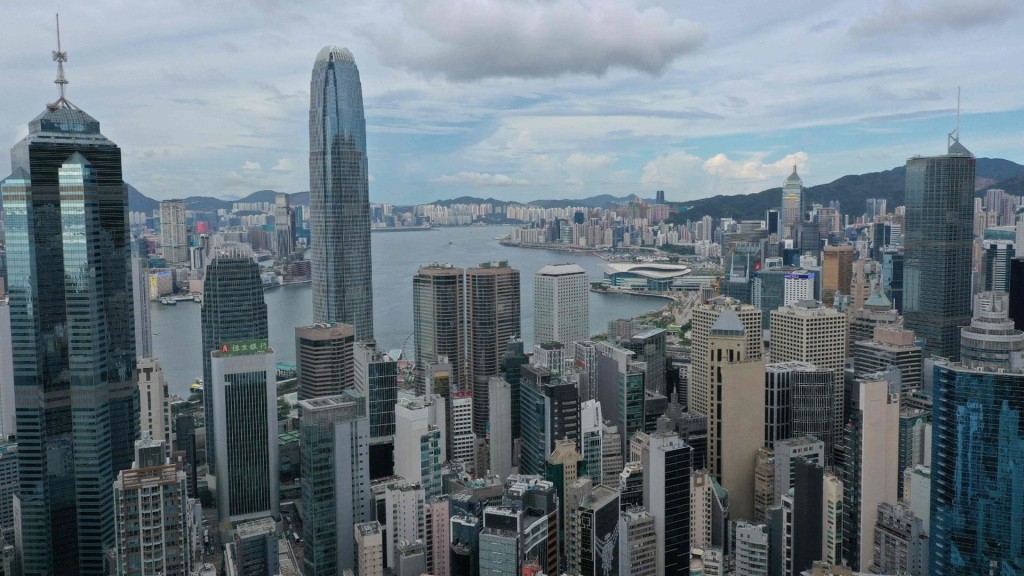
Hong Kong residents wake up to the new year and face a sobering reality: the cost of living in this already expensive city is about to become significantly more burdensome. A sweeping wave of price hikes across public services – from healthcare to driving to education – has taken effect, placing fresh strain on household budgets already stretched thin.
ADVERTISEMENT
SCROLL TO CONTINUE WITH CONTENT
Healthcare costs double overnight
The most dramatic changes come in the healthcare sector. Patients seeking treatment at Accident and Emergency departments at public hospitals will now pay HK$400 per visit for non-critical cases – more than double the HK$180 fee that stood unchanged since 2017. Only those triaged as “critical” and “emergency” receive fee exemptions.
Inpatient charges for acute general beds have jumped to HK$300, while a new co-payment model forces patients to pay between HK$50 and HK$500 for complicated pathology work and non-urgent imaging tests. For families already managing chronic illnesses or elderly care, these cumulative costs represent a genuine hardship.
To soften the blow, the government has introduced some protective measures: a new annual medical expense cap of HK$10,000 per eligible person will benefit an estimated 70,000 patients with chronic conditions, and an expanded medical fee waiver scheme will now cover 1.4 million people.
These are welcome steps, but they expose a glaring gap. For middle-class families who don’t qualify for waivers but struggle with rising costs, these reforms offer little comfort.
Traffic penalties add to the burden
Car owners are also feeling the pinch. The fixed penalty for illegal parking has risen from HK$320 to HK$400, while penalties for 19 traffic offences have been adjusted from a range of HK$320-HK$1,000 to HK$480-HK$1,500.
Critics note that the real issue is a severe shortage of parking spaces, not inadequate fines. Many drivers have no choice but to park illegally when conducting business or making brief stops. While 15,000 parking spaces have been added over the past three years, demand continues to outstrip supply.
Even education has not been spared. The Hong Kong Diploma of Secondary Education Examination fees increased by approximately four percent this year, with language subjects rising by HK$30 each and other subjects by HK$20. For families with multiple children preparing for these critical exams, every dollar counts.
A call for balanced policy
The government faces legitimate fiscal pressures. With an ageing population placing ever-greater demands on public services and projected budget challenges ahead, some adjustments are understandable. But the question is not simply whether costs must rise – it is who bears the burden and whether relief measures keep pace with the increases.
The middle class bears a disproportionate share of these hikes. They earn too much to qualify for expanded waivers and assistance schemes, but not enough to absorb mounting costs without real financial strain.
The government must do more. Targeted relief measures for middle-income households, whether through tax adjustments, transport subsidies, or education support, are not luxuries but necessities.
Fiscal sustainability and social equity are not mutually exclusive goals. A responsible government balances both, ensuring that necessary services remain accessible while costs are distributed fairly across all income levels.