Read More

Widespread fraud taints Thailand's civil service exams
25-08-2026 06:12 HKT





Law Society proposes allowing solicitors to be appointed Senior Counsel
21-09-2026 01:56 HKT


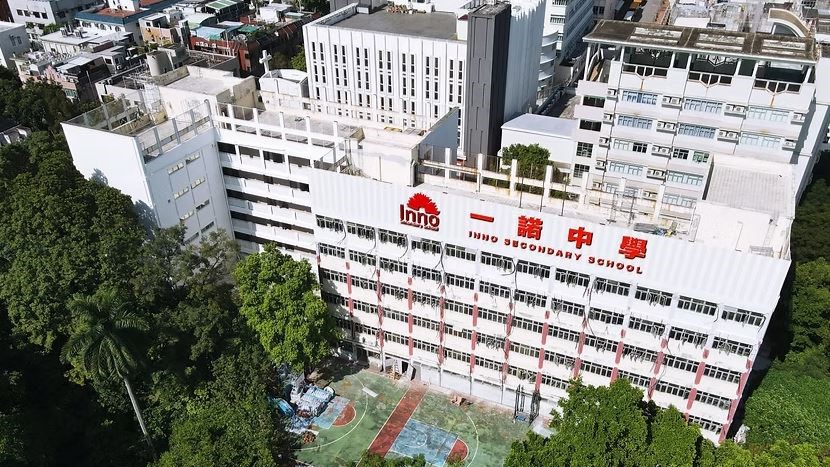
Hong Kong has long been recognized for its integrity, efficiency and strong rule of law, qualities that established its reputation as a global financial hub and a trusted gateway between China and the world. Yet, recent incidents of fraud and misconduct, including cases of water supply falsification, shell schools and illegal ride-hailing services – many involving mainlanders – have raised concerns about the city’s credibility.
While the government’s swift response reflects robust governance, the reputational damage underscores a deeper challenge: how can Hong Kong integrate with the mainland without compromising the integrity that defines its brand?
Hong Kong’s economic success – spanning finance, trade, professional services, retail, and tourism – rests on a foundation of trust and transparency. This hard-won reputation differentiates the city from competitors.
However, recent reports of fraudulent academic credentials used in talent schemes and fake schools exploiting loopholes expose vulnerabilities.
Such misconduct is not unique to Hong Kong, but in a city where credibility is central to its identity, they are particularly damaging.
Comparisons with the mainland’s historical struggles with counterfeit goods and corruption – though much improved in recent years – only intensify concerns.
If Hong Kong’s reputation for reliability and clean governance slips, it risks losing the very qualities that attract foreign investors, global businesses, and international talent.

The government’s rapid response to the water supply fraud case, in which mainland contractors allegedly falsified records, demonstrates a commitment to accountability.
Yet, reputational harm is harder to repair. In today’s hyper-connected world, news of fraud spreads fast, and once trust is undermined, rebuilding confidence takes years.
As Hong Kong deepens integration with the mainland, challenges are inevitable. The key is to balance closer ties without diluting the international standards that make Hong Kong indispensable to China’s development.
While the mainland has made strides in tackling corruption and low-quality goods, Hong Kong’s role is unique: it is the benchmark of global trustworthiness. If its standards are compromised, its strategic value to China and the world diminishes.
To protect its brand of integrity, Hong Kong must adopt a zero-tolerance approach. It must strengthen regulatory oversight across sectors, tighten vetting processes for investment and talent admission schemes, impose harsh penalties for fraud and misconduct, and promote public awareness campaigns to reinforce ethical standards. By doing so, Hong Kong can send a clear message that trust and integrity are non-negotiable.
Hong Kong’s reputation is a national strategic resource and as China continues to globalize, Hong Kong’s role as a trusted international intermediary is critical.
The city cannot afford to let short-term scandals undermine decades of credibility.