In today’s knowledge-driven economy, cities and nations worldwide are locked in fierce competition to attract and retain top talent. Hong Kong and mainland China are no exception.
However, the current discourse has been narrowly focused on mainlanders relocating to Hong Kong – many of whom eventually leave – while critics question whether some are more interested in the city’s welfare benefits than long-term contributions.
This inward-looking debate risks becoming another unproductive depletion rather than a forward-looking strategy for global talent acquisition.
The talent retention challenge
Hong Kong’s Top Talent Pass Scheme, launched to attract high-income professionals and elite graduates, has yielded mixed results. Government figures reveal that only 54 percent of applicants renewed their visas, with a median income of HK$40,000.
However, the A-Class applicants (those earning more than HK$2.5 million annually) had a 77 percent renewal rate, suggesting that only top-tier talent finds Hong Kong viable.
Meanwhile, China has introduced a new K visa for young foreign tech professionals, signaling a shift toward global, not just domestic, talent recruitment.
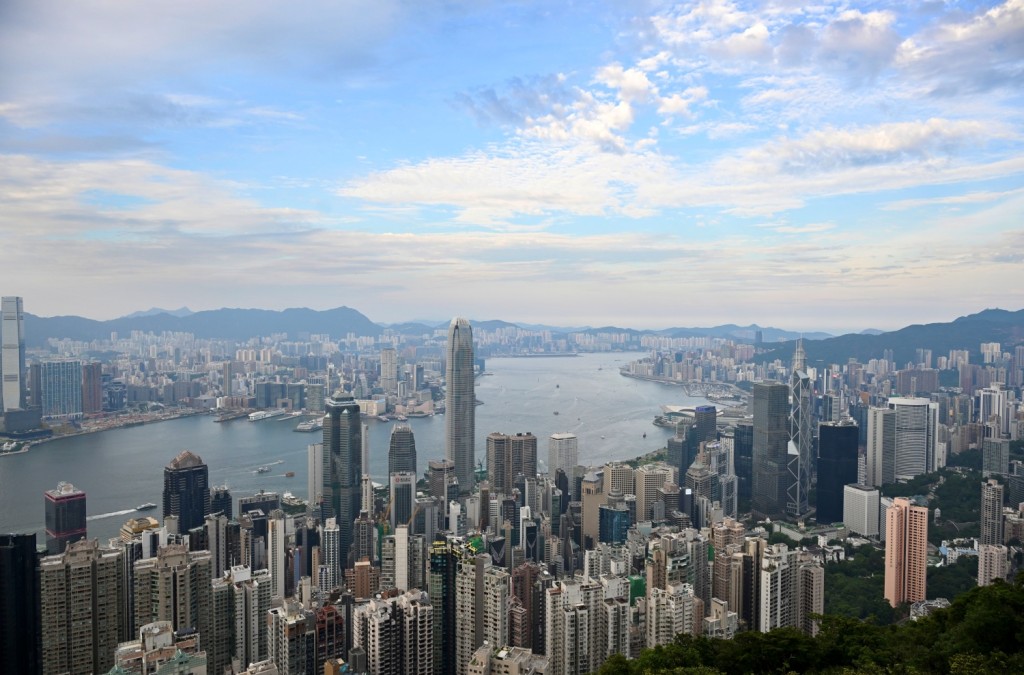
Global metropolises like Hong Kong, New York, and London are notoriously challenging for newcomers. High living costs, relentless work culture, language barriers, and stagnant mid-tier salaries make it difficult for middle-class professionals to thrive.
So, should Hong Kong and the mainland compete for each other’s talent, or collaborate to attract international professionals?
Why Hong Kong needs a global strategy
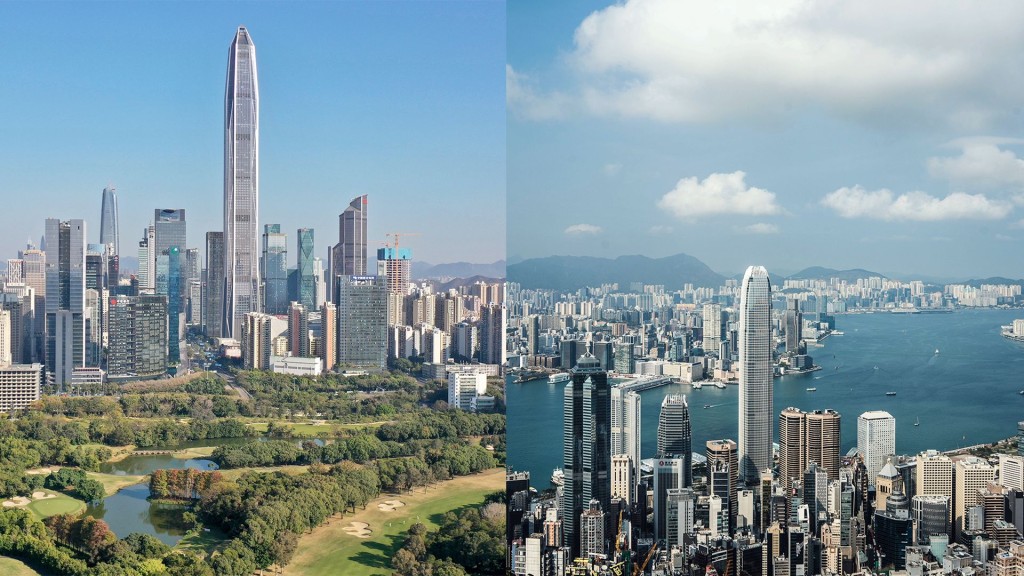
While attracting mainlanders offers short-term gains, Hong Kong, and China as a whole, must think bigger. The city’s strengths – global financial hub, rule of law, international connectivity – differ from the mainland’s cutting-edge tech, vast market, and state-backed R&D. Instead of competing, the two should complement each other to lure overseas talent.
Already, high-profile figures, from pianists Li Yundi and Lang Lang to actors Zhang Ziyi and Tang Wei, have obtained Hong Kong residency. Even international stars like snooker legend Ronnie O’Sullivan and ex-NBA player Stephon Marbury have ties to the city. Yet heavyweight scientists, tech innovators, and cultural leaders remain underrepresented.
Rather than treating talent acquisition as a zero-sum game, Hong Kong and the mainland should leverage their synergies. Hong Kong could be the entry point, offering global talent an international lifestyle, financial opportunities, and seamless access to the mainland. And the mainland could be the growth engine, with cutting-edge labs, start-ups and scale-up potential in hubs like Shenzhen and Shanghai.
Greater China could be promoted as a two-stage destination:
● Stage 1 – Hong Kong as a transition hub for expats adapting to Asia.
● Stage 2 – Mainland career growth in tech, research or entrepreneurship.
By combining Hong Kong’s global appeal with the mainland’s innovation ecosystem, they can transform talent acquisition into a win-win.