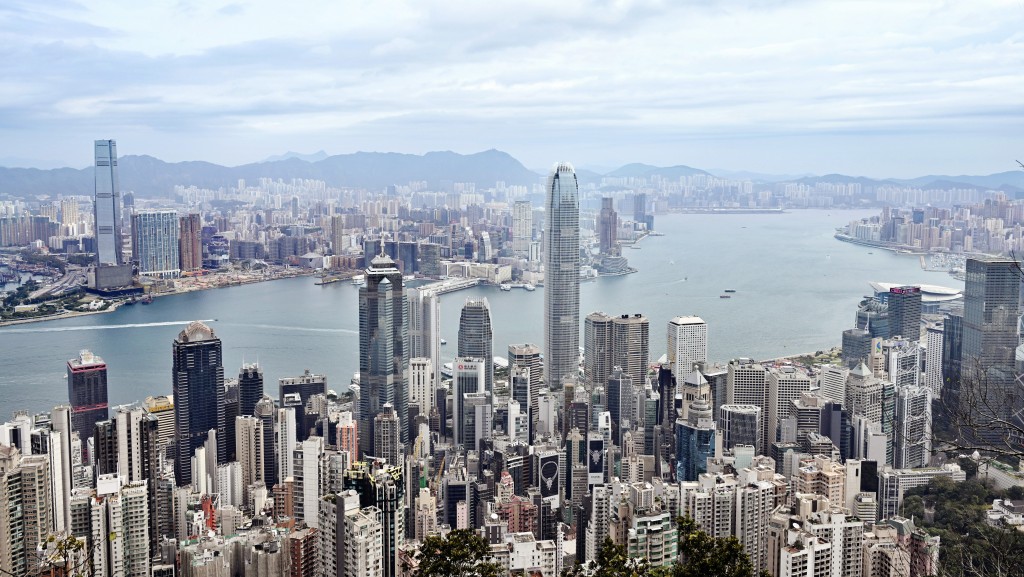
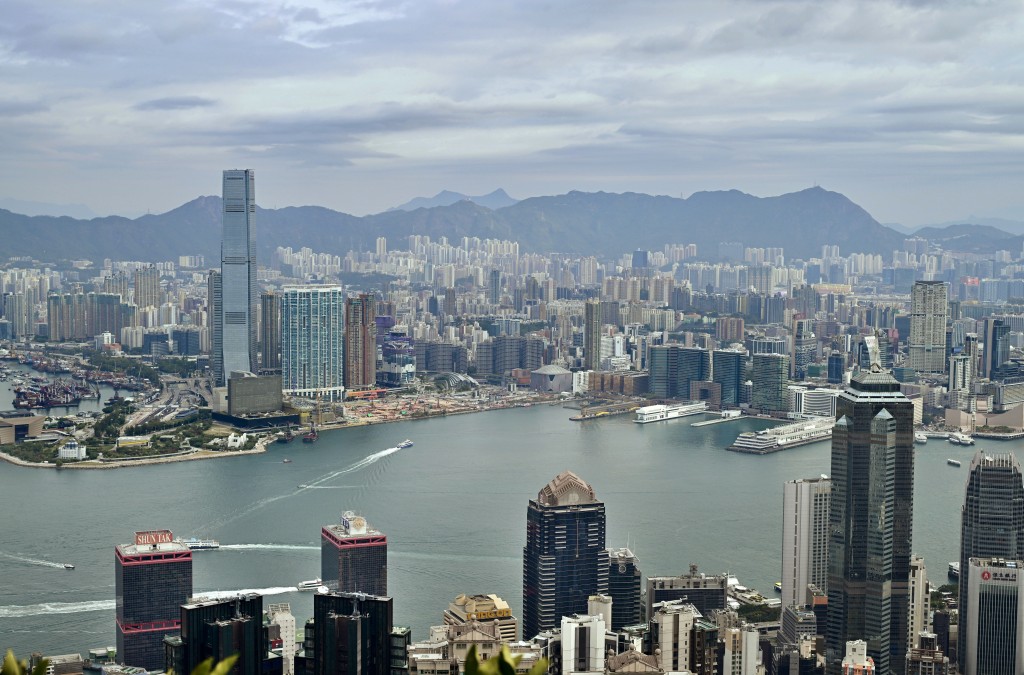
Hong Kong should actively promote intellectual property (IP) investment to drive economic development and leverage its unique strengths to support industrial production across the Greater Bay Area (GBA) and ASEAN regions, while maintaining its distinct institutional advantages over mainland cities, an economics professor said on Sunday.
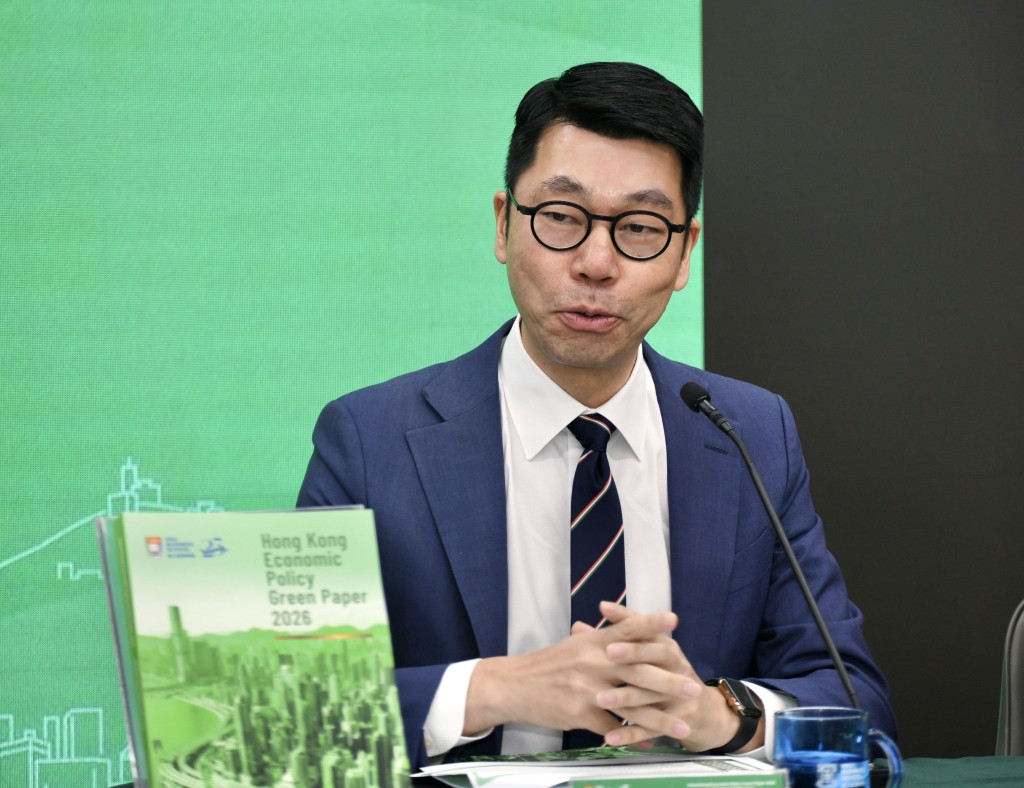
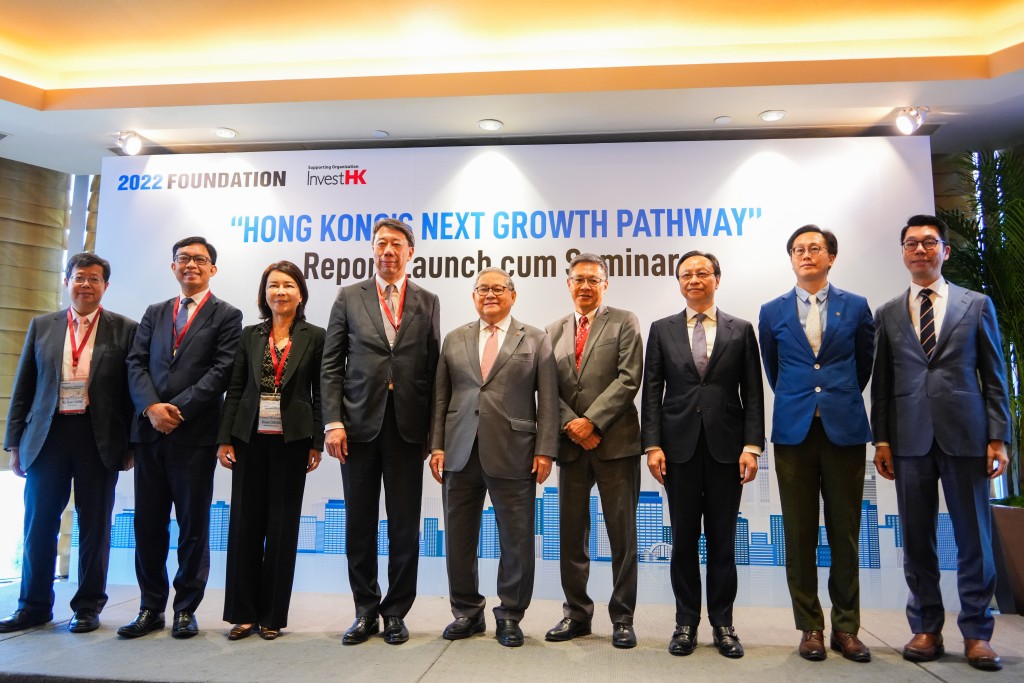
Tang Hei-wai, associate vice-president of the University of Hong Kong (HKU) Business School, made the remarks following a recent report titled Hong Kong’s Next Growth Pathway published by a local think tank, the 22 Foundation.
The report highlighted that amid rapid technological transformation, escalating geopolitical tensions and global supply chain restructuring, Hong Kong must evolve beyond its traditional role as a “super connector” to become a “super value-adder.”
Speaking on a radio program, Tang noted that Hong Kong—as an international metropolis and a hub for professional services and finance—can empower regional economic development through its financial capabilities to foster sticky business activities.
He stressed that the city’s financial role should not be limited to supporting corporate initial public offerings (IPOs). Instead, Hong Kong should attract enterprises to set up regional headquarters, pay taxes and recruit local talent, thereby retaining economic benefits within the city to drive industrial transformation and create high-quality employment opportunities for young people.
Tang added that the city should promote IP investment, injecting financial capital to stimulate economic growth. In terms of supply chain positioning, he argued that Hong Kong is not suited for midstream mass manufacturing, but can capitalize on its strengths to develop upstream and downstream industrial segments, including research and development (R&D), design, financing, international branding, and patent standard certification. These professional services can effectively underpin industrial production in the GBA and ASEAN markets.
As mainland small and medium enterprises expand overseas, Tang suggested transforming Hong Kong into a global talent hub. By assembling experts from India, Indonesia, and the Global South, the city can provide consultants well-versed in local regulations and cultures, helping mainland firms mitigate the risks of going global.
On GBA integration, Tang noted that current efforts have primarily boosted cross-border tourism and retail spending rather than driving Hong Kong’s economic transition.
To help Hong Kong’s professional services fully penetrate the GBA market, he urged the promotion of data sharing. Leveraging technologies such as blockchain can enable secure and orderly cross-border data flow within the GBA, allowing Hong Kong’s banking, insurance and professional services to efficiently cover the entire region and achieve mutually beneficial coordinated development.
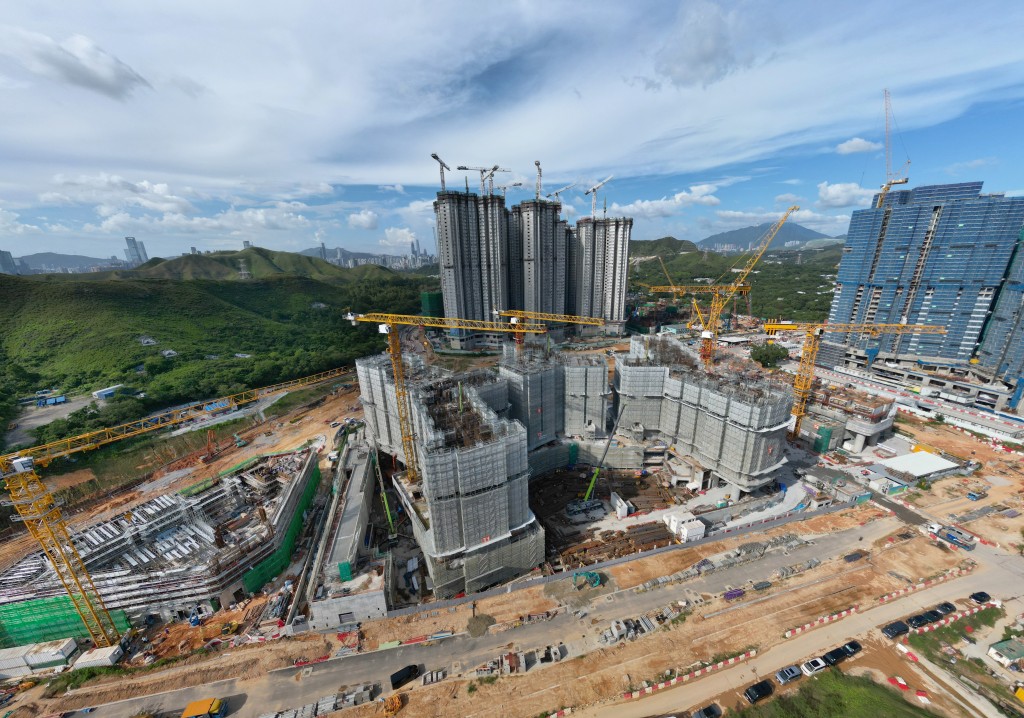
In addition, Tang described the Northern Metropolis as Hong Kong’s future economic engine, urging the government to use its land to build an education and R&D hub that attracts local, mainland, and Western universities. However, he stressed that urban planning must prioritize establishing industries and tech firms to create real demand before developing real estate.
He also stressed that Hong Kong must preserve its distinct institutional advantages under the “One Country, Two Systems” framework, including its common law system and free capital flow. Rather than assimilating into another Shenzhen or Dongguan, the city must retain its unique identity to help the country navigate global challenges.