Hong Kong's second-quarter economic growth was estimated to increase 3.1 percent from one year ago, beating market estimates, as exports and private consumption recovered.
However, the government flagged the uncertainties surrounding rate cuts by the United States and the expected fading of exports after the tariff pause in the second half of the year.
Gross domestic product growth for the April-June period outpaced the first quarter's 3 percent rise, reaching above the estimated 2.8 percent.
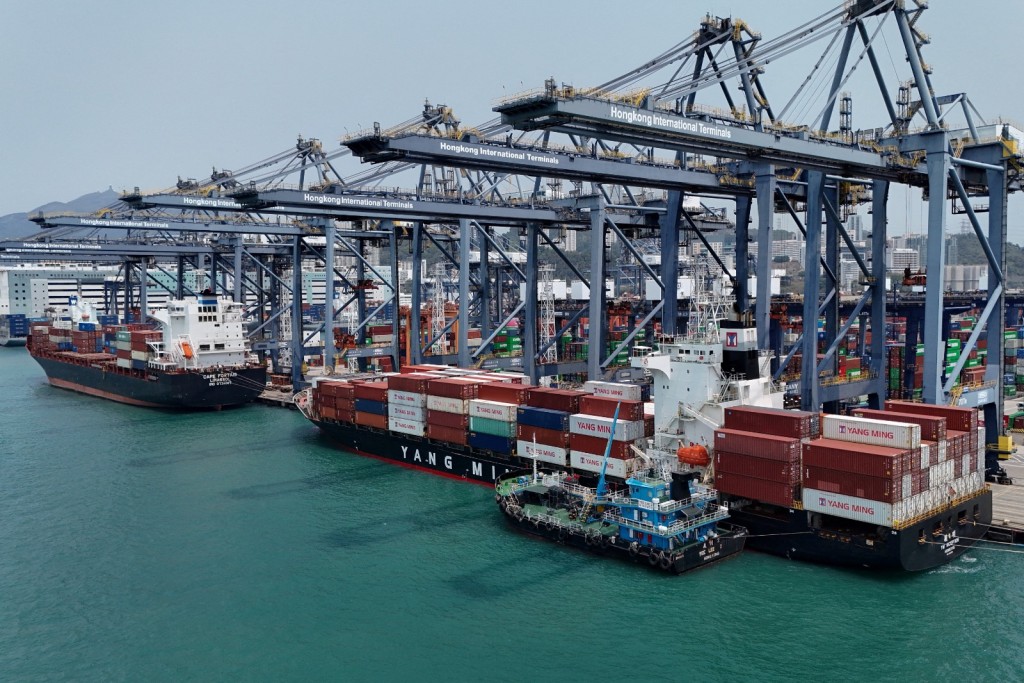
On a seasonally adjusted basis, GDP increased by 0.4 percent quarter-on-quarter. Private consumption expenditure rose 1.9 percent in real terms, recovering from a 1.2 percent decline three months prior. Driven by stockpiling during the trade war truce, Hong Kong's exports of goods surged 11.5 percent year-on-year, up from 8.4 percent in the first quarter, while exported services grew 7.5 percent in the second quarter.
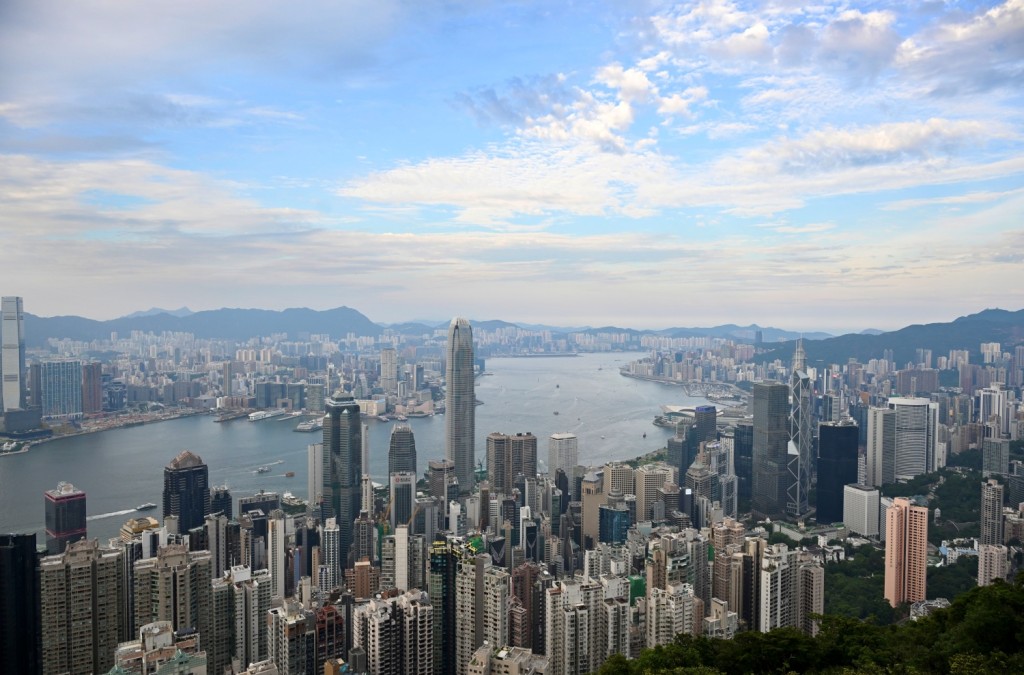
A government spokesman highlighted that Hong Kong's economy demonstrated "remarkable resilience" in the first half of the year. The government anticipates steady growth in Asia and believes its measures will support the local economy.
However, external headwinds persist, including renewed US tariff hikes and uncertainty around interest rate cuts, which may impact investment sentiment. Additionally, the fading stockpiling demand from foreign merchants during the trade war truce is expected to affect exports later this year.
Meanwhile, the government recorded a deficit of HK$93.9 billion in the first three months of the current fiscal year ending in March 2026, after taking the issuance and repayment of government bonds into account. The figure is nearly 22 percent lower than the same period one year ago, thanks to the proceeds of HK$45 billion from government bond issuance.
Excluding government bonds, Hong Kong's deficits from April to June totaled HK$112 billion, consistent with the previous year. The government estimated a full-year deficit of HK$67 billion, including bonds. This deficit was attributed to major revenue sources, such as salaries and profits taxes, being received mainly at the end of the financial year. By the end of June, fiscal reserves had decreased to HK$560 billion.
STAFF REPORTER