Hong Kong’s timely introduction of a way for companies to redomicile in the city allows it to ride on the back of robust initial public offerings and a strong stock market.
Providing an efficient and attractive solution for businesses looking to establish a presence in Asia’s financial powerhouse, the new mechanism allows corporations to relocate to Hong Kong in as little as two weeks.
This solidifies the city’s competitive edge over regional rival Singapore.
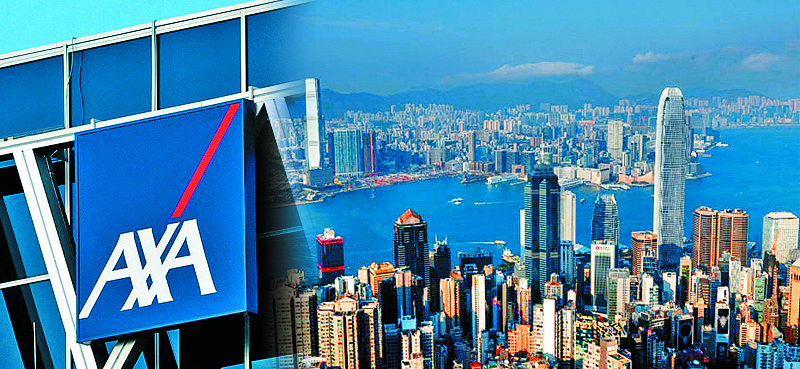
French insurance giant AXA has swiftly applied to redomicile its Hong Kong and Macau businesses from Bermuda to the city, reflecting undeniable corporate interest in leveraging Hong Kong’s favorable business environment.
The mechanism also offers companies floating shares in Hong Kong an option to domicile in the city.
Hong Kong beats Singapore for capital
Hong Kong and Singapore are often compared as business-friendly hubs but when it comes to capital markets, Hong Kong outshines Singapore by a significant margin.
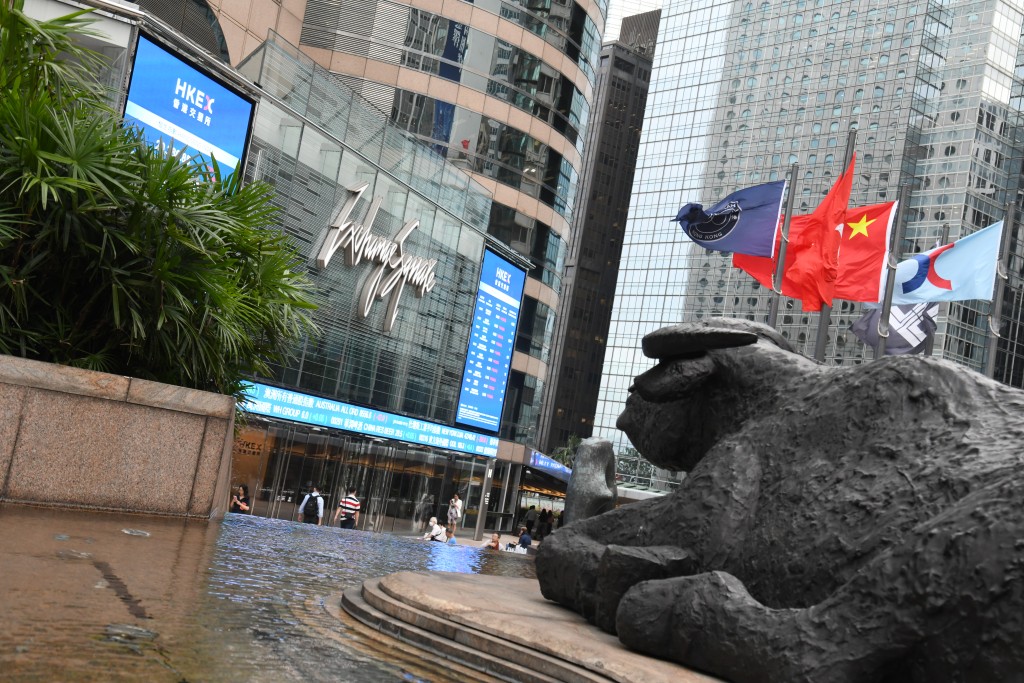
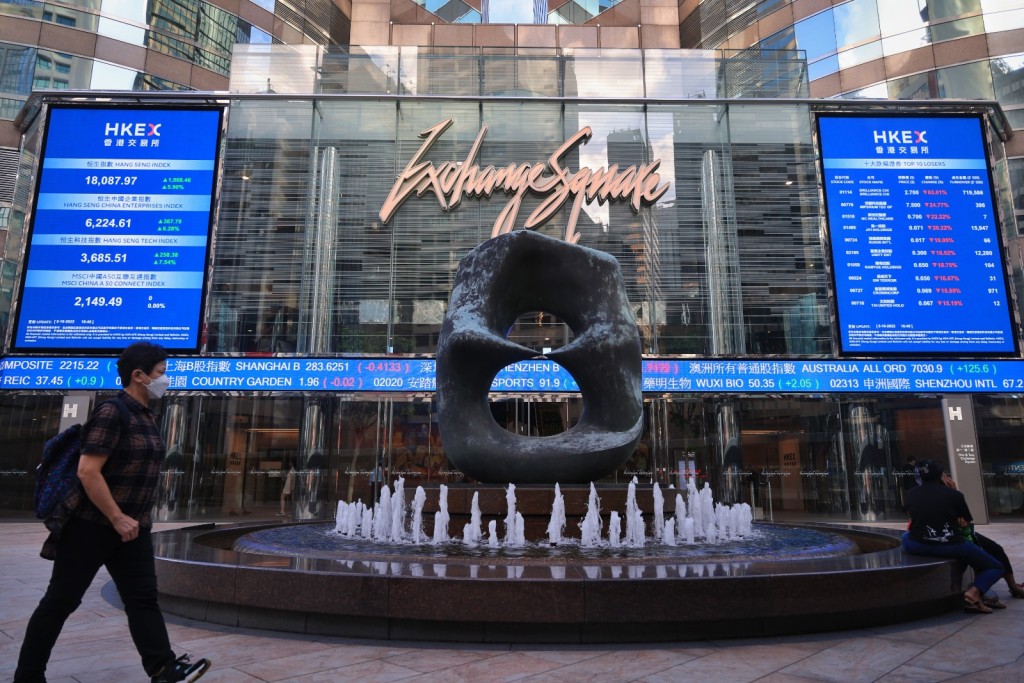
In less than half a year, new listings in Hong Kong have raised HK$76 billion – 90 percent of the total raised in all of the previous year.
So far this year, Hong Kong has hosted 71 new listings compared to just four in Singapore.
Notably, Singaporean biotech startup Mirxes chose Hong Kong for its trading debut.
While some Hong Kong and mainland Chinese companies are exploring listings in Singapore to diversify their presence, the numbers overwhelmingly favor Hong Kong as the city’s stock market’s capitalization is almost five-and-a-half times greater than that of Singapore’s.
Simple tax structure
Both Hong Kong and Singapore are known for operating under common law systems and offering competitive tax rates. Hong Kong’s profit tax stands at 16.5 percent, slightly lower than Singapore’s 17 percent.
However, Hong Kong’s simplified tax structure sets it apart: it has no value-added tax or goods and services tax, while Singapore imposes an 9 percent goods and services tax. Additionally, Hong Kong only taxes income sourced within its jurisdiction, whereas Singapore may exempt foreign-sourced income under specific conditions.
Hong Kong offers unparalleled access to mainland China, the world’s second-largest economy, while Singapore provides a gateway to emerging Asean markets.
Amid global trade tensions, Hong Kong’s role as a free port and its unrestricted capital flow is more critical than ever, encouraging companies to increase their trade with Hong Kong.
Moreover, capital inflows continue to strengthen Hong Kong’s position. The aggregate balance of the banking system has nearly quadrupled, leading to a significant drop in the one-month Hong Kong interbank borrowing rate from 3.65 percent in April to just 0.96 percent today.
This influx of activities will bring significant opportunities to the city’s professional services sector. However, ensuring sufficient manpower to support this growth will be crucial.
Despite being part of China, Hong Kong retains its distinct identity as a member of the World Trade Organization in its own right. This, coupled with its free-market policies, positions Hong Kong as a unique and irreplaceable global city.
Claims that “Hong Kong is over” are increasingly baseless and fail to recognize the city’s resilience in the face of challenges. As Hong Kong continues to attract businesses, capital and talent, it must strengthen its role as a leading financial hub and make itself a vital player in the global economy by ensuring its strategic advantages, robust market infrastructure, and global connectivity.