Read More

Indestructible: why Infantino will survive the firestorm
10-07-2026 04:47 HKT







Veteran HK film art director Robert Loh missing in Poland for 5 days
09-07-2026 01:14 HKT

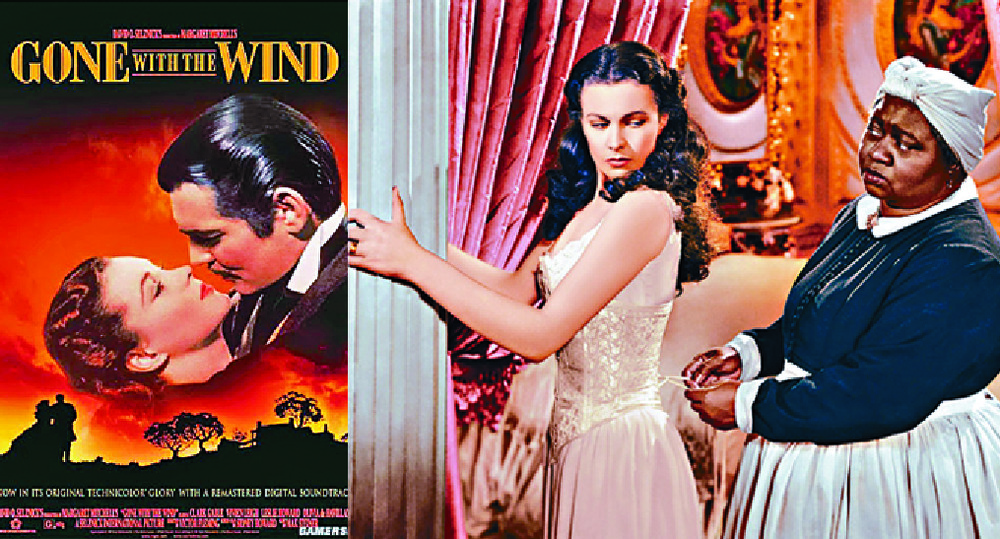
This classic movie was removed from streaming service HBO Max amid protests over the death of African American George Floyd.
Ethnic and racial issues have always been a tinder box, not only for the US but also for Britain. Floyd's death was just a match to the powder barrel.
But removing Gone with the Wind is not a remedy. HBO Max said the film was a product of its time and depicted "ethnic and racial prejudices [that] were wrong then and are wrong today."
It promised the film will be returned to the platform but with a discussion of its historical context. HBO Max is clearly being politically correct during a hugely sensitive time.In the more than 80 years since the film was first screened, it has often been criticized for sensationalizing and glorifying a dark chapter in American history.
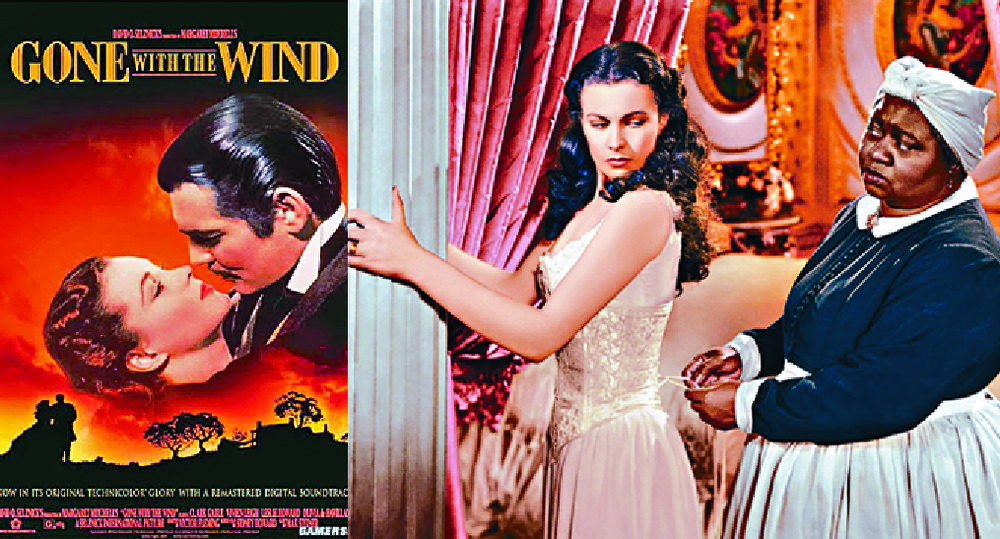
Such criticisms contain some truth. But others do not see it that way, viewing the book and the movie it was based on as great pieces of literature set across the final phase of the American Civil War.One of its themes involved spoiled white woman Scarlett O'Hara and her friendship with her servant, Mammy.
The movie won 10 Oscars in 1940. They included Best Supporting Role for actress Hattie McDaniel, who played Mammy - making her the first black American to be so honored.Competing views about Gone with the Wind are fine as long as discussions are open and thorough, thereby helping to chart the way forward.
Slavery is a dark chapter of American history. But the question is not whether it should be erased totally from the records - but how people understand it and learn from it.Pretending that something never happened will not help us learn to live with, and understand, our past - and avoid similar mistakes in the future.
Indeed, there are plenty of examples around the world. The history of the UK city of Bristol was closely tied to the slave trade. At the peak of a recent protest, a statue of one of the city's main slave traders, Edward Colston, was dumped into the river by angry protesters. But the fact remains that, even after the statue was unceremoniously dumped, the slave trade was still an important part of British history.In a low-profile operation, Bristol City Council pulled the statue from the river and will relocate it to a more appropriate place - a museum.
In Austria, citizens argued for some time over what to do with a building where Nazi leader Adolf Hitler was born. Should it be demolished to erase the memory - or retained to remind people of the horrific past? Last year, it was transformed into a police station.In the digital age, it is far too easy to empty the memory by pressing a button.
But this can be just as horrible as burning books and statues during China's Qin Dynasty and Cultural Revolution.