Read More

Local players advance as PPA Asia Hong Kong Slam gets underway
20-10-2026 11:20 HKT
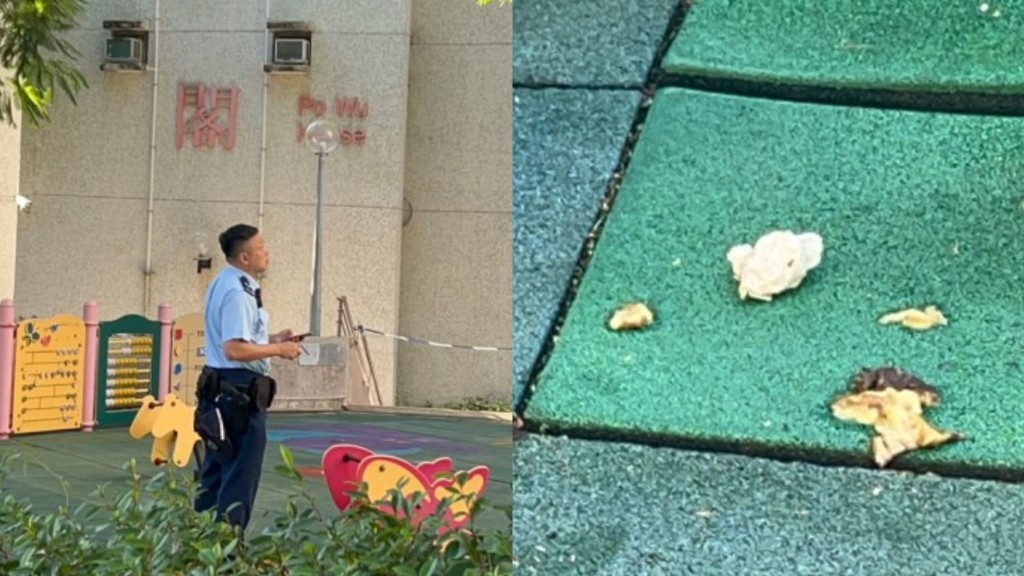
Woman injured by falling banana in Kwun Tong
23 hours ago

Screen glitches and cracked displays plague Apple's iPhone Duo launch
24-10-2026 18:45 HKT


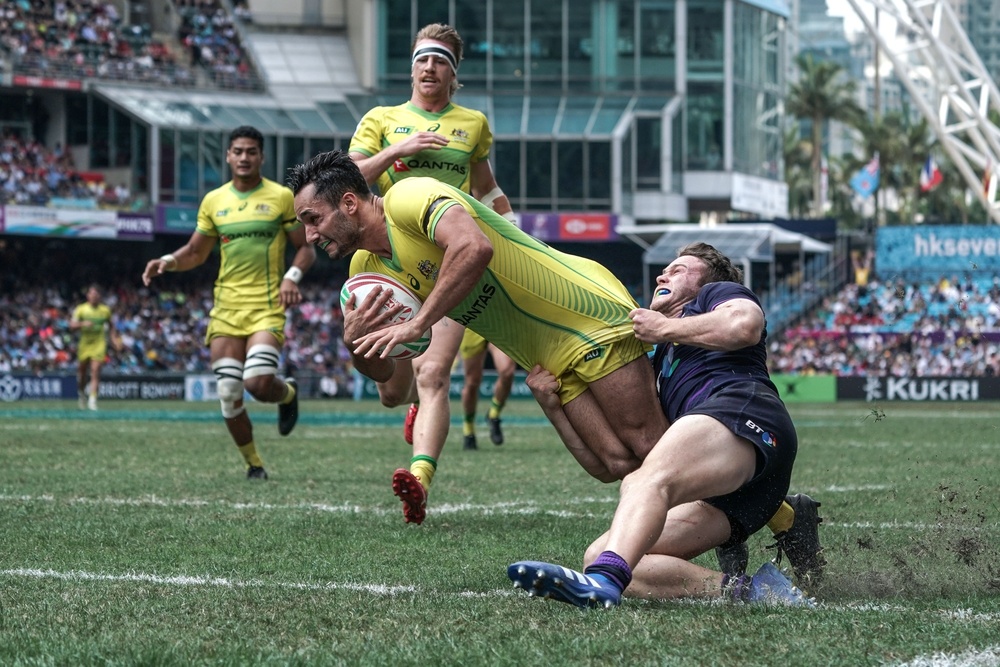
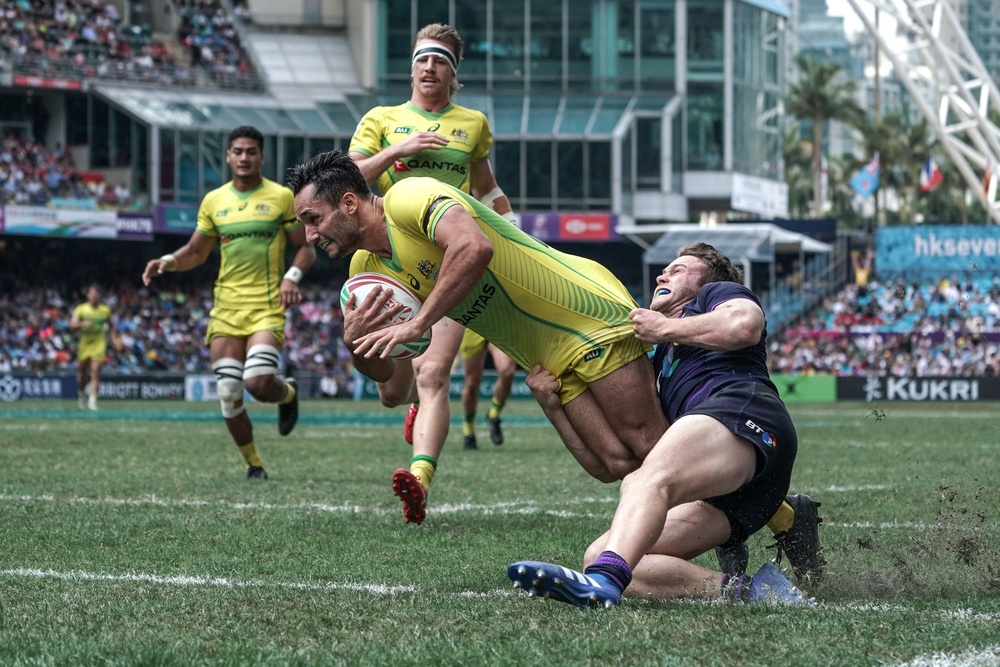
After more than 2 1/2 years under the cloud of the pandemic, Hong Kong is tentatively emerging by resuming one of its trademarks, big-ticket events, the Rugby Sevens.
The Nov. 4-6 tournament, which follows a major banking summit, might not quite be the raucous, freewheeling experience of old. While the rest of the world outside China has long abandoned Covid restrictions and returned to normal life, the virus still looms large over Hong Kong. Not only are players confined to quarantine bubbles, but stadium capacity is also capped and spectators subject to a raft of restrictions, including mask-wearing at most times.
Caught between the need to reopen and Beijing’s uncompromising Covid Zero approach, Hong Kong is hoping the event -- despite the curbs and lack of international visitors -- showcases a city on the road to recovery.
“The Sevens are such an important fixture in Hong Kong’s calendar, so the return of the tournament is an important milestone after a difficult few years,” Noel Quinn, chief executive officer of Sevens sponsor HSBC Holdings Plc, said in a research note that included quirky observations by the bank’s analysts on past results. (Corn and barley prices tend to be more volatile when New Zealand wins the Sevens. Fiji’s chances improve when China’s economic growth slows.)
Luke Treharne, who captained Wales’s Sevens team and played in the Hong Kong tournament from 2015 until it was last held in 2019, said players always looked forward to the Hong Kong event as it has one of the best atmospheres in all of rugby.
“There’s such a big buzz around the city leading up to the event and then it all kicks off,” the 29-year-old said in an interview with Bloomberg News.
Hong Kong’s Covid regime means the Sevens, popular with the city’s banking and wider expatriate community, will in 2022 be like none other in the tournament’s nearly 50-year history. Players are in closed-loop bubbles, so they have no contact with the general public, a system China pioneered with the Beijing Olympics and still uses to keep factories operational during lockdowns, with mixed results.
The players “aren’t really getting a chance to experience Hong Kong,” said Treharne, who moved from Cardiff to the city in October and plays for Valley RFC, which is sponsored by Societe Generale SA. “It’s normally a class tournament to get out and about and see what’s going on in Hong Kong -- places to eat, going up the Peak, seeing the different markets.”
Former New Zealand Sevens captain DJ Forbes said the Covid bubble would be tough for players, but many have at least experienced them before, at the Tokyo Olympics and the Commonwealth Games in Birmingham.
“This is a lot tougher as they’re confined to their own team, but in terms of safety it’s about getting to the start line and doing whatever they need to do,” Forbes said in an interview with Bloomberg Television’s Stephen Engle.
For a while there were concerns that food wouldn’t even be available at these Sevens, but the government backed down, telling organizers that it would permit eating in the stands. When not consuming food or drinks, however, spectators must wear masks.
Other requirements include presenting proof of a negative rapid antigen test taken the day of entering the stadium, marked with a name, time and date, as well as scanning in with Hong Kong’s LeaveHomeSafe app. Spectators can bring in “small amounts of food” but no beverages or bottles -- or umbrellas.
Groups of people will be limited to 12, somehow, and Hong Kong Stadium’s capacity capped at 85 percent.
Germs and virus containment used to be the last thing on anyone’s mind when it came to the Sevens. The South Stand is especially wild and accelerates toward bedlam as the tournament progresses, with plastic jugs of who-knows-what flying over the bleachers, while the overcrowded bathrooms eventually resemble a biochemist’s nightmare.
“The South Stand is absolutely infamous around rugby circles and the fact that it hasn’t happened for three years could take this one to another level,” Treharne said, adding that some of his new teammates have lived in Hong Kong for several years but never had the chance to attend the Sevens.
“They are so excited for it, full fancy dress and going for a full three days in the South Stand,” he said. “It’s just as unique a fan experience as it is for players. That’s why it’s been such a famous tournament over the years.”
Whether this year’s Sevens lives up to their expectations depends on how zealously the Covid restrictions are policed.
The Hong Kong Sevens usually attracts spectators from around the world. This year, overseas visitors can only attend if they’ve come with enough time to clear the three days of virus restrictions that prevent arrivals from going to restaurants and other places where they could potentially infect large numbers of people.
Despite this, and there being only 16 teams compared with the usual 24 and no women’s tournament this year, the Hong Kong Rugby Union expects more than 30,000 fans, within the stadium’s reduced capacity limit of about 34,000.
“It’s the comeback event for Hong Kong and running out on Friday with that view and the stadium right on top of them will be spectacular,” Ben Gollings, Fiji coach and former star of England’s Sevens team, said in a statement published by the HKRU. “Hong Kong is a favorite tournament in Fiji.”
Gates open at 1:30 p.m. Friday, 9 a.m. Saturday and 7:30 a.m. Sunday. Teams are split into four pools and the first match is between Ireland and Kenya at 3:40 p.m. Friday. Defending champion Fiji -- the most decorated Hong Kong Sevens country with 19 titles -- begins with a match against Japan at 4:52 p.m. Hong Kong, a minnow compared with the other teams, finishes up the first day with an encounter against Australia around 7 p.m. before facing New Zealand and Samoa on Saturday.
“The vibe this week has been very positive, people are coming,” HKRU Chairman Chris Brooke told Bloomberg TV’s Engle, adding that organizers aren’t intending to enforce Covid-related restrictions in a “heavy-handed” manner. “I don’t think it will detract from the fun of the weekend.”
“Hong Kong’s been missing big events,” Brooke said. “This is a good sign that Hong Kong is back.”
(Bloomberg)