Read More






Night Recap - September 8, 2026
4 hours ago
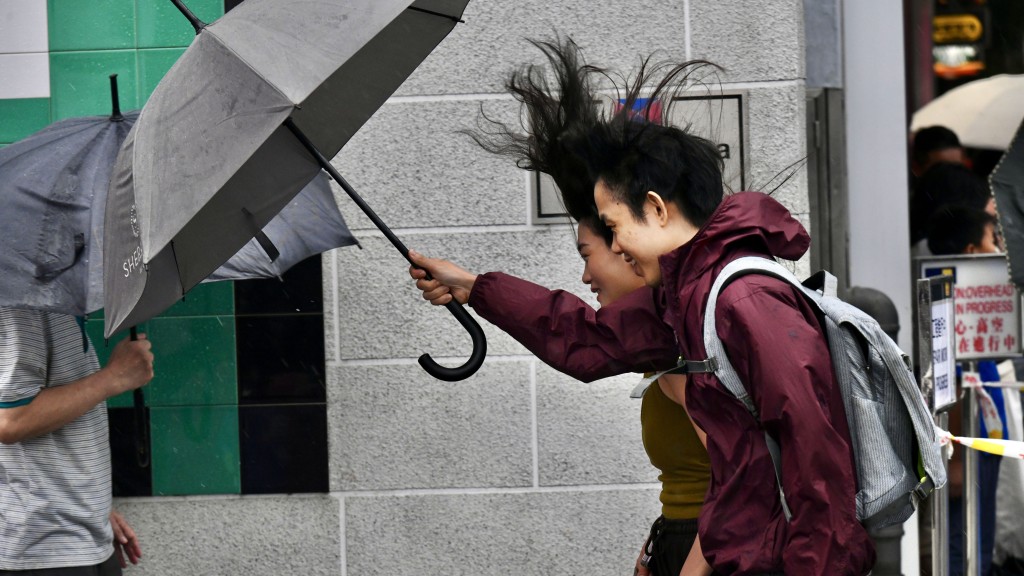
HKO warns super El Nino to peak by Dec after record cyclones
07-09-2026 20:08 HKT

HKIAA pilot program sees around 60 cadets obtain commercial licenses
07-09-2026 18:58 HKT


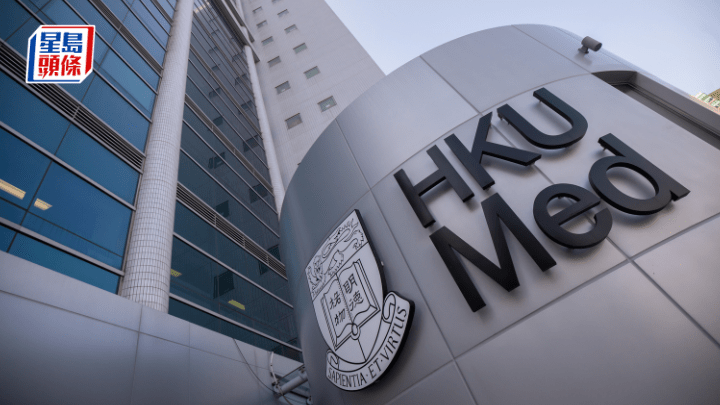
The University of Hong Kong (HKU) has initiated a program offering complimentary health assessments for over 100 foreign domestic helpers to enhance awareness regarding stroke prevention within the group.
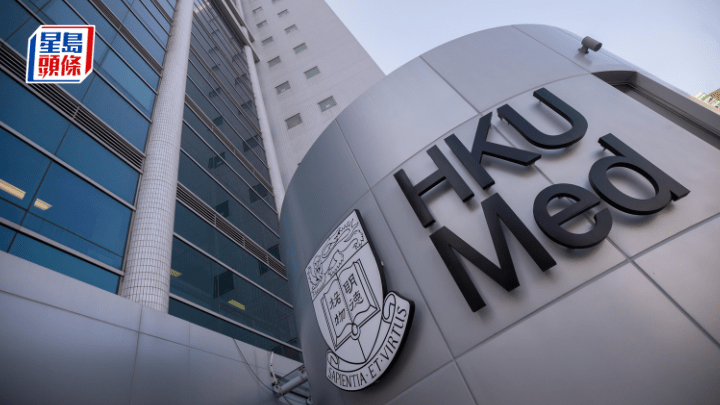
Organized by a research team, HKU Stroke, the check-ups took place for the first time at the HKU Li Ka Shing Faculty of Medicine campus.
Gary Lau Kui-kai, Director of HKU Stroke and Clinical Associate Professor at HKUMed, said that approximately 220 domestic helpers aged 18 to 55 experience strokes annually.
He noted the societal benefits of educating domestic helpers on the significance of maintaining a "low fat, low sugar, and high fiber" diet, given their significant role in caregiving within the community.
Meanwhile, Lau highlighted the lack of health checks or related educational seminars for the helpers, adding that one helper was sent to Queen Mary Hospital after reporting consistently high blood pressure during the assessment.
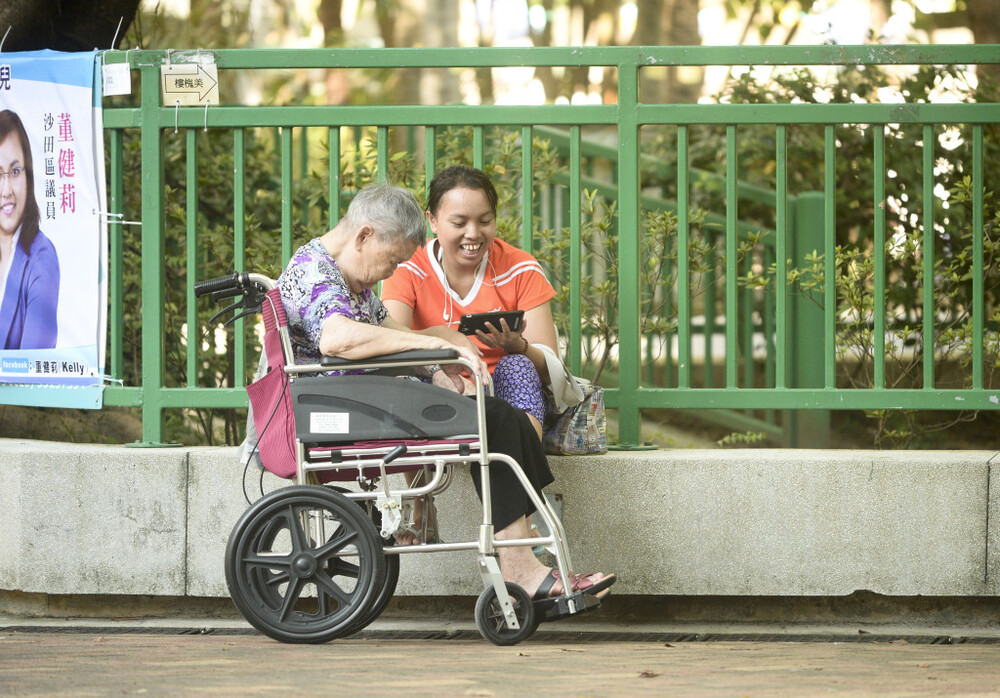
The domestic helpers who participated voiced their concerns regarding stroke prevention and expressed a desire to modify their daily dietary and exercise habits. Furthermore, they indicated their intention to disseminate health information among their families.
Separately, a survey conducted by Suicide Prevention Services from October to February, which involved 942 caregivers responsible for the care of individuals aged 60 and older, revealed that 37 percent -- or 352 respondents -- are experiencing high levels of stress.
Furthermore, two-fifths of these caregivers reported suffering from depression or anxiety.
The survey also indicated that over 40 percent of respondents categorized in the high-workload group dedicate 21 hours or more each week to caregiving responsibilities. Half of the caregivers aged 35 to 54 are experiencing a high workload.
Suicide Prevention Services highlighted that caregivers may experience heightened stress due to a lack of communication and resources, as well as sudden changes in the physical condition of the elderly individuals they care for.
Such changes, including a rapid decline from a state of mobility to inability to walk within a brief timeframe, can significantly increase the caregivers' stress levels unexpectedly.
In light of these findings, it is recommended that employers consider offering flexible working hours and providing medical escort leave to support caregivers effectively.
(Judy Cui and Kelvin Wan)
(Updated at 9.58pm)