Read More















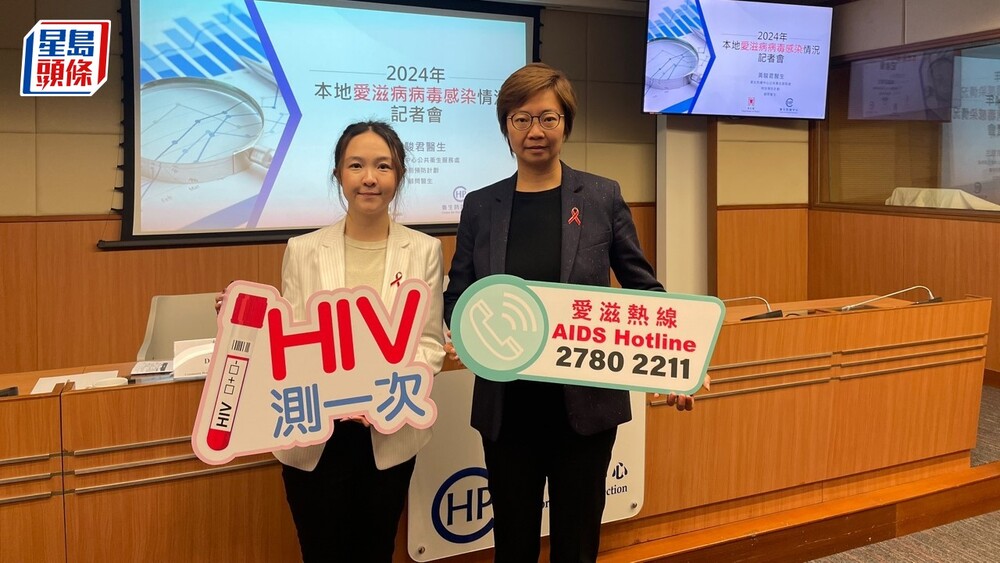
The Department of Health (DH) in Hong Kong recently summarized the ongoing situation concerning human immunodeficiency virus (HIV) infections and shared insights from a 2024 survey on HIV and sexually transmitted infections (STIs) among female sex workers (FSWs), recording a continued decline for the ninth consecutive year.
In 2024, Hong Kong reported 365 new HIV cases, comprising 297 males and 68 females aged between 14 and 89, predominantly through sexual contact. The transmission was split between homosexual or bisexual (216 cases) and heterosexual (96 cases) contact.
Since 1984, the total number of HIV infections reported locally has reached 12,403. Additionally, 74 new AIDS cases were identified in 2024, bringing the cumulative total to 2,557 since 1985, with Pneumocystis pneumonia being the most common AIDS-defining illness.
The findings underscore a continued decline in new HIV cases for the ninth year, with a prevalent rate significantly below the global average, highlighting the effectiveness of local prevention and control measures.
Despite these advancements, the DH expressed concern over the high rate of late presentations in new cases, which ranged between 40 and 50 percent. Late presenters are those diagnosed with very low CD4 cell counts or who have already progressed to AIDS at the time of diagnosis, indicating delayed treatment and increased risks of further health complications and transmission.
The DH also completed the "HIV/AIDS Response Indicator Survey 2024 for Female Sex Workers" (HARiS 2024 for FSWs), which revealed an increase in HIV testing among FSWs from 37 percent in 2022 to 55 percent in 2024. While this indicates progress, it still falls short of the 80 percent target set in the Recommended HIV/AIDS Strategies for Hong Kong (2022-2027). The survey also noted that while condom use was high with non-regular clients, inconsistencies remained with regular clients, suggesting a need for enhanced condom promotion efforts.
Dr. Bonnie Wong from the Public Health Services Branch emphasized the importance of regular HIV and STI testing, particularly for high-risk groups such as men who have sex with men, FSWs, their clients, and injecting drug users. She also highlighted the availability of community resources for HIV testing, including free, anonymous, and confidential testing services accessible through the HIV Testing Service website or the AIDS Hotline.
Furthermore, Dr. Wong reiterated that HIV is a manageable chronic condition, controllable with early and lifelong antiretroviral treatment. Effective treatment not only prevents the progression to AIDS but also ensures that those with undetectable viral loads cannot transmit the virus sexually, a concept summarized as undetectable equals untransmittable (U=U).