Read More
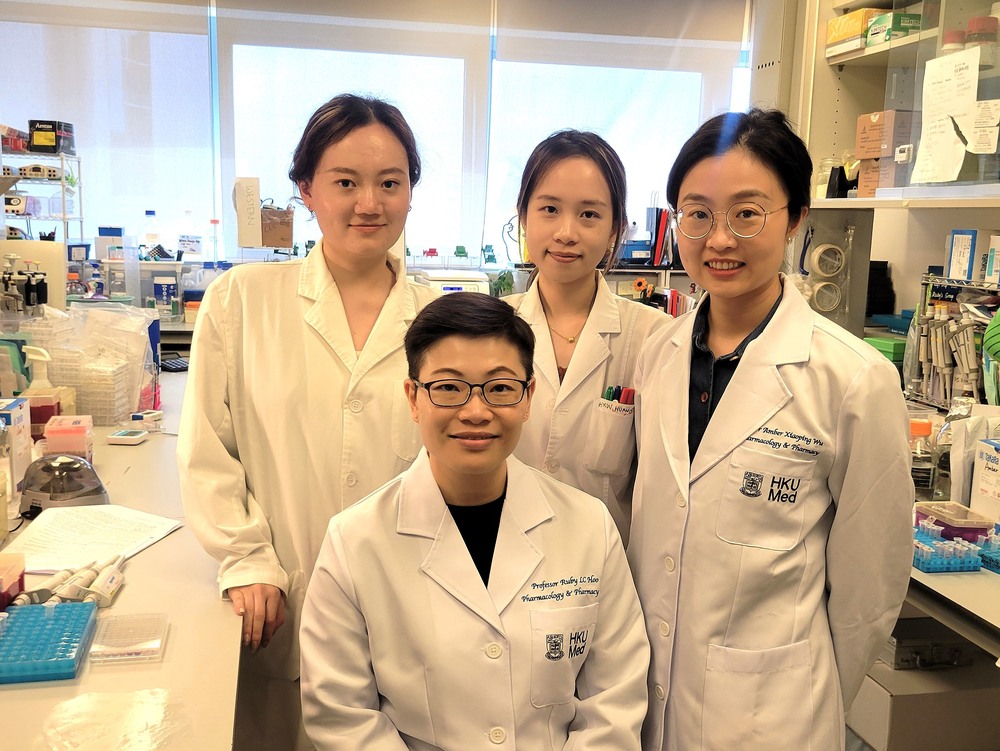
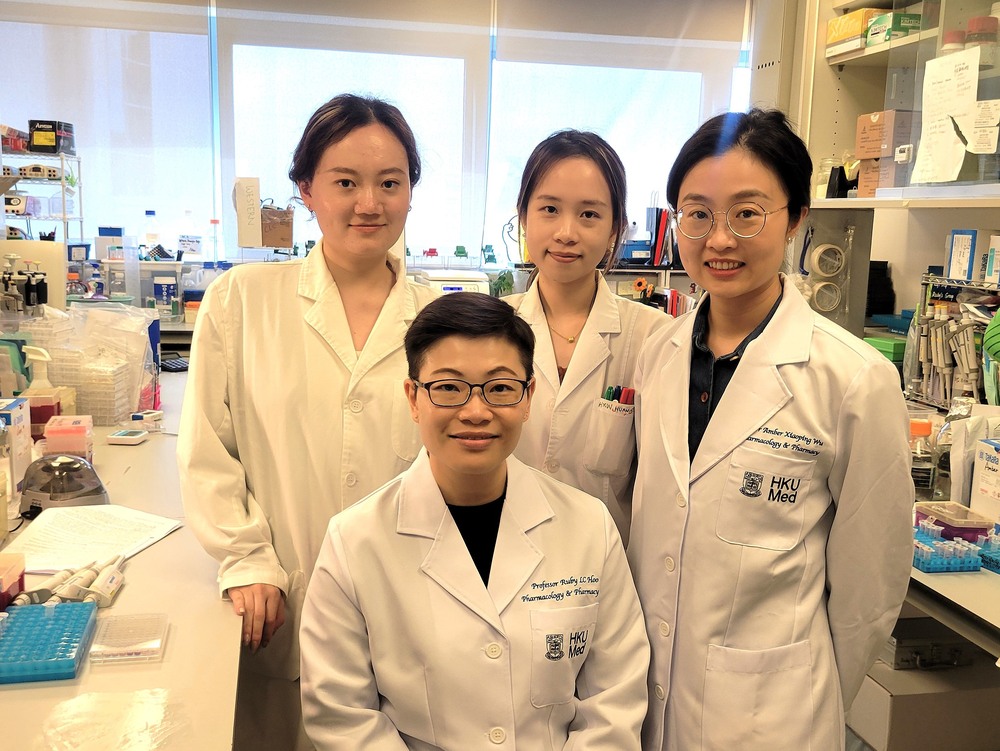
A research team at the University of Hong Kong discovered a mitochondria protein that can effectively help manage obesity.
ADVERTISEMENT
SCROLL TO CONTINUE WITH CONTENT
It was found by the HKUMed that Chchd10, a mitochondria protein, can act as a novel regulator to balance adipose tissue, opening new avenues for combating obesity and its related metabolic disorders.
Adipose tissue is vital for energy balance and metabolic health. When energy intake exceeds demand, it remodels by increasing fat cell number and size.
An imbalance in this remodeling process can lead to obesity and related metabolic disorders. Therefore, understanding the molecular mechanisms governing adipose tissue homeostasis is essential for developing effective interventions.
To investigate Chchd10’s role, the HKUMed team tested wild-type and Chchd10-deficient mice on high-fat diets.
They found that Chchd10 levels dropped in the white adipose tissue of wild-type mice, resulting in more subcutaneous fat and energy storage during short-term high-fat diets.
In contrast, Chchd10 deficiency led to higher GSTA4 levels in visceral fat, which helps prevent cellular damage after consuming a long-term high-fat diet.
The findings showed that Chchd10 is a key regulatory factor for maintaining stability in adipose tissue.
Downregulation of Chchd10 enhances subcutaneous fat formation and boosts antioxidant capacity in visceral adipose tissue, reducing the risk of diet-induced obesity and metabolic disorders.
Ruby Hoo Lai-chong, Associate Professor in the Department of Pharmacology and Pharmacy at HKUMed, noted the study offered important insights into the molecular pathways involved in regulating adipose tissue homeostasis and their impact on managing obesity.
“By targeting Chchd10 and its associated pathways, new therapeutic strategies can be developed to combat diet-induced obesity and improve metabolic health,” she said.
“The research underscores the potential interventions targeting metabolic dysfunctions in specific adipose depots.”
(Cheng Wong)