Read More
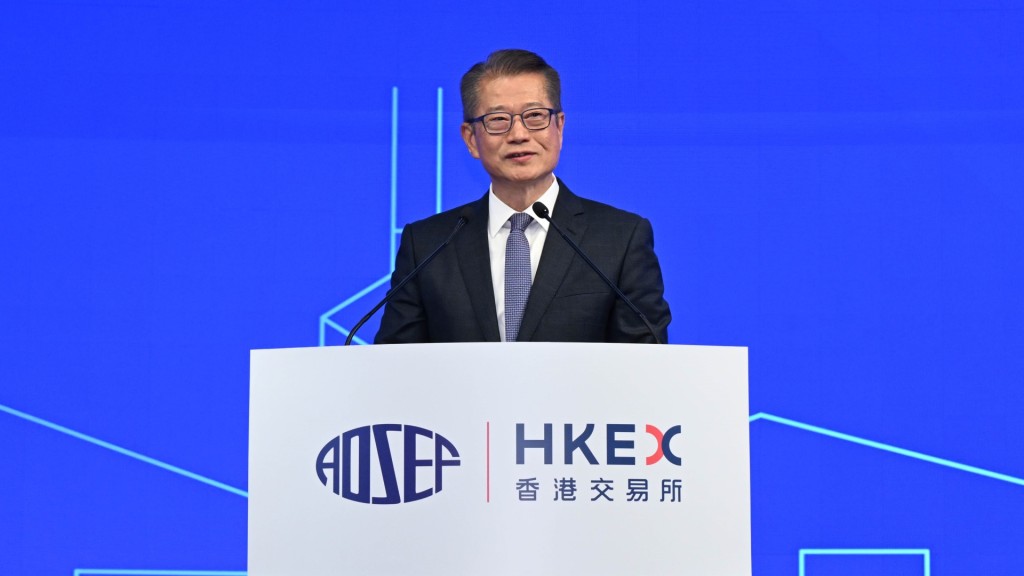
About 10,000 civil servant posts are expected to be eliminated during the current government term, as Financial Secretary Paul Chan revealed plans to reduce the civil service establishment by two percent in both the 2026-27 and 2027-28 fiscal years.
ADVERTISEMENT
SCROLL TO CONTINUE WITH CONTENT
Chan also announced a pay freeze for the upcoming fiscal year, impacting a wide range of public officials, including the Chief Executive, politically appointed officials, non-official members of the Executive Council, civil servants, members of the Legislative Council, the judiciary, and District Council members.
“This decision reflects our commitment to fiscal discipline and shared responsibility during challenging times,” Chan said.
The rate of reduction in recurrent government expenditure will increase from one percent to two percent in the 2025-26 fiscal year, with this arrangement extended for two additional years until 2027-28.
Cumulatively, taking into account the one percent cut in 2024-25, the total reduction will amount to seven percent, saving about HK$3.9 billion in 2024-25, HK$11.7 billion in 2025-26, HK$19.5 billion in 2026-27, and HK$27.3 billion in 2027-28 compared to recurrent expenditure in 2023-24.
“All bureaus and departments have been instructed to review their priorities and deliver public services more cost-effectively through internal consolidation, procedural streamlining, and technological innovation,” Chan added.
The Audit Commission will conduct workshops for senior management to share best practices in fiscal prudence and optimal resource use, based on its value-for-money audits.
To ensure the procurement of quality goods and services at reasonable prices, the Financial Services and the Treasury Bureau will review and enhance the government’s procurement regime, with new arrangements anticipated by mid-2025.
Relevant bureaus will also assess expenditures in social welfare, healthcare, and education, each exceeding HK$100 billion in recurrent spending this fiscal year, focusing on resource optimization and sustainability amid demographic changes in Hong Kong.
Sources indicated that the two percent reduction in recurrent expenditure is deemed "appropriate," assuring that expenditures on programs like Comprehensive Social Security Assistance and the Old Age Living Allowance will remain intact.
The plan is to implement the post cuts uniformly across all departments, with each bureau required to submit a reduction list to the Civil Service Bureau by the second quarter of this year.
The first round of cuts is scheduled for April next year, with department heads tasked with determining specific reductions.
When asked about the potential contribution of post reductions to the treasury, sources admitted it was "too early to tell" and could not provide specific figures.
They clarified that there are no plans to introduce a "voluntary quit scheme."
Sources noted that past civil service pay adjustments necessitated a pay trend survey and the approval of the Chief Executive in Council, but this year's early announcement in the budget makes the survey less relevant. They expressed confidence that this decision would not negatively impact civil service morale.
Describing the early announcement as an unconventional move, sources stated it aligns with the national call for innovation and adaptability in governance.
They emphasized that the decision strikes a balance between stringent public expenditure control, civil service morale, and effects on the private market.
The early announcement is intended to allow civil servants to prepare, mitigating uncertainties that could harm morale.
Delaying the announcement could have drawn criticism for indecisiveness.
Regarding the possibility of further pay freezes or cuts next year, sources indicated that such decisions would depend on the economic situation and refrained from providing further comments.
They dismissed concerns that the pay freeze would impact the private market, asserting that "individual employers' decisions on employee salaries are their own."
(Ayra Wang)