Read More



Night Recap - June 29, 2026
6 hours ago
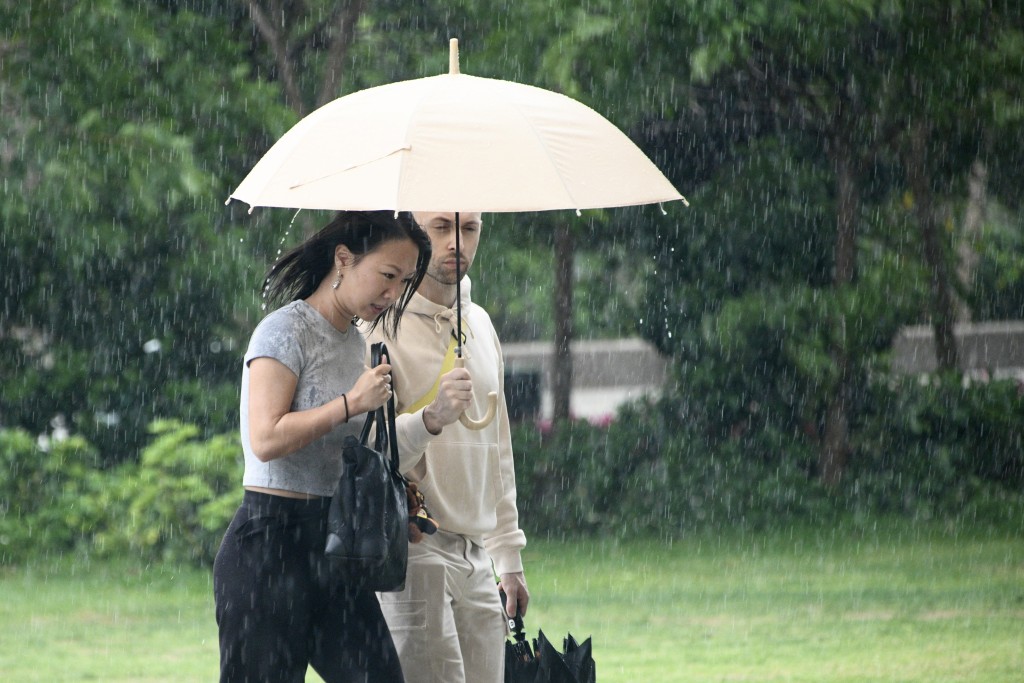

Heavy rain expected to hit HK in next few hours, Observatory warns
29-06-2026 04:25 HKT
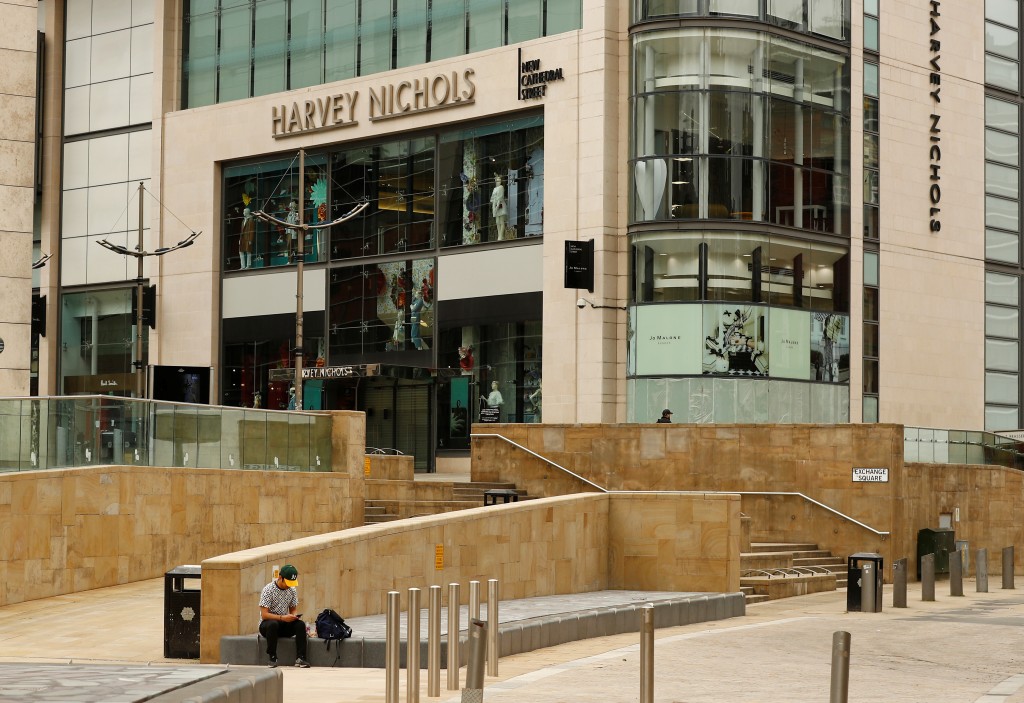
Hong Kong retail billionaire in talks to sell Harvey Nichols, FT reports
28-06-2026 19:02 HKT


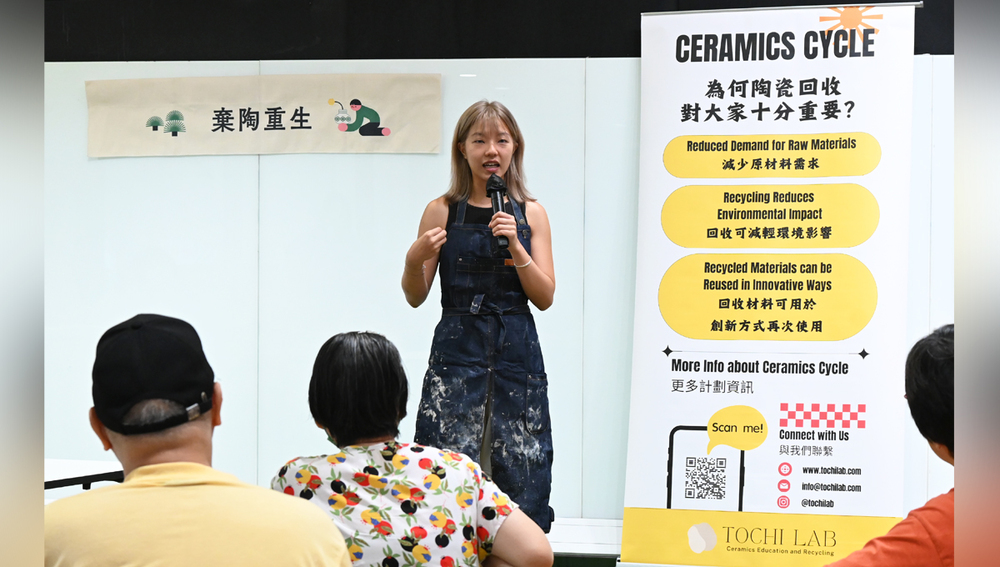
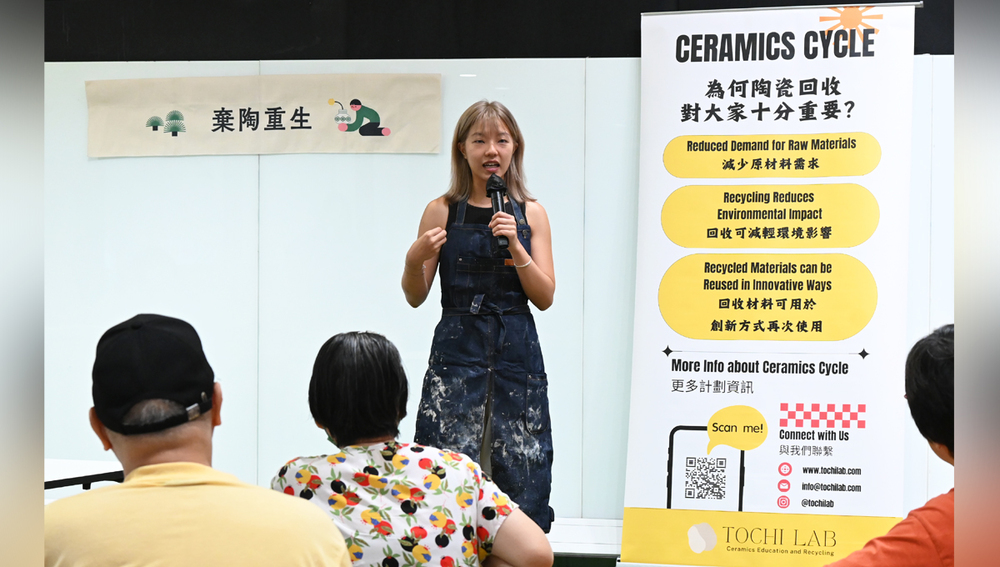
Amid Hong Kong’s towering skyscrapers and bustling streets, Xapa Lit Uen-man, 25-year-old founder of Tochi Lab, is breathing new life into discarded ceramics in her studio. Once destined for landfills, these fragments of pottery are now transformed into vibrant art pieces and functional coral restoration tools. Lit’s innovative approach not only showcases her creativity but also reflects her deep commitment to environmental sustainability.
As the first social enterprise in Hong Kong to recycle ceramics, Lit is redefining what it means to blend artistry with purpose. Lit’s journey began inside university’s art room with a simple yet profound question, “What if ceramics waste could become a resource?” The result was Tochi Lab, a social enterprise that embodies the principles of sustainable development and reflects a growing global movement toward responsible consumption.
Social enterprises are businesses that seek to solve social or environmental issues through sustainable and socially responsible practices, and Hong Kong Baptist University HKBU has positioned itself as a leader in nurturing such initiatives. Through the Centre for Innovative Service-Learning, HKBU connects students with community partners, facilitates transdisciplinary collaboration and provides resources and personalised training. At the heart of this effort is TriAngle, a co-working space located at HKBU dedicated to driving learner-centered social innovation.
TriAngle offers HKBU students a platform to transform ideas into impactful solutions. With Social Innovation Kick-start Fund, TriAngle supports projects like Tochi Lab with financial assistance, developmental resources and practical suggestions. TriAngle’s goal is to “drive innovation for social good” and empower students to create lasting, positive change. Currently, the fund covers projects in various fields, including ageing population, mental health and reducing inequality.
“We want our students to be practical while shouting their ideas out,” said Nicholas Ooi, Innovation Lead of CISL. “Let us be the shield that empowers our students to chase their dreams,” Ooi added.
Lit’s Tochi Lab is a shining example of how this mission translates into action. Her vision didn’t come to life in isolation.
According to research, ceramic waste in Europe and mainland China amounts to approximately 7 million tons each year. “There are thousands of ceramics waste produced every year from studios, domestic and construction sites,” said Lit. “Some of them are new cups or plates and in good shape,” Lit added.
“Every broken piece tells a story,” Lit said. “Through Tochi Lab, we’re not only reducing waste, but also helping to rebuild eco-systems,” Lit added.
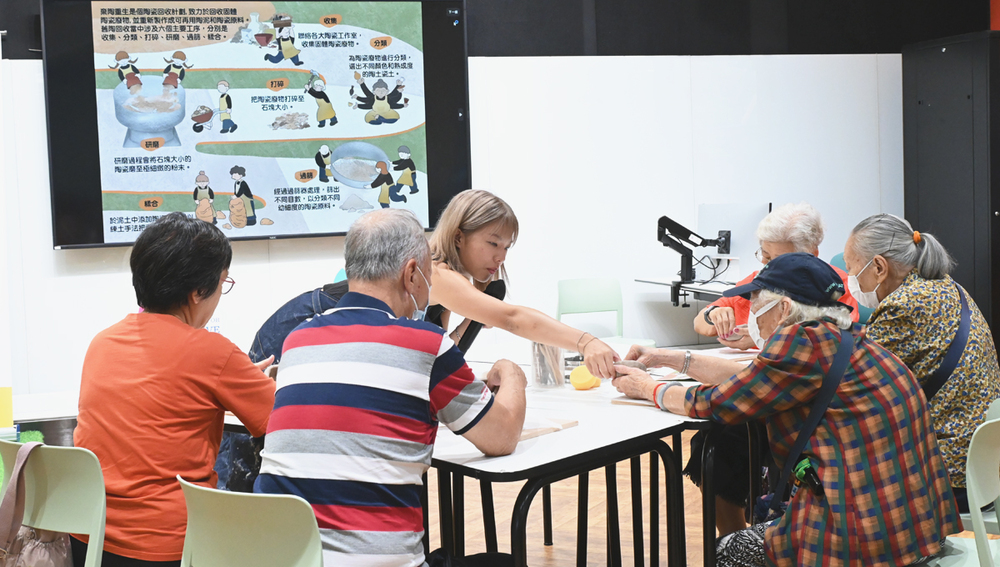
Tochi Lab focuses on reusing ceramics to address critical environmental challenges, including waste management, marine ecosystem restoration, and education for the next generation.
By collecting and repurposing these materials, Tochi Lab reduces landfill waste while encouraging sustainable innovation and ecological restoration efforts. It aligns with global Sustainable Development Goals particularly goal 4, goal 12 and goal 14.
“My goal is not just to make a difference here, but to inspire others to rethink waste and sustainability everywhere,” Lit said.
Through the hard work of changemakers such as Lit, both HKBU and TriAngle aim to instill an entrepreneurial mindset in students while addressing broader societal needs and combining academic rigor with practical application.
“Every idea has the potential to create impact, so don’t wait for the perfect moment, start now and build something meaningful together,” Lit concluded.