Read More
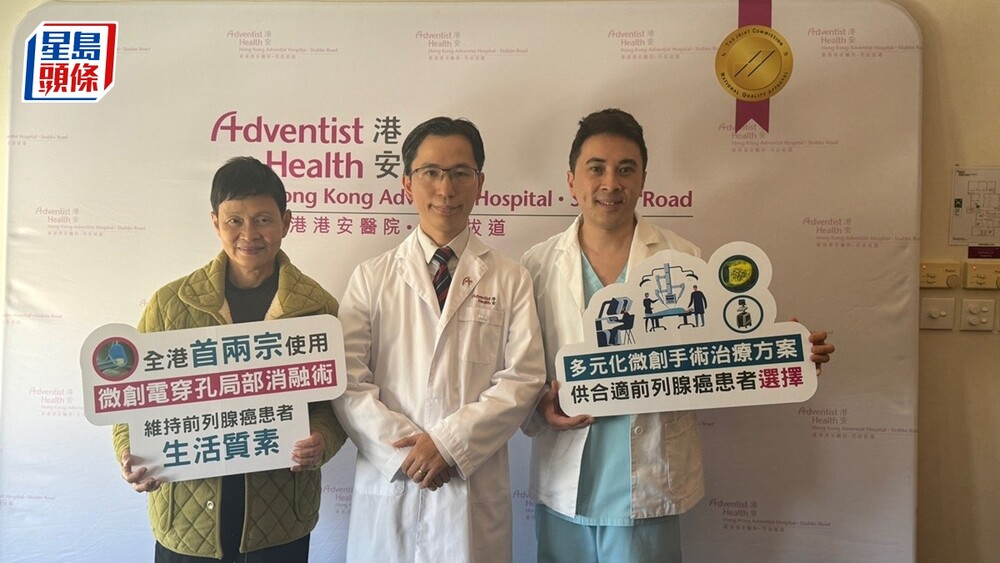
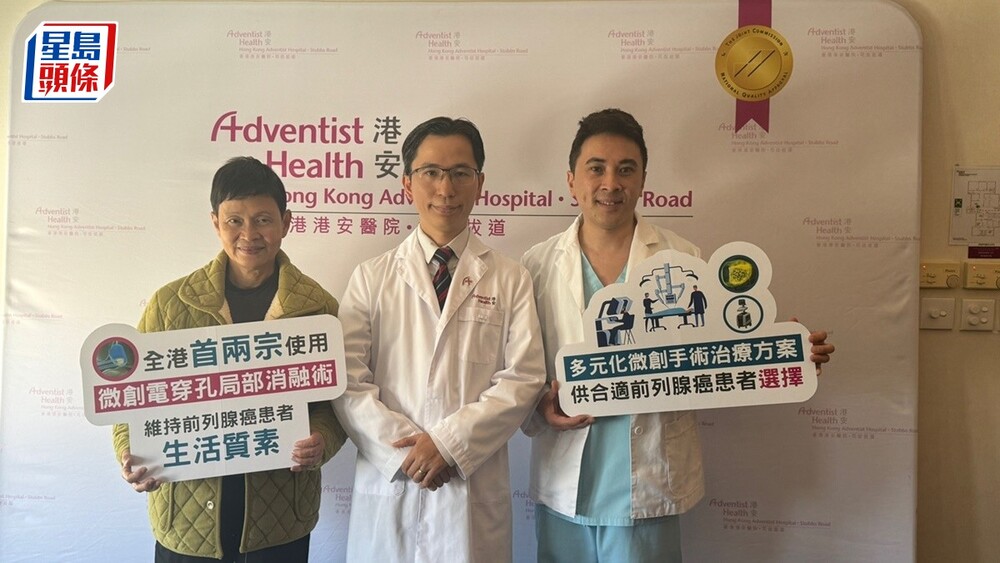
The Hong Kong Adventist Hospital has introduced a minimally invasive surgery to treat prostate cancer which allows patients to recover rapidly with low side effects.
ADVERTISEMENT
SCROLL TO CONTINUE WITH CONTENT
The two successful cases were completed in December last year, involving an 81-year-old and a 75-year-old man diagnosed with stage two and stage one prostate cancer, respectively.
Prostate cancer is the third most prevalent cancer in Hong Kong, with approximately 40% of diagnosed patients identified at stages one or two.
According to the Hospital Authority’s latest data, the city recorded 2,758 new cases in 2022.
Ma Wai-kit, a Consultant in Urology at HKAH-SR, explained that prostate cancer staging is typically classified into four stages based on tumor size, lymph node involvement, and metastasis to other organs.
He noted that stages one and two typically involve active surveillance or whole-organ treatments, which can have side effects that impact patients’ quality of life.
Ma explained that minimally invasive surgery using Irreversible Electroporation (IRE) only needs to insert several electrode needles through patients’ skin to surround cancer cells, and electric currents will pass through the cells without damaging blood vessels or nerves.
The hospital stated that IRE has minimal severe side effects at 4.1 percent and 90.1 percent of patients maintain erectile function within 90 days post-operation according to recent studies in the United States.
Ma added that the surgery usually takes 1 to 1.5 hours, with patients typically returning home within one to two days.
He also noted that the IRE procedure is faster than other focal treatment methods and can destroy targeted tissue without heat, making it safer near critical structures and minimizing long-term damage.
The hospital also established a Robotic Surgery Center last year, introducing the latest robotic systems including the fourth-generation Da Vinci robotic surgical system. Ma said it can be used for various surgeries, such as prostate cancer removal.
(Cheng Wong)