Read More


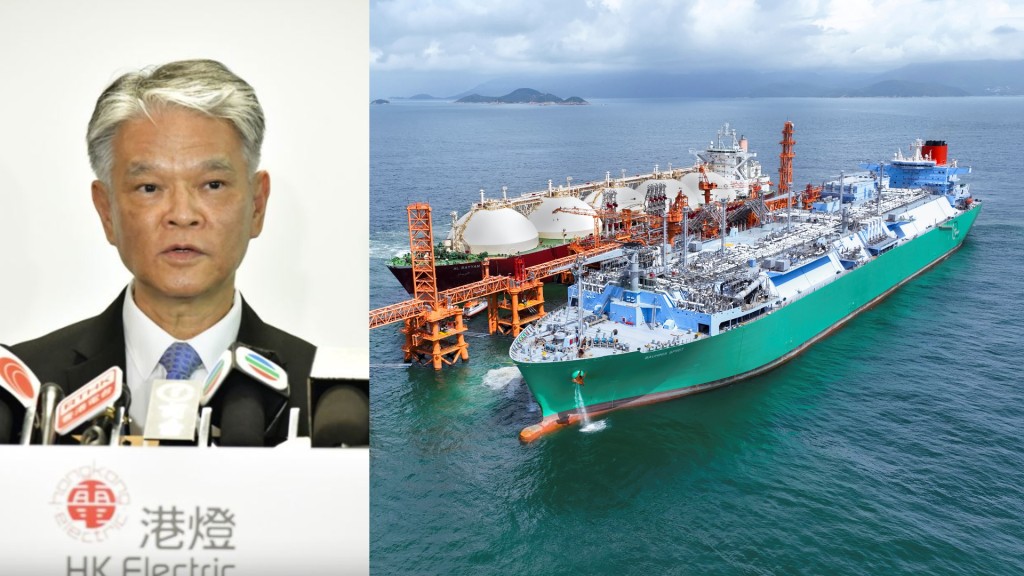
HK braces for natural gas shortage
7 hours ago

Morning Recap - April 2, 2026
8 hours ago

Six senior counsel appointed
31-03-2026 13:54 HKT
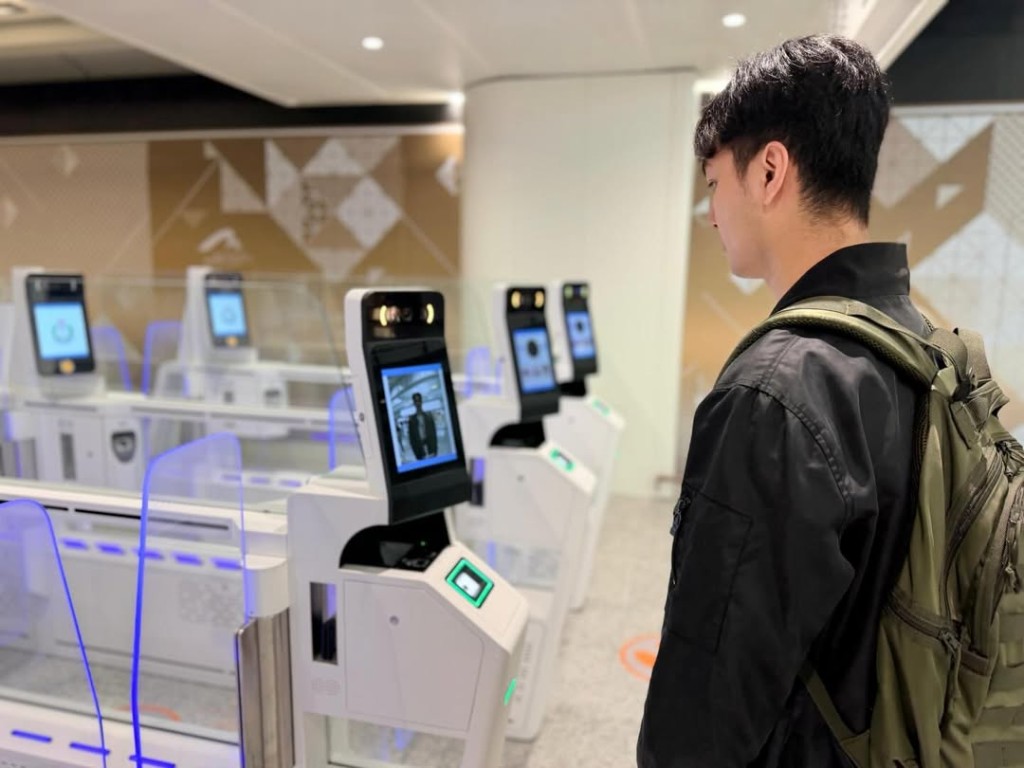
12 new biometric e-Channels launched in HK airport for document-free entry
01-04-2026 12:48 HKT
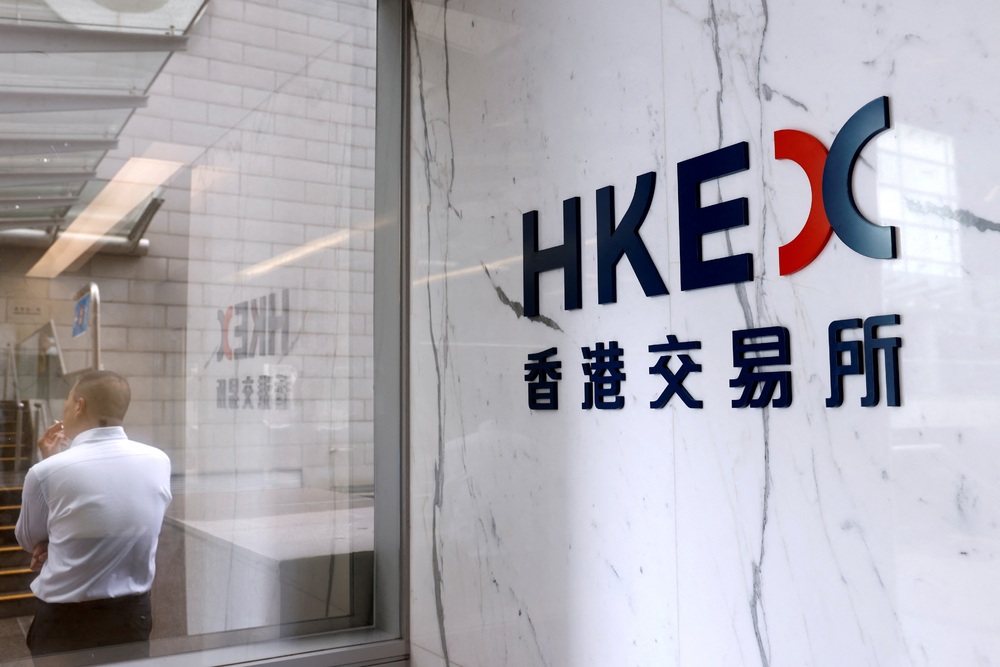
Hong Kong's stock exchange will continue trading during typhoons and heavy storms starting on September 23, as Chief Executive John Lee Ka-chiu stated it would enhance the city's competitiveness in the Asia-Pacific region.
The stock exchange halts trading when a strong typhoon or Black Rainstorm signals are issued, causing several lost days annually.
Lee said Tuesday that Shenzhen and Shanghai are trading as usual in bad weather, and there is no reason for Hong Kong - as an international financial center - not to follow the arrangement.
He stated that the arrangement would enhance the competitiveness of the Hong Kong Exchange and that scheduled to begin in September will provide the industry with time to prepare.
Financial sector lawmaker Robert Lee Wai-wang believed that most industry stakeholders would welcome the new arrangement and are prepared for the changes.
As for some securities brokers are concerned that the technical upgrade of the trading and settlement systems to accommodate the new arrangement will increase operating costs, Robert Lee believes the government will implement a range of measures to support them.
Katerine Kou Kuen, chair of Hong Kong Securities Association, said discussion on the move had been ongoing for a year given the city’s role as “a super connector between the Chinese market and the global market”.
“I think Hong Kong as a whole, including the exchange, have been trying to score more points, and to enhance its global competitiveness,” Kou told AFP.
“This is definitely a score-winning move.”
According to a consultation paper from the city’s bourse proposing trading continue through bad weather, the exchange was impacted by severe weather four times in 2023, “including three full-day market suspensions”.
“During such trading suspensions, investors are unable to manage their portfolios and are exposed to potential market risks, especially in scenarios where the markets of their underlying positions are open,” it said.
(Staff reporter and AFP)