Read More

Morning Recap - September 9, 2026
4 hours ago
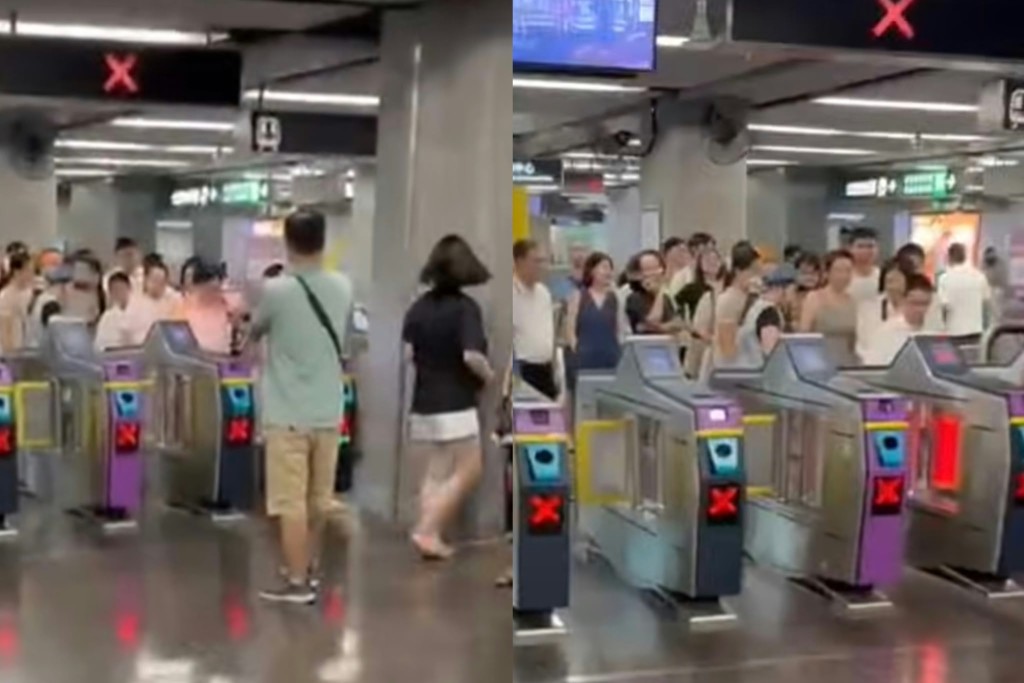
Group of 36 suspected of gate-crashing at Tsim Sha Tsui MTR Station
08-09-2026 11:26 HKT
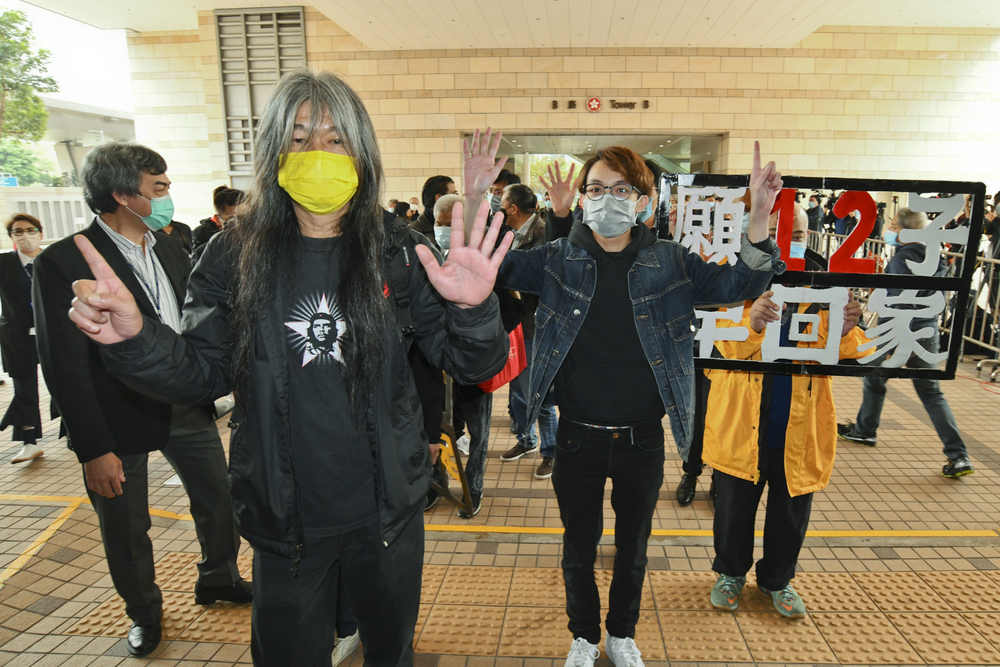
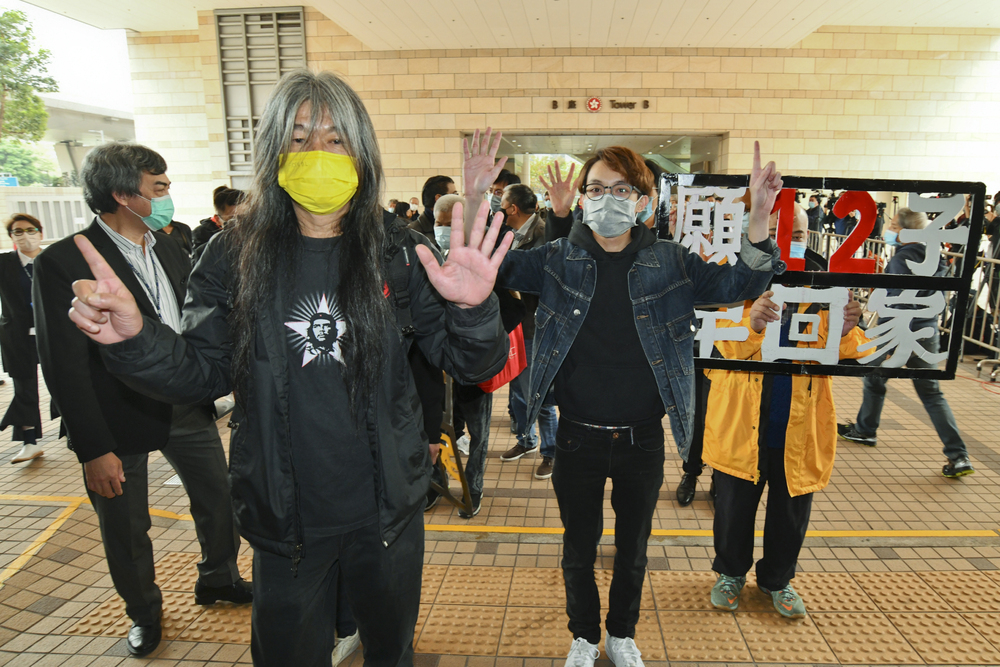
Eight prominent Hong Kong democracy activists charged with taking part in an “illegal assembly” during the protest on July 1 this year have been banned from leaving Hong Kong after another activist Ted Hui Chi-fung fled the city.
Those charged included veteran activist “Long Hair” Leung Kwok-hung, 64, the former chief of Hong Kong's Democratic Party Wu Chi-wai, 58, ex-legislator Eddie Chu Hoi-dick, 43, and Figo Chan Ho-wun, 24, the organizer of an annual July 1 rally marking the British handover of the city to China in 1997.
The eight appeared before principal magistrate Peter Law Tak-chuen, who adjourned the case to February 8 next year, at West Kowloon Magistrates’ Courts today.
All of them have been granted bail of HK$1,000. But they were banned from leaving Hong Kong and would need to hand over their travel documents, stay at their addresses and report to police weekly.
The other four defendants are Eastern District Councilor Tsang Kin-shing, 64, Lancelot Chan Wing-tai, 56, and Andy Chui Chi-kin, 53, as well as League of Social Democrats member Tang Sai-lai, 58.
The group has been hit with various "unlawful assembly" charges -- namely organizing, inciting, or taking part in an illegal gathering.
The charges stem from protests that broke out on July 1 this year -- the anniversary of Hong Kong's handover to China.
The date has traditionally witnessed large pro-democracy protests in a city where millions have taken to the streets in recent years.
During months of protests that swept the city in 2019, the legislature was stormed on handover day by crowds in an unprecedented challenge to Beijing's rule.
The day before this year's handover anniversary Beijing enacted its draconian national security law, bypassing the legislature and keeping its contents secret until the moment it was imposed.
The law enhanced Beijing's control over the city, outlawed certain political views, and deepened the crackdown against democracy supporters.
Tens of thousands defied the law and hit the streets that day in protests that were swiftly broken up by riot police.
Police arrested the eight activists earlier this month, accusing them of being key instigators of that rally.
Beijing says the law was needed to end the political unrest and restore stability. But critics, including many western nations, say China has shredded its promise to let Hong Kong retain key liberties and autonomy after its return to the mainland.
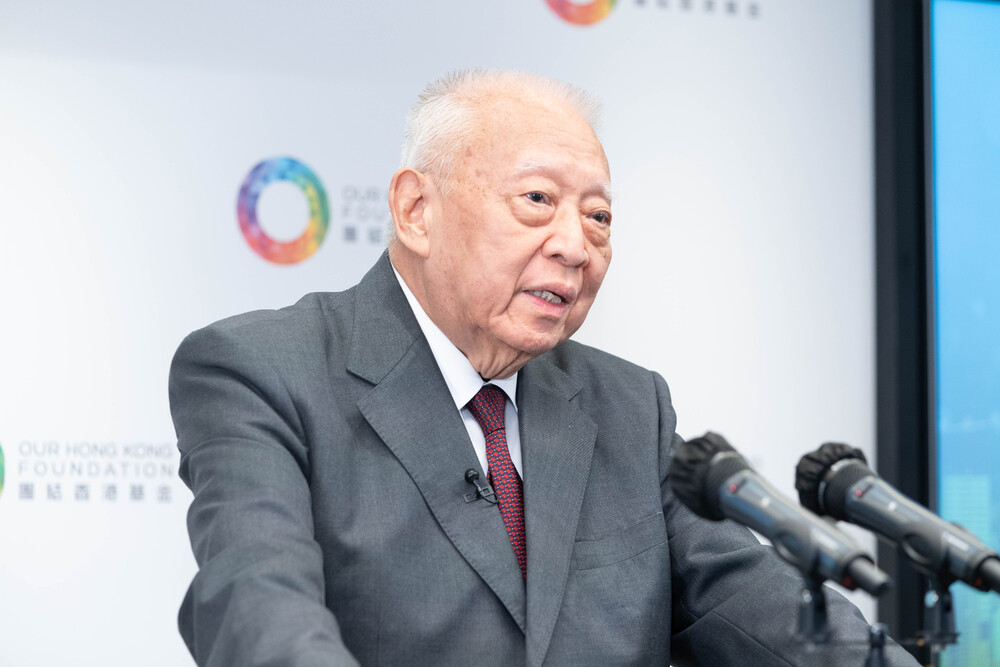
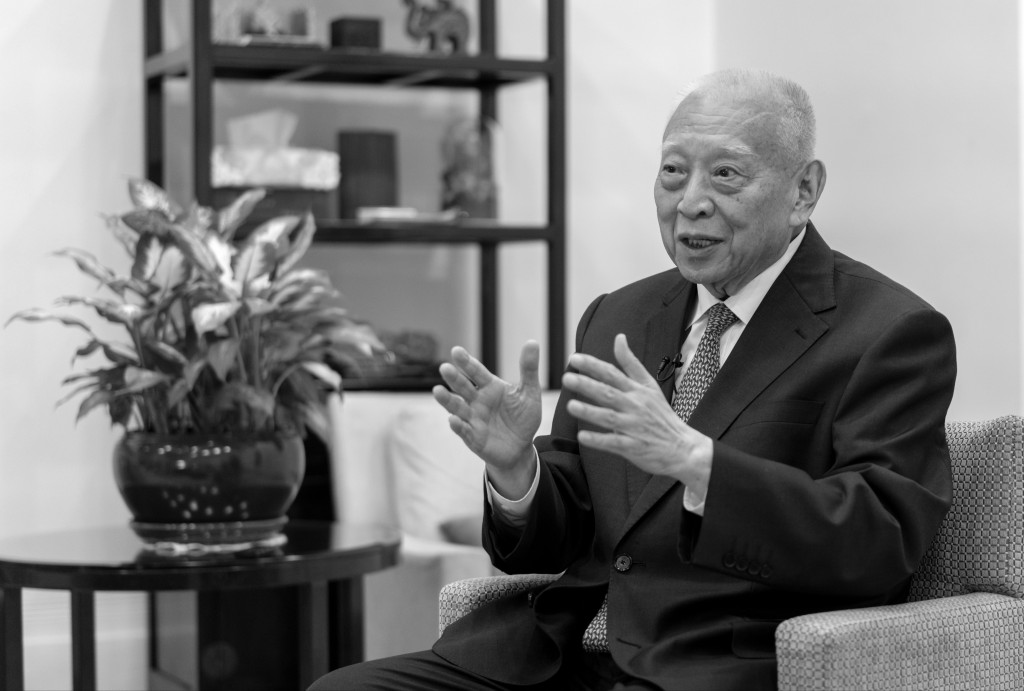
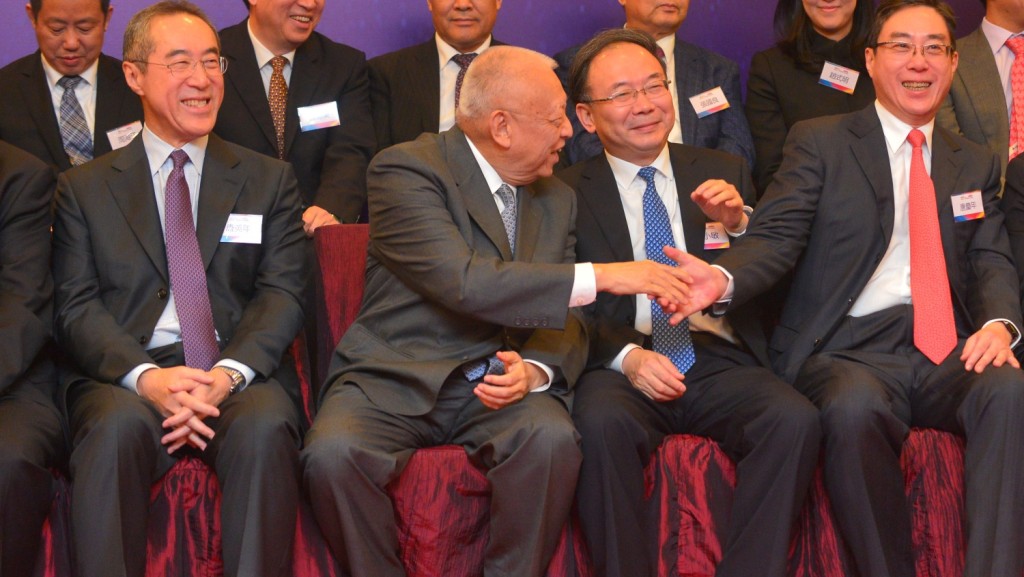
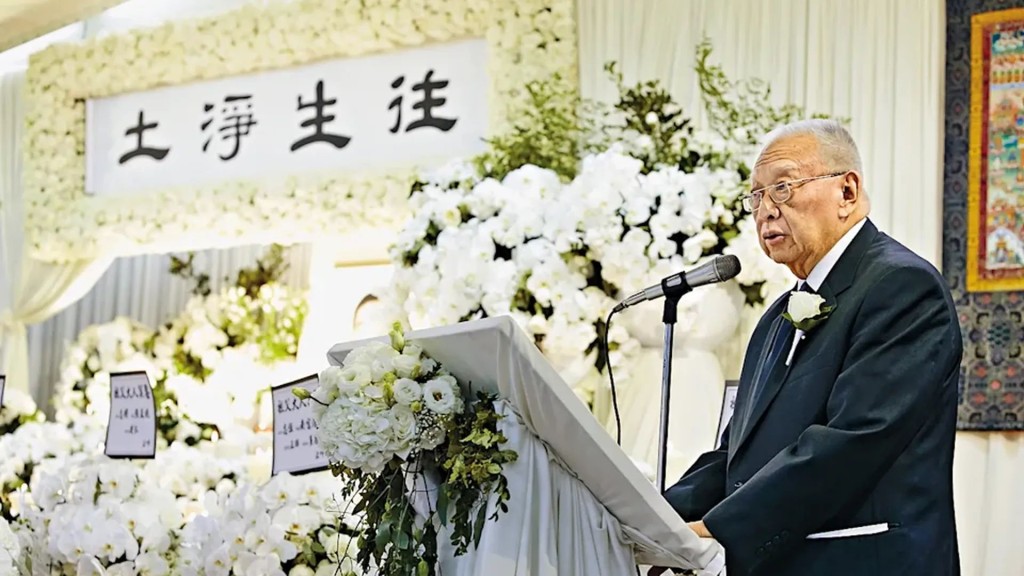
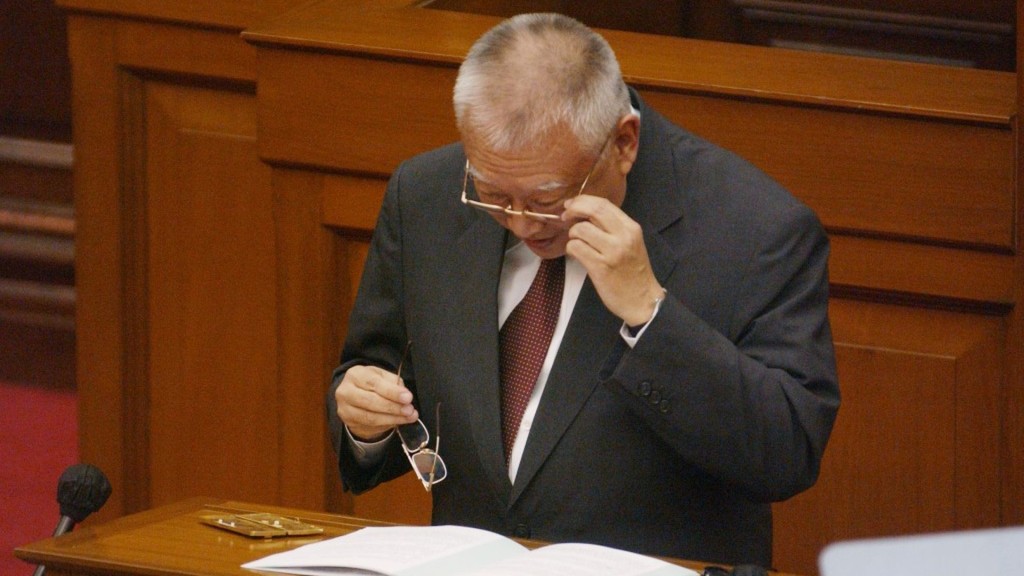
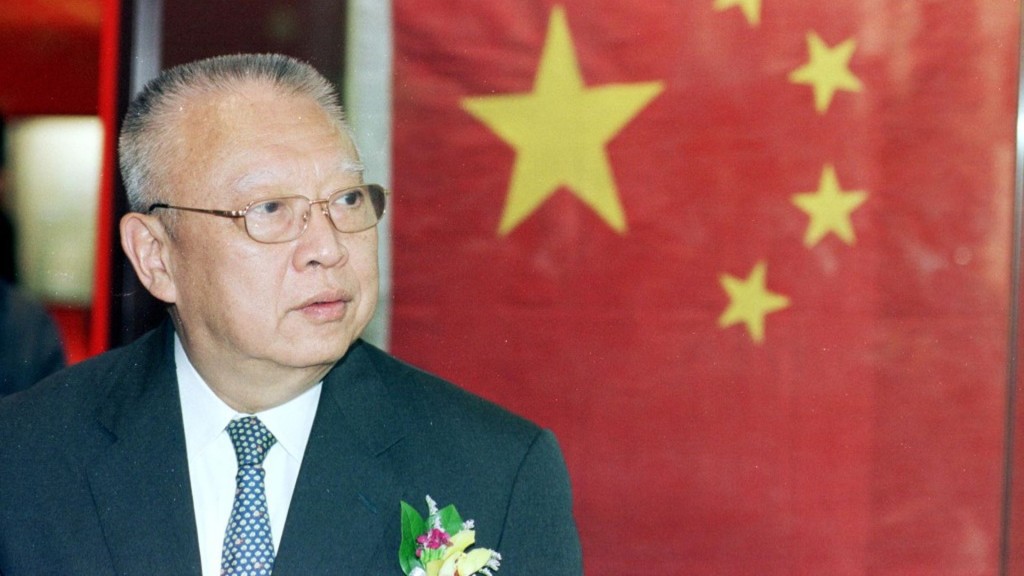
Meanwhile, former chief executive Tung Chee-hwa said dropping the political divide and embracing national development will lead Hong Kong out of the current turbulence.
In a speech made in a working conference of Our Hong Kong Foundation, a think tank he co-founded, the CPPCC deputy chairman said Hong Kong has been consumed in endless internal struggles over the past few years.
“Hong Kong is blessed with unique institutional advantages and has the most international business environment in China. However, Hong Kong has been caught in endless internal struggles due to political disputes, which seriously slowed down the city’s development,” Tung said.
He suggested Hong Kong should integrate into national development to revive the city’s economy.
It is an absolute misunderstanding that Hong Kong will lose its unique status and functions if it integrates into the development of the Greater Bay Area, Tung said.
“As the most open city in China, Hong Kong should make full use of its advantages and cooperate with the national policy of achieving a win-win result through openness and cooperation,” Tung said.
He stressed that President Xi Jinping is a far-sighted leader and his leadership is a blessing to Chinese people.