Read More
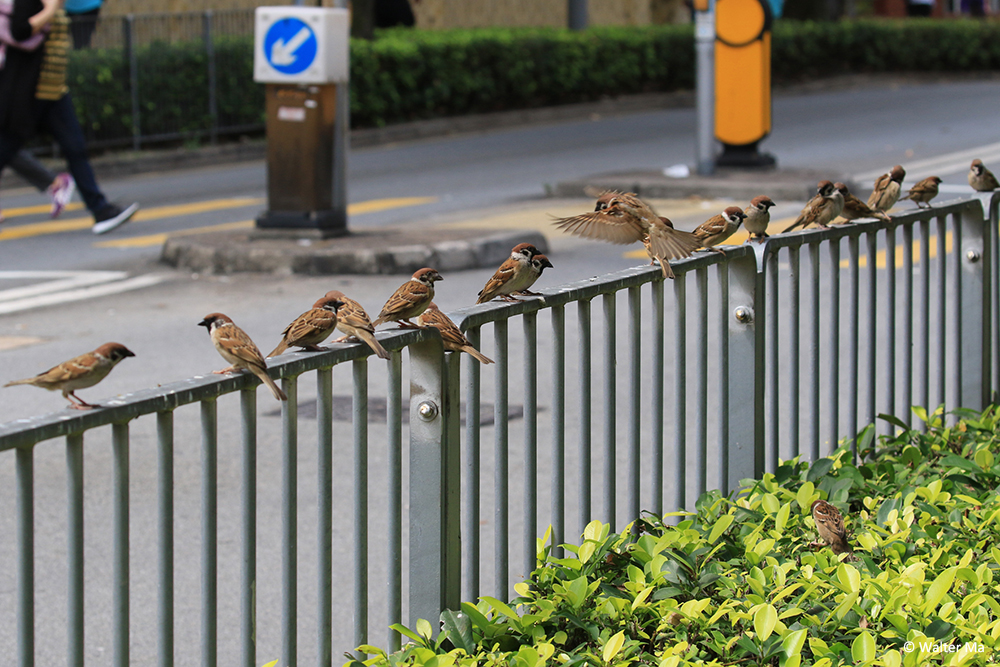
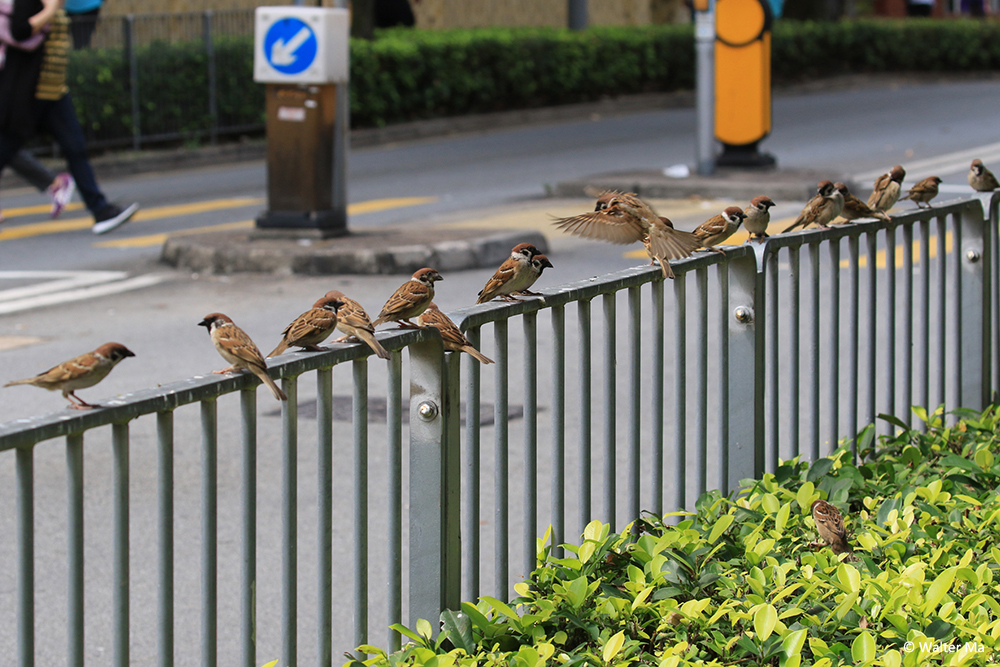
Hong Kong's population of sparrows in urban areas has remained stable at 260,000, an annual census by a birdwatching group says.
ADVERTISEMENT
SCROLL TO CONTINUE WITH CONTENT
The Hong Kong Bird Watching Society estimated the numbers of Eurasian tree sparrow for the fifth consecutive year.
In 2018, the annual count found 250,000 sparrow, and in 2019 the numbers were reivised to 245,071, following errors.
Dr. Pang Chun-chiu, senior research specialist of the group said the group has not noticed any widespread and significant impact of the coronavirus on the sparrow population this year yet, “as their number remain considerably stable since our first census in 2016.''
But fewer sparrows had been seen in parks and commercial areas, because fewer people are going to these locations als also because many restaurants and shops are close. This might mean less food being offered to birds by people.
The group urges people not to feed any wild birds, because this would not only worsen the public hygiene, but also birds relying too much on human food sources would disturb the ecosystem and change feeding habits.
The bird watchers surveyed sparrows following 87 routes in all 18 districts, the group says. Six types of lands were covered in the census, including residential, industrial, commercial, recreational, agriculture and village areas.
Birds newly introduced to the census included red-whiskered bulbul, spotted dove, oriental magpie robin and red-billed blue magpie, the group says.
The census estimated that there are 65,000 red-whiskered bulbul, 58,000 spotted dove, 18,000 oriental magpie robin and 2,000 blue magpie living in urban Hong Kong.
The group says that census results also show that sparrow, oriental magpie robin, spotted dove and red-billed blue magpie preferred residential and recreational areas, while red-whiskered bulbul preferred villages.-Photo: Hong Kong Bird Watching Society