
Read More




Morning Recap - April 8, 2026
49 mins ago




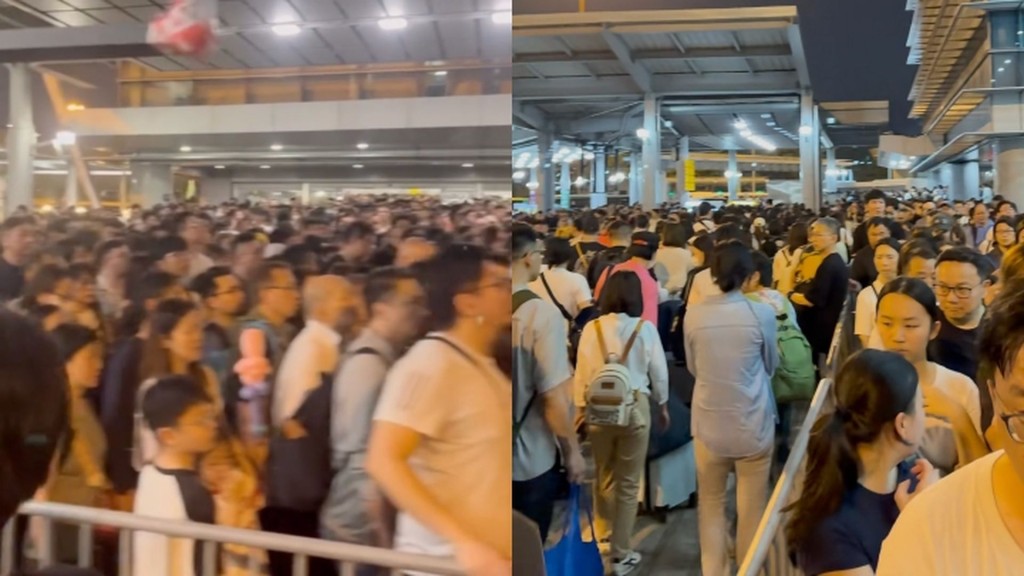
Long queues at border checkpoints as Easter holiday travellers return to HK
07-04-2026 02:45 HKT
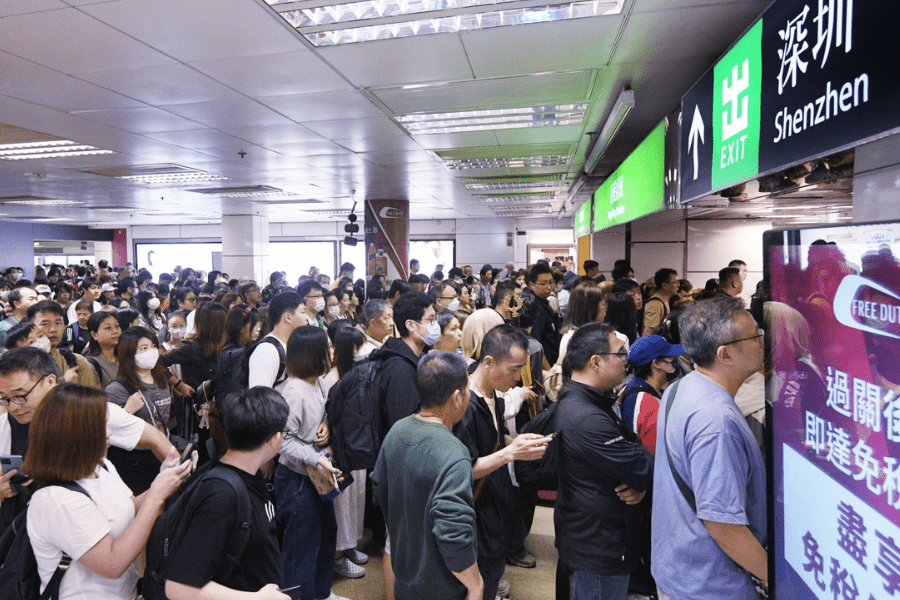
Nearly 1.26mn Hongkongers hop out of town, with 225,000 crossings by 10am
05-04-2026 17:11 HKT
An infectious diseases expert agreed today with local trade unions that there is no need to shut down the Kwai Tsing Container Terminal despite a growing cluster of coronavirus cases, RTHK reports.
The number of confirmed patients at the terminal almost doubled on Sunday to 63 – most of them being employees of Wang Kee Port Operation Services.
Chinese University expert Professor David Hui said workers likely were infected from communal facilities at the terminal where workers rest and sleep, or directly from crew members from ships docked at the port.
He thinks it's enough to just suspend the operations of the affected firms, disinfect the facilities, and test all potentially exposed terminal workers.
"Closing the terminal is quite a big problem for Hong Kong, because a lot of the cargo actually bring in a lot of useful materials for Hong Kong. If you close the whole cargo terminal, there will be a lot of products that we are not able to get access to. So I think we just need to close the resting rooms and associated [companies] that have been confirmed to have the cases."
Trade unions gave a similar assessment.
The chairman of the Container Transportation Employees General Union, Chan Dik-sau, said besides a thorough clean-up, companies at the terminal should provide more resting rooms for workers, and implement new measures to ensure adequate social distancing.
Chan noted that at the moment, freight workers can work for between 24 and 72 hours, and they can share rooms with dozens of others during rest periods.
He also urged the authorities to give HK$10,000 in emergency funds to employees of Wang Kee who have been ordered to undergo a 14-day quarantine, noting that they are paid by the day and as such would not earn anything.
An organizer from the Confederation of Trade Unions, Wong Yu-loy, also said it's a good opportunity for companies to improve staff resting rooms.
Wong said many workers sleep on bunk beds at these facilities, and there are usually at least 20 people inside at any one time – increasing the risk of cross-infection.
He said there should be some changes in the schedules to allow for these communal rooms – which are open 24-hours a day – to be disinfected.
He added that there should also be a limit placed on how many people can be there at any one time.