Read More
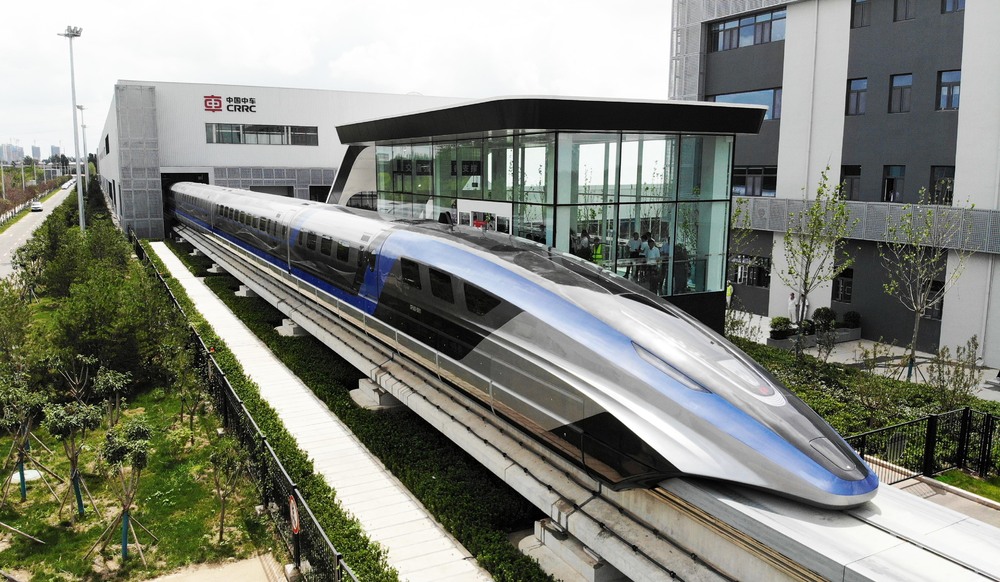
Travel time between Guangzhou and Hong Kong could be shortened to 30 minutes under a plan for a route for maglev trains with speeds of up to 650 kilometers an hour.
ADVERTISEMENT
SCROLL TO CONTINUE WITH CONTENT
The plan would see a circle between Hong Kong, Shenzhen and Guangzhou, said Chen Xiangsheng - an academician at the Chinese Academy of Engineering and dean of the College of Civil and Transportation Engineering at Shenzhen University - at a weekend forum in Guangzhou.
Chen said the project is needed as passenger flow density between Guangzhou, Shenzhen and Hong Kong will reach 260 million people by 2035.
High-speed trains from West Kowloon to Guangzhou South travel at 200kph, with the trip lasting 48 minutes. Chen said maglev trains could reach Guangzhou in 30 minutes.
Plans include departing from Guangzhoudong, Zhujiang New Town and Guangzhou, with the preferred option being Guangzhoudong, Dongguan Guancheng and Shenzhen Xiangmihu district.
"All options would extend to Guangzhou Baiyun International Airport in the north and Hong Kong Kowloon in the south," Chen said.
An electric levitation test system developed by manufacturer CRRC Changchun Railway Vehicles completed its first operation in March, laying the foundation for further engineering applications.
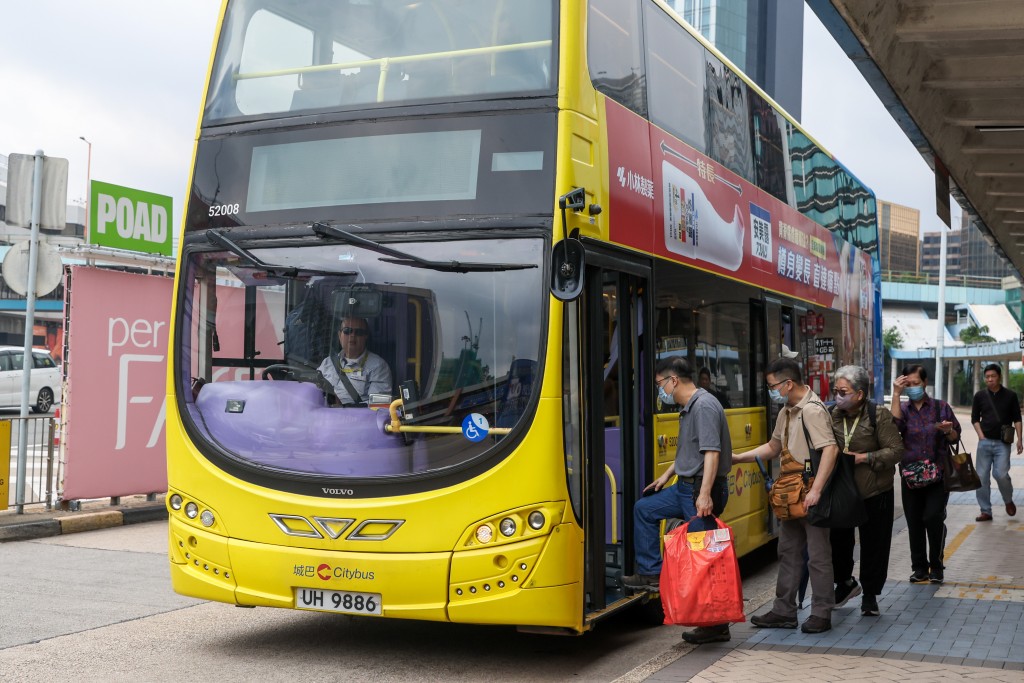
Meanwhile, the Hong Kong administration moved away from the idea of an elevated mass transit rail system in the Hung Shui Kiu-Ha Tsuen new development area in Tuen Mun. Environmentally friendly buses or trolleybuses will instead be used.
In a report to Tuen Mun District Council, experts from the Civil Engineering and Development Department said a road-based mode has greater flexibility in adjusting routing and service frequencies to cope with the phased development of the area and transport needs at various times.
"The stations of green road-based mode are mainly at-grade," the report said. "Compared to the elevated green rail-based mode they are more accessible, have a lower visual impact and can be better integrated with the environment."
Additionally, journey times of the green road-based and green rail-based modes are comparable, but the cost of the green mode is less. The department suggests the green mode be separated from other road traffic at major junctions to achieve smooth traffic flow.
But legislator Michael Tien Puk-sun pressed on with pushing an elevated mass transit rail system, saying a road-based mode could not meet the daily travel demands of 200,000 people and could obstruct other transport.
And lawmaker Gary Zhang Xinyu is concerned the overall cost of a road-based mode may not be lower than that of a rail system, plus additional reinforcement works would be needed on top of maintenance costs.
stacy.shi@singtaonewscorp.com
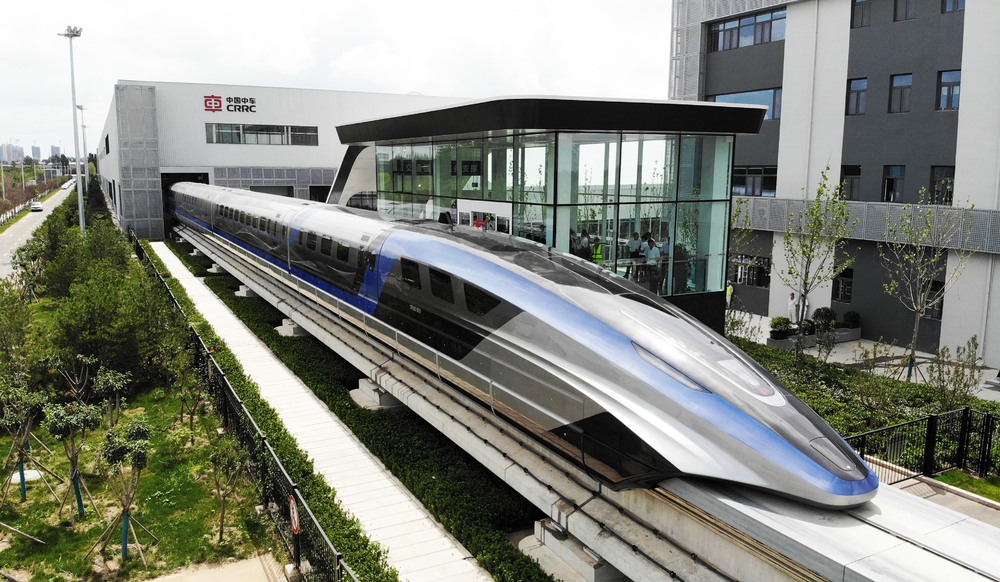
A maglev train in Qingdao, Shandong. XINHUA