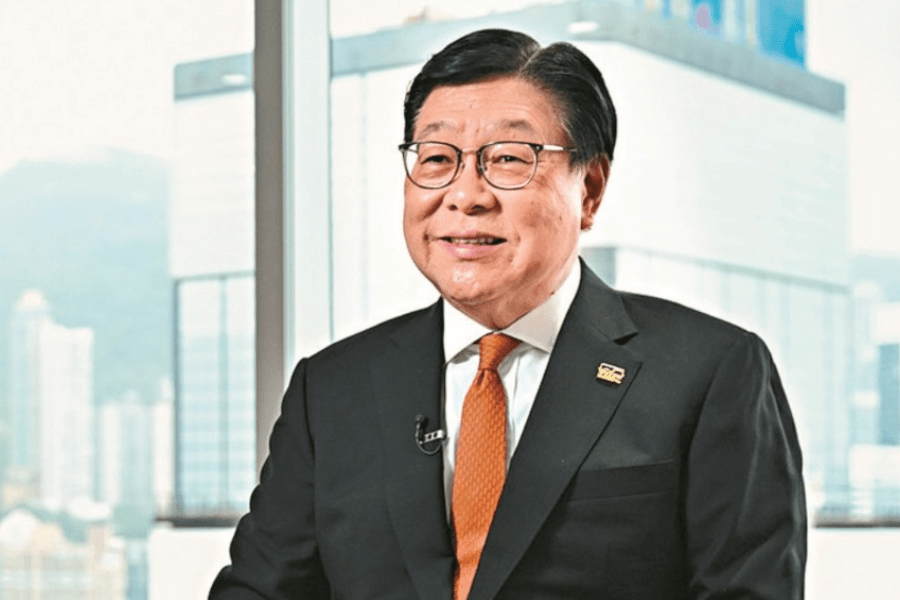
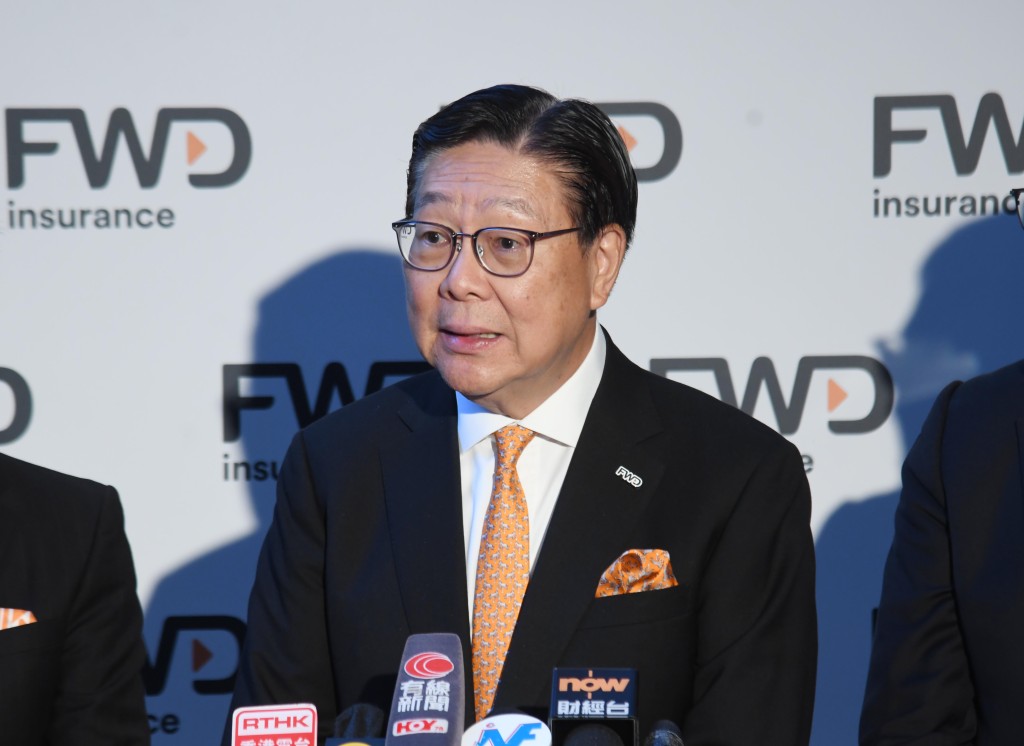
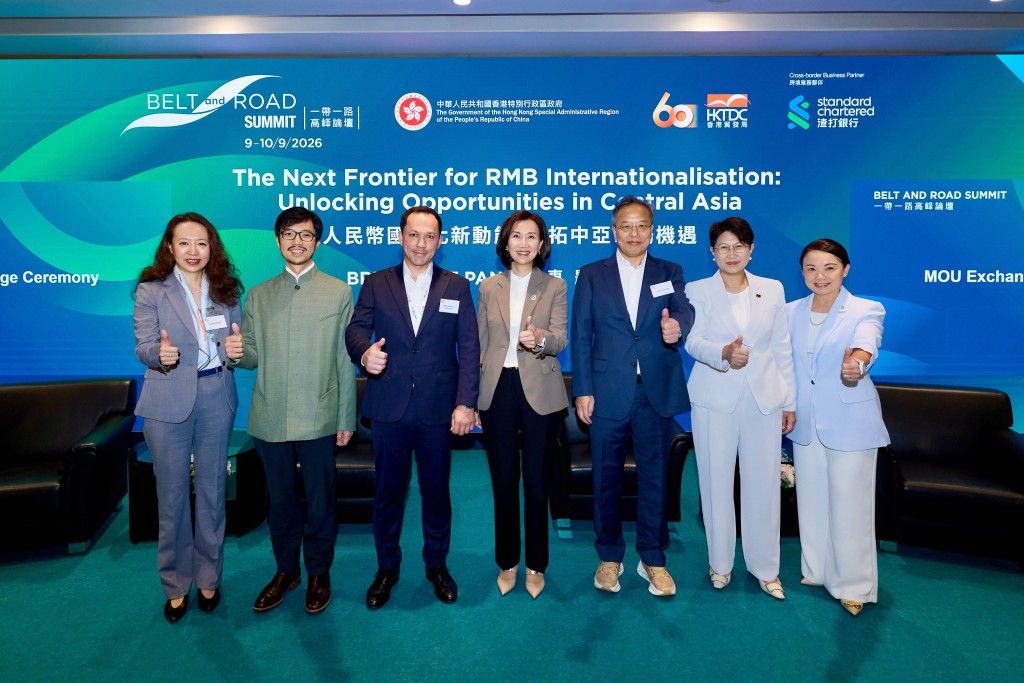
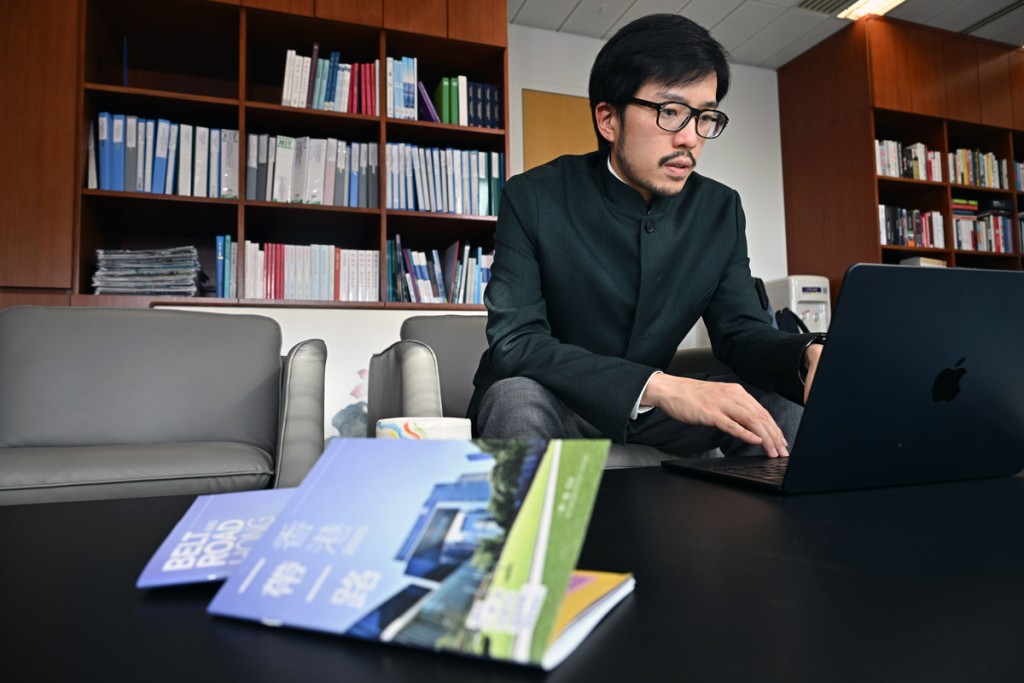
As Hong Kong taps into Central Asia opportunities, Hong Kong Trade Development Council (HKTDC) is weighing an upgrade to its Almaty consultant office to strengthen direct government and business links, said chairman Federick Ma Si-hang.
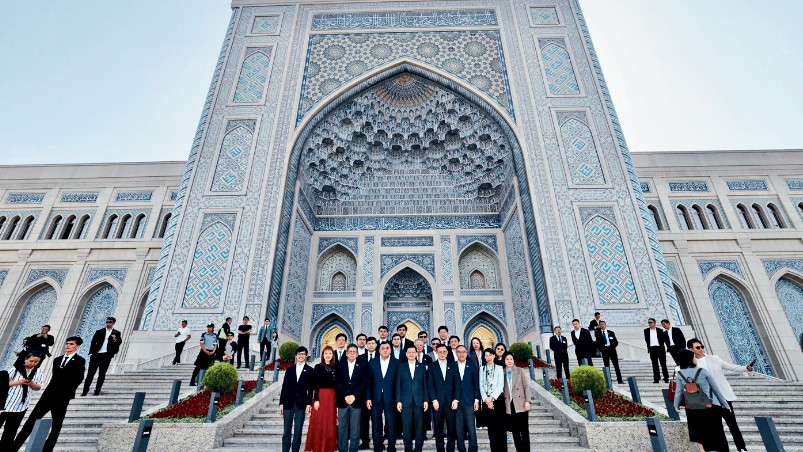
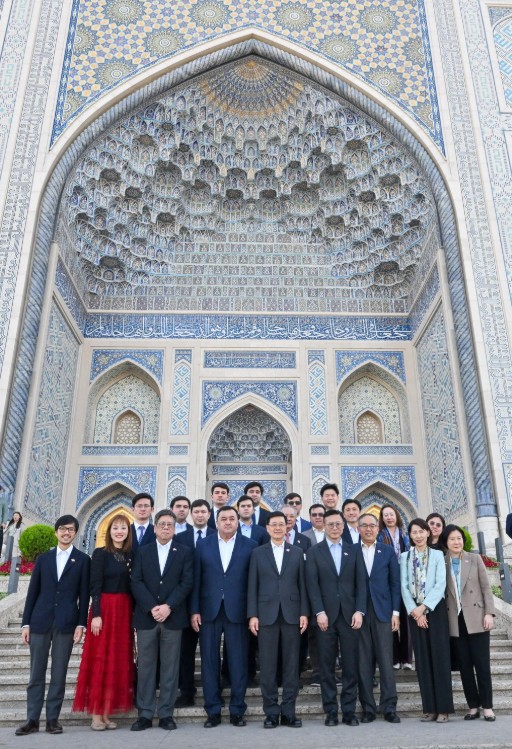
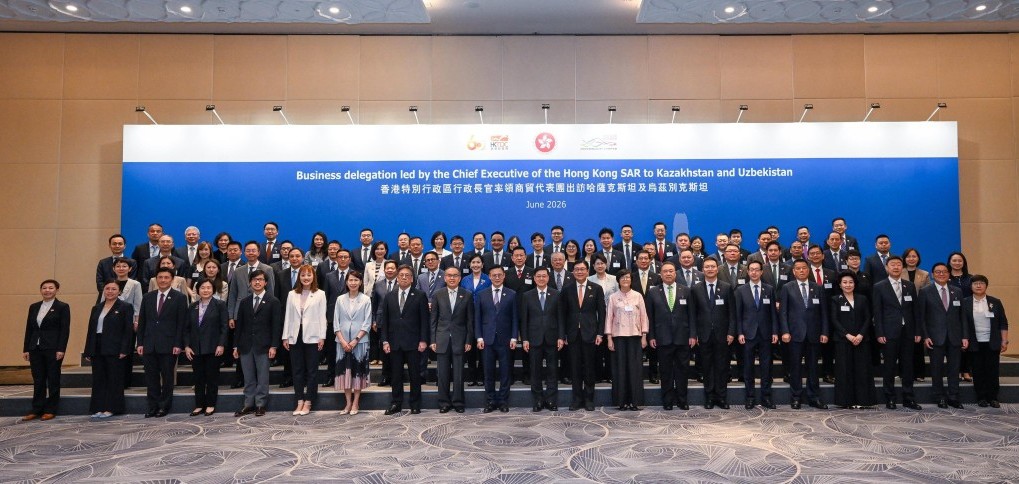
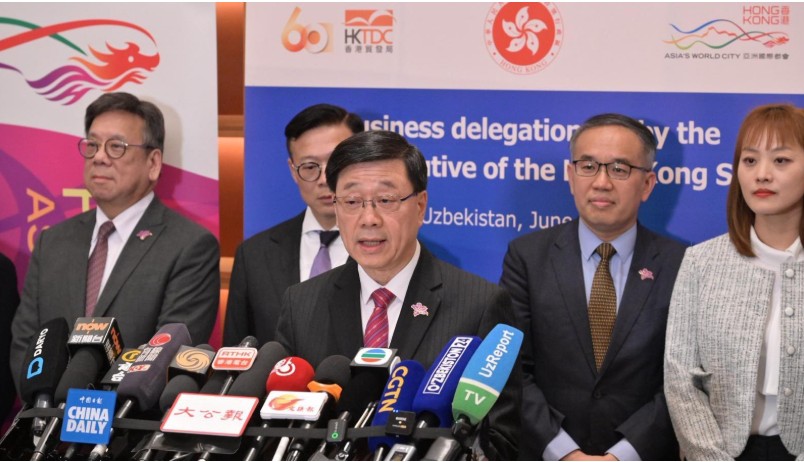
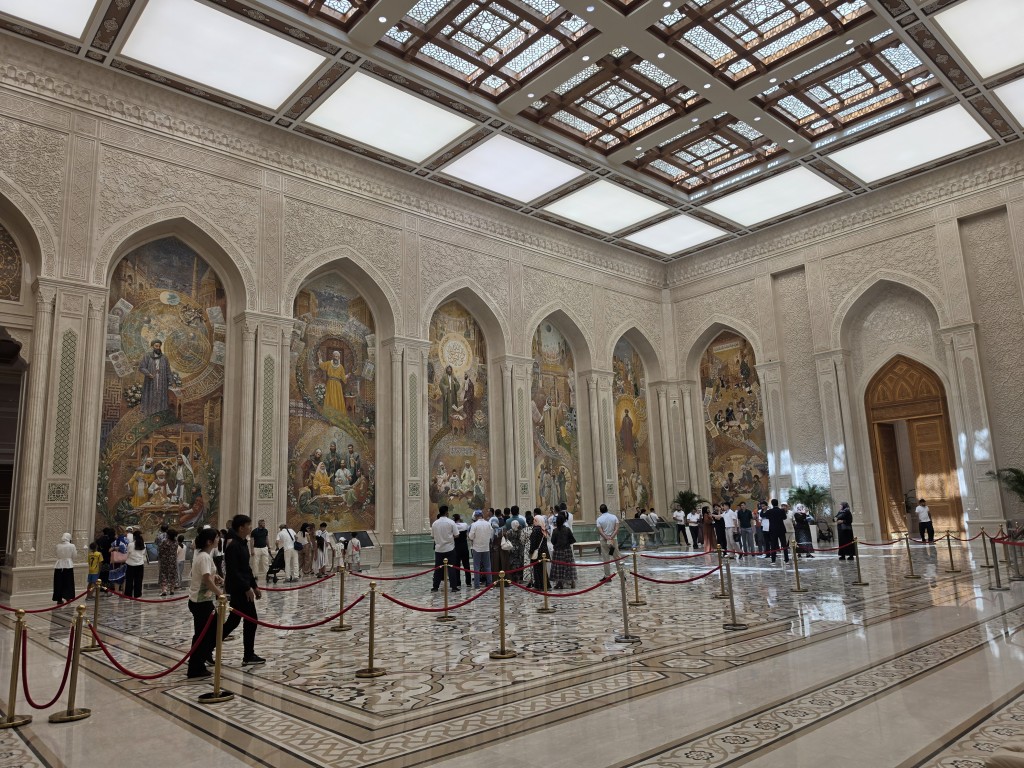
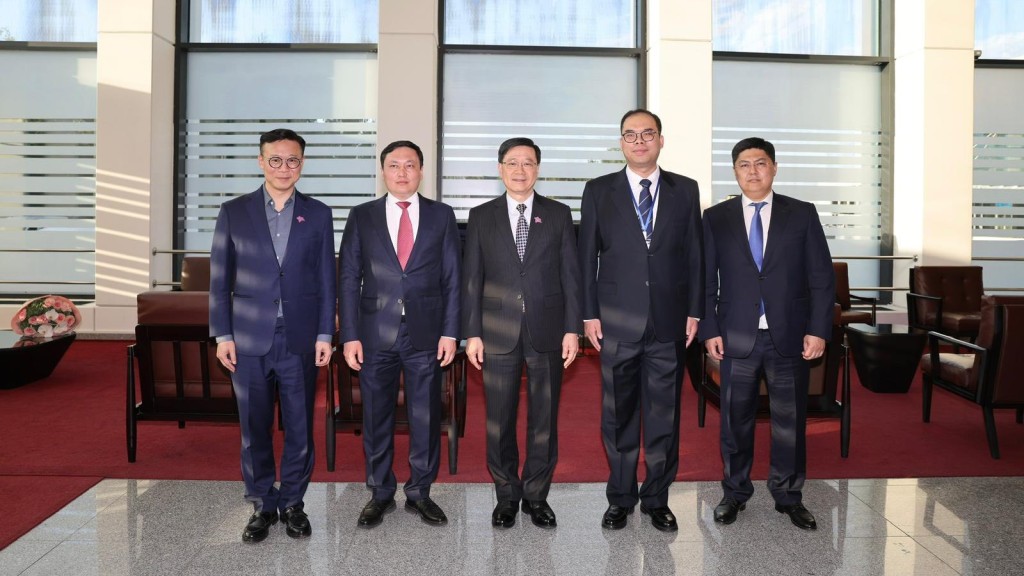
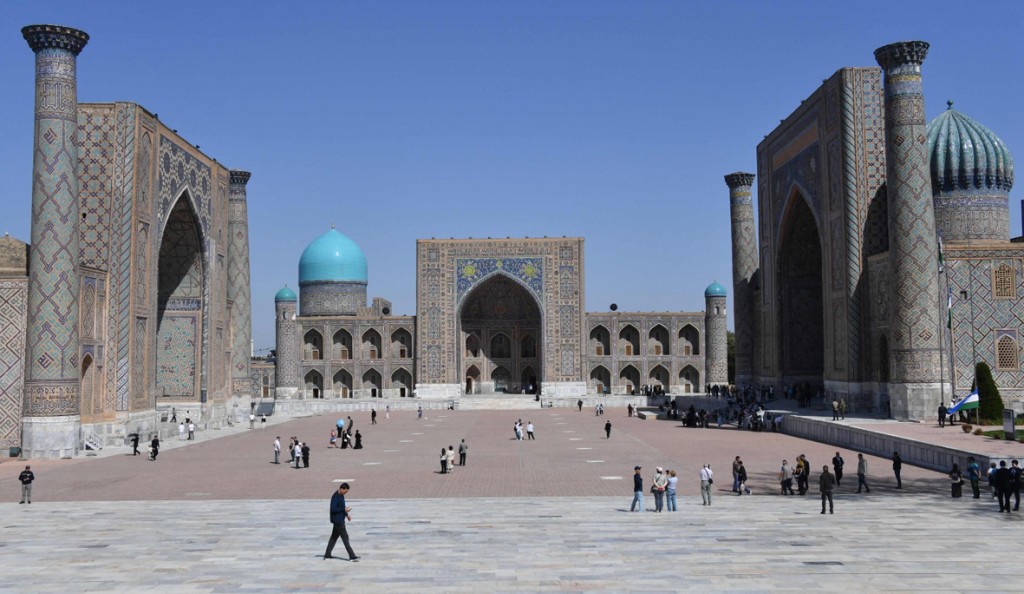
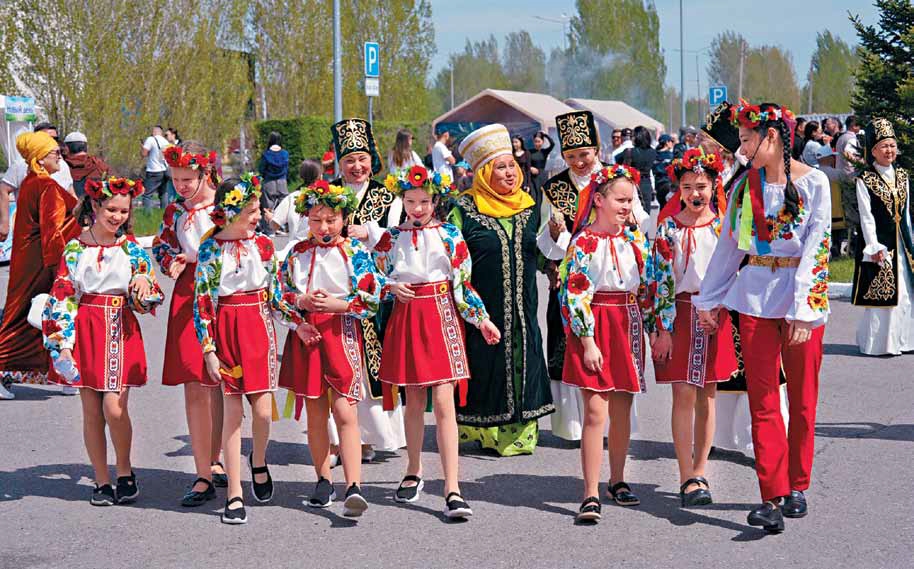
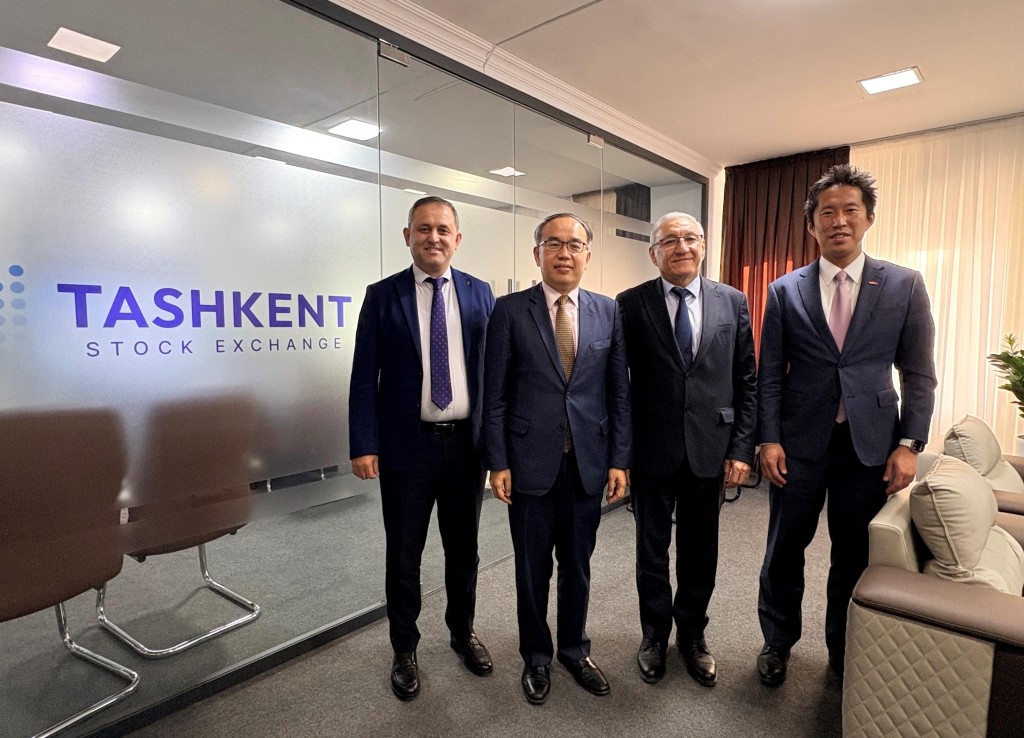
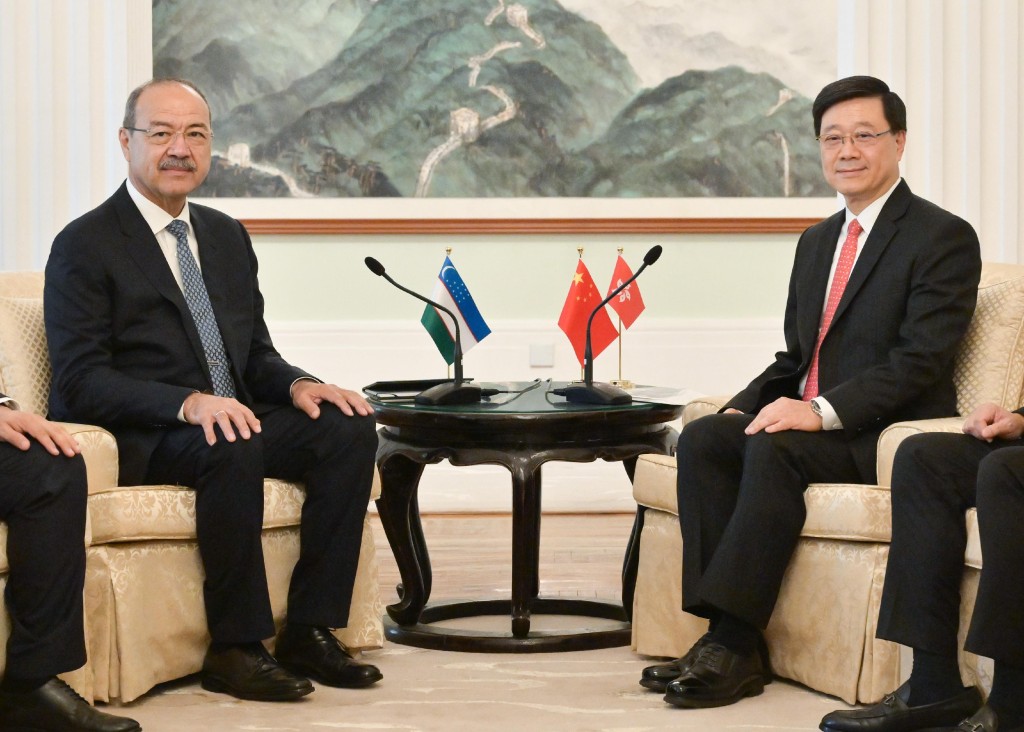
Ma's remarks came after a Central Asia business delegation led by Chief Executive John Lee Ka-chiu, which included about 30 notable mainland companies like Dongfeng Motor and Zijin Mining Group, as well as prominent Hong Kong industrial and commercial representatives to visit Kazakhstan and Uzbekistan.
Speaking on a radio program on Sunday, Ma called the trip "highly successful," saying it showcased Hong Kong's business opportunities to emerging markets while helping mainland firms go global.
Amid Middle East instability, Ma said large capital has flowed into Uzbekistan due to Central Asia's stable political environment, driving up local property prices by around 30 percent.
In addition to the Belt and Road initiative, which was announced by President Xi Jinping in Kazakhstan as early as 2013, he noted the enterprises were offered reassurance with the long-time close regional ties for business operations.
HK to shoulder enterprises to go global
Citing Hong Kong's unique role as a "super connector," Ma noted strong demand from mainland enterprises to set up bases in the city, utilizing its legal, accounting, and banking services to expand internationally. He said supporting mainland firms overseas would create a win-win situation by boosting demand for Hong Kong's professional services, adding that the HKTDC is working with other GoGlobal Task Force members on this effort.
Upgrade for Almaty office on the table
Ma recalled an earlier visit to Dubai, where he met Huawei representatives who had already spent about seven years building operations there.
He believed some mainland companies already have strong overseas capabilities, but many newer firms still lack experience integrating with international markets, posing new responsibilities for the HKTDC to take on in helping them enter international markets.
He revealed that the HKTDC is considering upgrading its current Almaty consultant office into a fully staffed formal office to strengthen direct links with local political and business communities.
As for the city's role in the Greater Bay Area, Ma noted that the government is currently promoting the development of the Northern Metropolis to support innovation and high-value industries.
Active outreach to emerging markets
In response to challenges such as the tariff war and complex geopolitics, Ma noted that China is actively building alliances and running strong diplomatic efforts.
However, he stressed Hong Kong must also pursue emerging markets, including ASEAN, the Middle East and Central Asia, while keeping traditional markets in the UK and the European Union.
He compared developments in 2006 with his recent visit to Kazakhstan and Uzbekistan, where modern high-rises, retail hubs and five-star hotels — alongside steady progress in finance and the wider economy — have been established in a short period of time.
With rich oil and mineral resources, Ma stated that this creates an ideal moment for Hong Kong to play its "super connector" role to help these countries expand outward.
Commenting on the city's economic outlook, he reported a 30 percent increase in exports in the first quarter, boosted by AI-related investment and the influence of previous ASEAN delegations.
Still, he remained cautious for the second half of the year, citing uncertainties in higher oil prices, a high-interest-rate environment, and risks of a global economic slowdown.