Read More








Night Recap - April 3, 2026
16 hours ago


Iran demands transit fees in yuan, stablecoins for Strait of Hormuz passage
03-04-2026 02:45 HKT
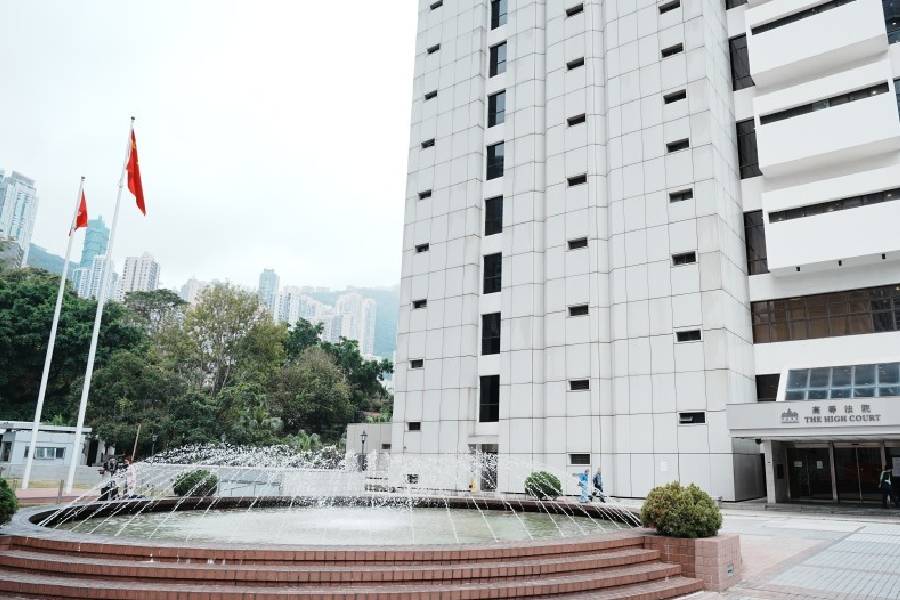
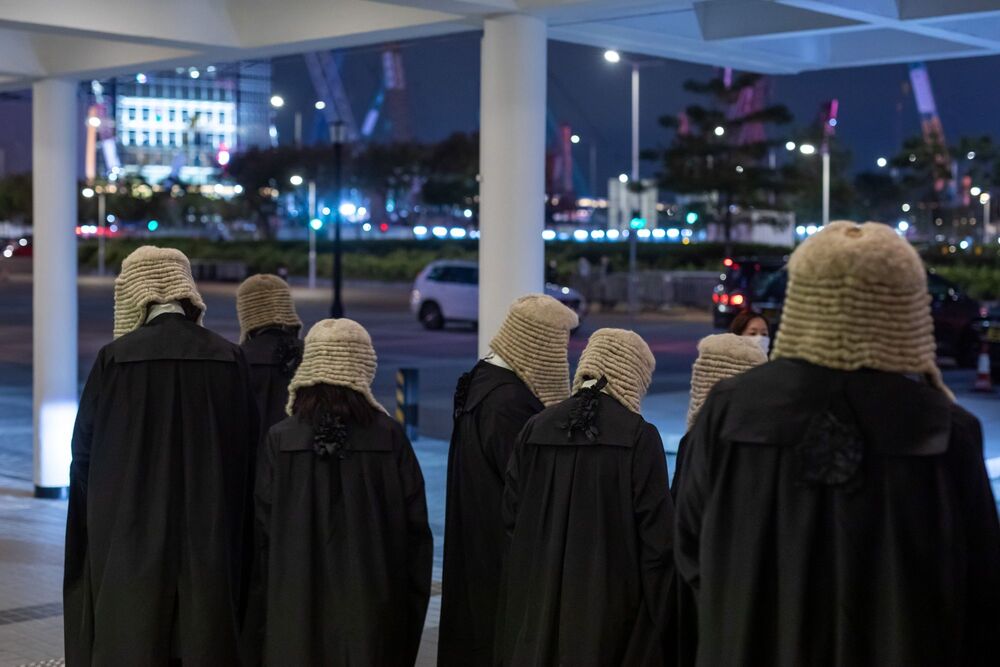
A bill allowing the city's chief executive to decide whether overseas lawyers without full practice in Hong Kong can participate in national security trials was cleared by the legislature yesterday.
Lauding the bill for its "leniency," lawmakers passed the bill by a show of hands, without official records on the number of votes.
Legal sector lawmaker Ambrose Lam San-keung, who wanted a blanket prohibition against overseas counsel, said foreign lawyers could still exploit loopholes in the legislation.
The Legal Practitioners (Amendment) Bill 2023 was introduced into the Legislative Council in March.
According to the newly passed law, overseas counsel must obtain permission from the chief executive before applying to represent a client in a national security case. Courts will then seek a formal certificate from the chief executive on whether or not the lawyer's participation will compromise national security.
Only then will courts be able to admit an overseas lawyer in a national security case.
Yesterday's passing of the bill followed Chief Executive John Lee Ka-chiu's invitation of Beijing's National People's Congress to interpret the national security law in December last year.
That followed failed legal bids by the government to block London-based barrister Timothy Owen from representing Jimmy Lai Chee-ying, founder of defunct Apple Daily newspaper, in his national security trial.
Secretary for Justice Paul Lam Ting-kwok said the bill will effectively implement the NPC's interpretation and contend with potential national security threats.
Lam said the newly approved bill will "still be more open and lenient" than the laws of most other jurisdictions. He added: "The vetting system will strike a balance between allowing overseas counsel and safeguarding national security."
Bills committee chairman Ma Fung-kwok said overseas lawyers might gain access to classified records such as national security police investigation reports, which he said would be "of interest to national intelligence agencies." Ma said overseas lawyers would be unable to fully grasp the national security law, which was originally written in Chinese, adding that they would not understand the city's social climate.
Election Committee lawmaker Priscilla Leung Mei-fun, a law teacher at City University, said Hong Kong has a sufficient pool of legal talent and both the Department of Justice and clients should cut down on outsourcing legal representation.
She said the bill showed the city was "very tolerant" and that one country, two systems is a "very lenient" system, adding she understood why the bill did not impose a blanket ban on overseas counsel.
But Ambrose Lam, likening the bill to an "unlocked chicken coop," said he was disappointed that a blanket-style prohibition was not imposed. He said loopholes could still be exploited with the position of "goalkeeper" simply transferred from the courts to the chief executive, with the Department of Justice as a "defender."
Lawmaker Tik Chi-yuen said the criteria due to be adopted by the CE in his vetting process should be made public for the sake of transparency.
Eunice Yung Hoi-yan of the New People's Party reiterated it will be difficult for law enforcement agencies to pursue overseas lawyers who violate the confidentiality clause after they return to their home country.
cjames.lee@singtaonewscorp.com