





Read More





Night Recap - April 1, 2026
4 hours ago








Six senior counsel appointed
31-03-2026 13:54 HKT

Approval granted for Kai Tak’s six-stop Smart & Green Mass Transit System
31-03-2026 16:27 HKT
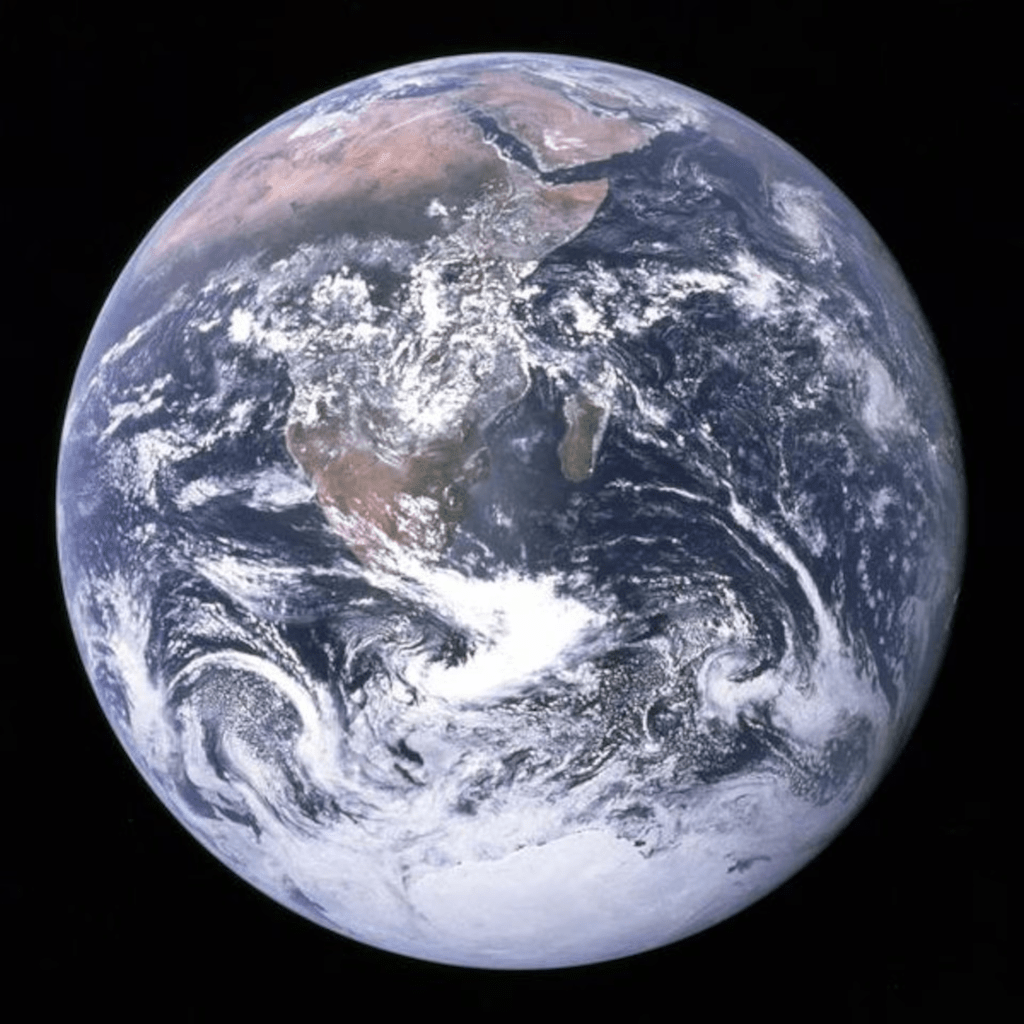
Scientists are puzzled by an unexpected phenomenon: Earth is rotating faster than usual, making some of the shortest days on record. On July 9, 2025, the planet will complete its spin 1.3 milliseconds faster than the standard 24-hour day. While this difference is imperceptible to humans, it has researchers searching for answers.
The International Earth Rotation and Reference Systems Service (IERS) monitors Earth’s rotation with extreme precision. Since 2020, they’ve observed a puzzling trend—our planet’s spin is accelerating. The shortest days of 2025 are predicted to occur on July 9, July 22, and August 5, coinciding with the Moon’s farthest position from the equator.
The Moon’s gravity creates a tidal braking effect, slightly slowing Earth’s rotation over time. Normally, this process lengthens our days by about 2 milliseconds per century. For instance, during the Triassic Era (200 million years ago), a day lasted under 23 hours, and in another 200 million years, it will stretch to 25 hours.
However, when the Moon is farther from the equator, its braking effect weakens, leading to slightly shorter days. Yet, recent measurements show Earth spinning half a millisecond faster than pre-2020 levels—a shift that defies typical patterns.
While major events like earthquakes can alter Earth’s rotation (the 2011 Japan quake shortened the day by 1.8 microseconds), scientists remain unsure why the planet is consistently speeding up. Possible theories include:
The difference is too small to impact daily life, but it has forced timekeepers to adjust. The IERS skipped a leap second in 2025 and may need to remove another by 2029 if the trend continues.
Experts believe this acceleration is likely a short-term fluctuation, and Earth will eventually return to its gradual slowdown. For now, the mystery remains—why is our planet in such a hurry?
One thing’s certain: Time, as we measure it, is more dynamic than we think.