Read More


HK braces for natural gas shortage
3 hours ago

Morning Recap - April 2, 2026
4 hours ago






Six senior counsel appointed
31-03-2026 13:54 HKT



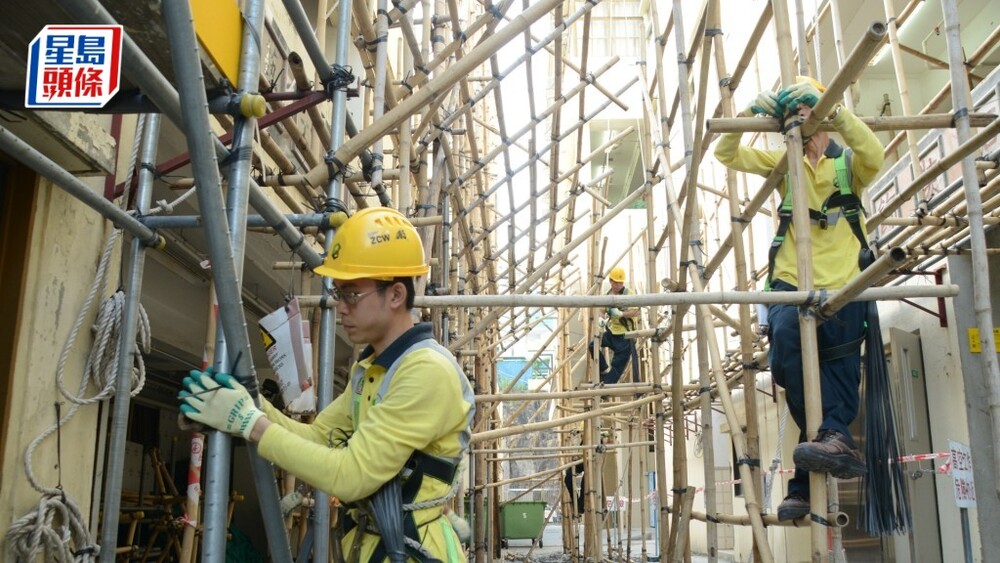
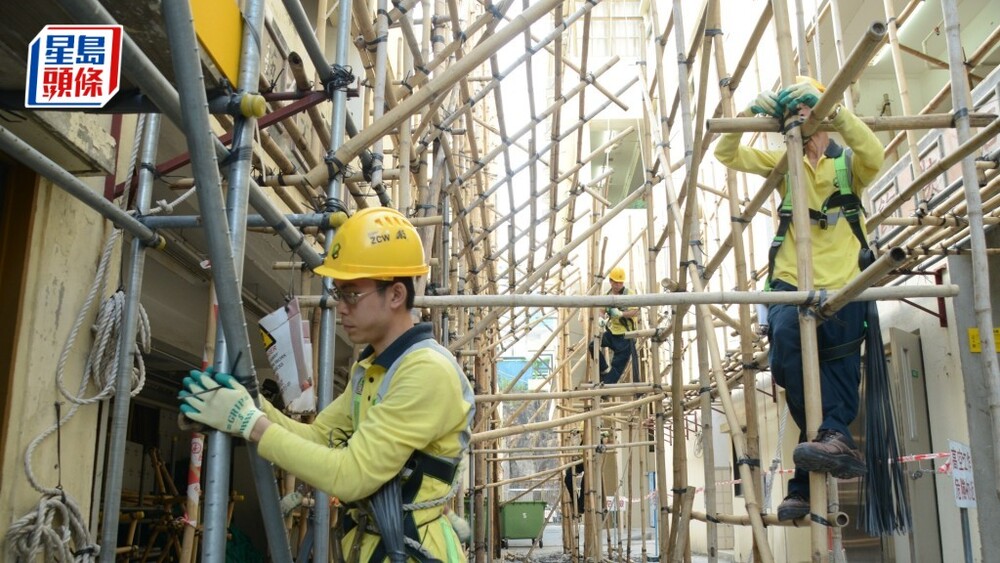
Future public works tenders will request that at least half of the scaffolding used by construction contractors must be metal, instead of the current practice of using 100 percent bamboo scaffolding.
Chairman of the Hong Kong and Kowloon Bamboo Scaffolding Workers Union (Tung-king) Ho Ping-tak told Sing Tao Daily, The Standard’s sister publication, that he received the order during a phone call from the Development Bureau on Monday night.
“The bureau specified that projects already approved will not be affected, nor will this change apply to the Housing Society’s projects.”
“However, future tenders will implement this requirement, although no specific timeline has been provided,” he noted.
Ho indicated that there are over 4,000 bamboo scaffolding workers with intermediate and advanced licenses and about 10,000 licensed metal scaffolding workers.
Currently, less than 20 percent of ongoing projects in Hong Kong use metal scaffolding, while 80 percent still rely on bamboo.
“Bamboo scaffolding is more flexible, workers can easily cut and adjust bamboo on-site as needed, so fewer workers can get the work started,” he said.
“In contrast, metal scaffolding consists of prefabricated components that require leveling and welding on-site, similar to building with blocks. Due to the heavier components, at least double the manpower is needed compared to bamboo scaffolding,” he noted, expressing concern that Hong Kong’s metal scaffolding workforce may not meet future demands.
Ho added: “Bamboo is lightweight, allowing a 60-year-old to continue working, while metal scaffolding workers often cannot after 60 due to the long-term physical strain.”
He said that the authority noted a potential workforce shortage for metal scaffolding could be addressed through an import labor program.
However, it did not clarify whether bamboo scaffolding will be completely replaced by metal scaffolding or if there will be a mandate for the private sector to adopt it.
Meanwhile, the Association for the Rights of Industrial Accident Victims welcomed the proposed changes, noting that the new adjustment could help reduce accidents related to scaffolding issues.
(Cheng Wong)