Read More

Amber rainstorm warning issued at 11am
11 mins ago

Night Recap - April 3, 2026
16 hours ago

Iran demands transit fees in yuan, stablecoins for Strait of Hormuz passage
03-04-2026 02:45 HKT
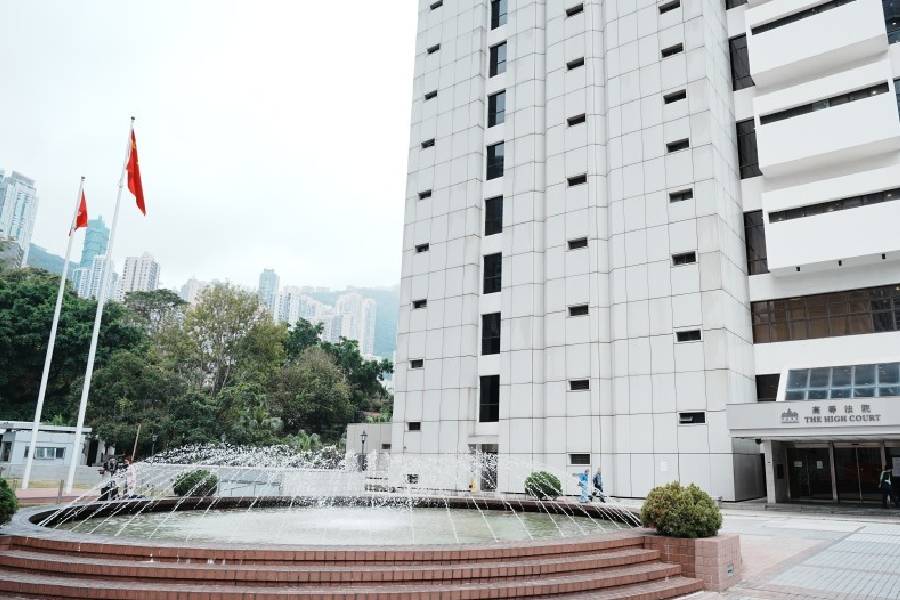
The Department of Justice has streamlined its prosecution of unrest-related cases by appointing the five deputy directors of public prosecution to oversee the cases to try to prevent oversight and prosecutors from ending cases easily.
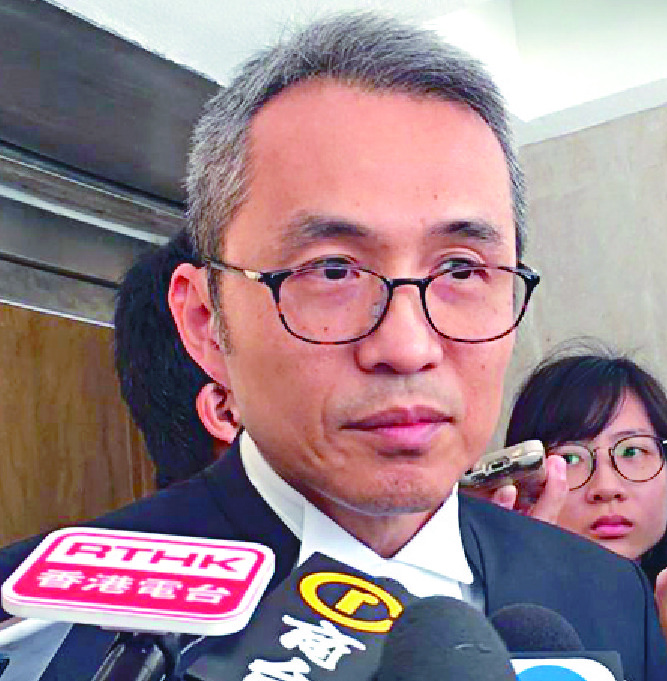
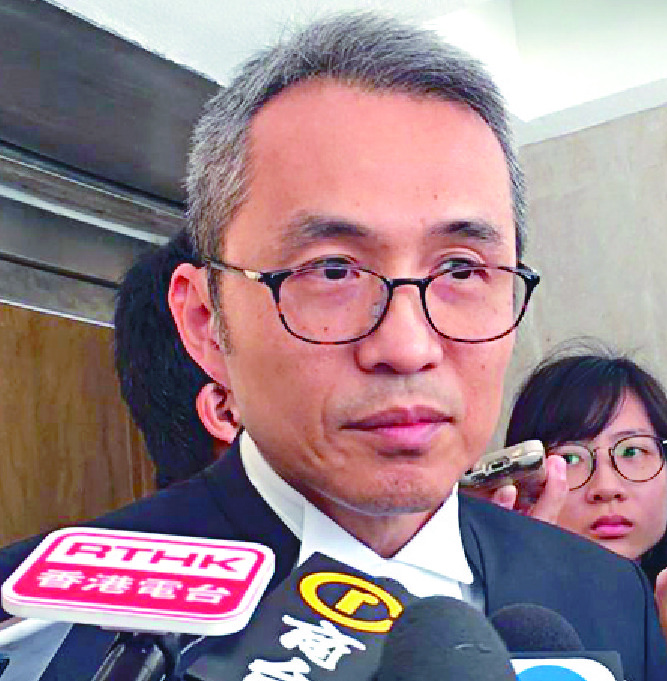
An internal e-mail issued this month by the Director of Public Prosecutions, David Leung Cheuk-yin, and seen by The Standard's sister paper Sing Tao Daily, said decisions involving the prosecution not offering evidence in unrest cases in court should be made only with the permission of the five deputy directors.
Leung will leave the prosecutions division on December 31.
It is understood that since the unrest last year, the department has offered no evidence against defendants in 190 cases involving possession of weapons and obstructing or assaulting the police.
In such cases, magistrates and judges can decide the defendant should be bound over. The question remains whether the defendants were let go too easily.
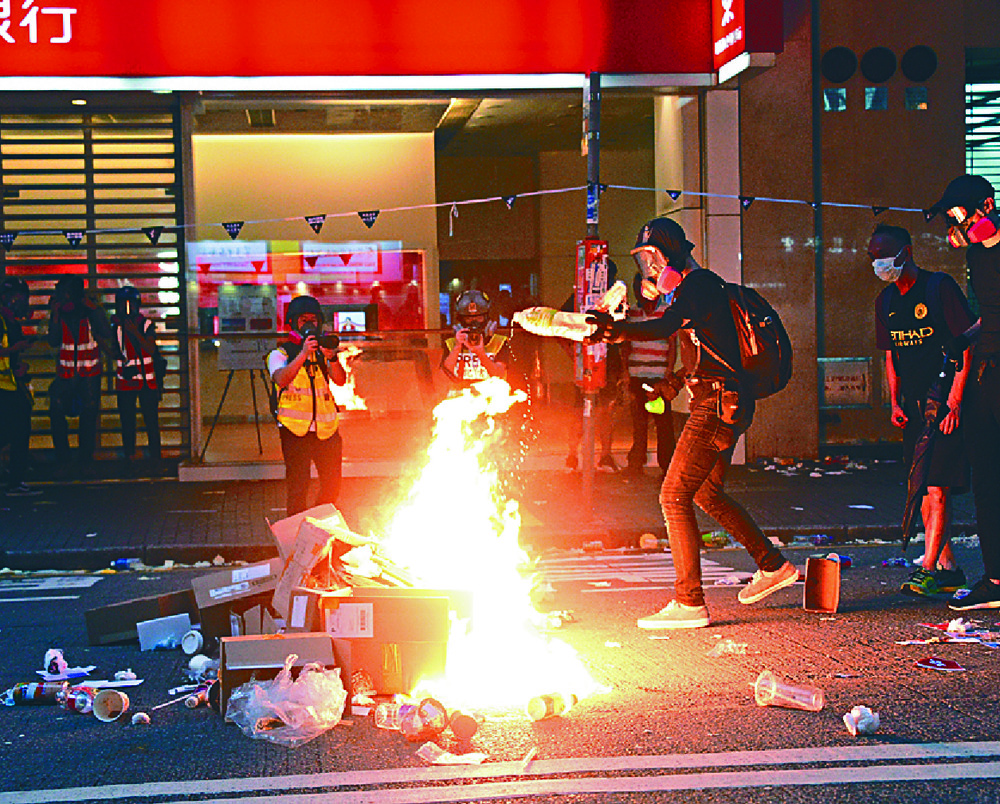
Since the fugitive bill protests broke out in June last year, the department has established a special team to handle unrest-related cases.
As the police arrested more than 10,000 people, the team has been overwhelmed and needs to pass certain cases involving possession of weapons to other colleagues.
Some colleagues, with the approval of their section heads, senior government counsel or senior assistant directors of public prosecution, decided to offer no evidence in some cases - attracting scrutiny of their peers.
With the latest arrangement, the decision of offering no evidence is centralized in the hands of a few people.
Sources told Sing Tao that on September 3 and 4, prosecutors and their superiors had decided not to offer evidence in two cases involving possession of weapons. They had planned to inform magistrates of the decision.
But following the internal e-mail, a deputy director looked into the cases and it was concluded that there was enough evidence to press on with them.
The two cases will continue and court hearings are being scheduled.
Under the department's prosecutions division, a special duty subdivision can handle cases related to the unrest and the national security law.
It is headed by the deputy director of public prosecutions, Maggie Yang Mei-kei. Working under her is senior assistant director of public prosecutions Anthony Chau Tin-hang.
Apart from that, another four subdivisions are all headed by a deputy director of public prosecutions.
The subdivision of policy and administration, in charge of human resources within the department, is headed by Paul Ho Wing-kwong. The advisory subdivision, headed by William Tam Yiu-ho, provides legal advice on criminal cases at different levels of court.
The other two subdivisions specialize in "advocacy and appeals" and commercial crime, headed by Vinci Lam Wing-sai and Alice Chan Shook-man.
staff.reporter@singtaonewscorp.com