Read More








Night Recap - May 28, 2026
5 hours ago



Boy, 13, dies after falling from flat in Tai Kok Tsui
28-05-2026 01:47 HKT


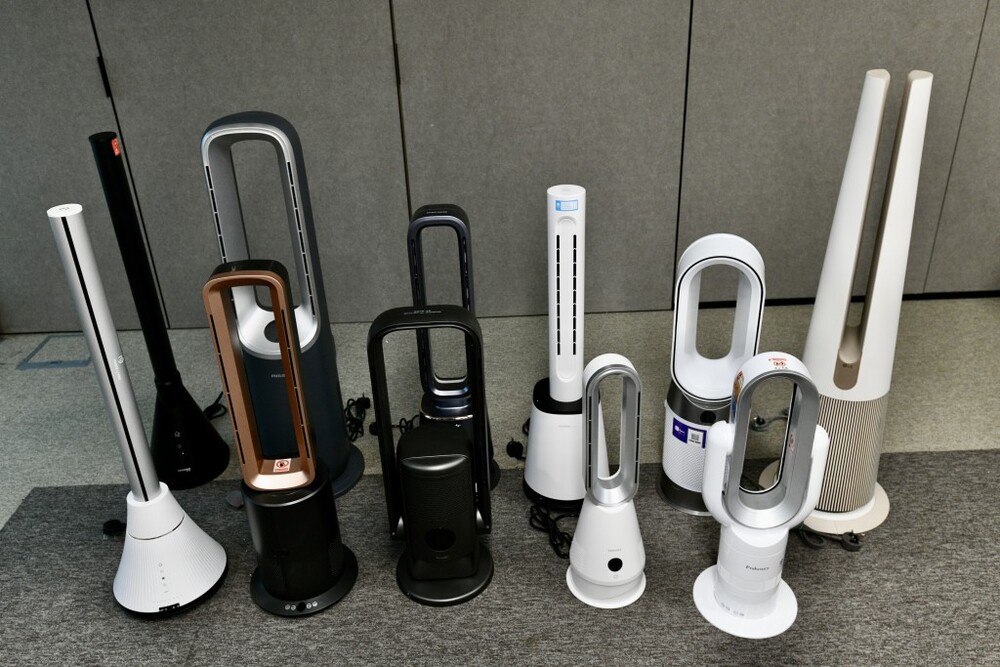
The Consumer Council recently conducted tests on 11 different models of bladeless fans with heating functions, currently available on the market. The findings revealed that these fans generally heat up slower and are less energy efficient compared to reverse cycle air conditioners and traditional circulation fans.
Among the tested models, six featured HEPA filters, known for their air-purifying capabilities, with prices ranging from HK$699 to HK$6,988.
Notably, two of these models took more than 6 minutes to heat up to 90 percent of their maximum temperature, whereas the heating time for another two models was less than 2 minutes.
In comparison, 15 models of traditional fan heaters were tested in 2016, and the results showed that the heat-up times of the various models ranged from 15 seconds to 3 minutes, with 10 models taking only 1 minute or less.
The average air supply volume across all models was 16.1 cubic meters per minute, although three models underperformed, delivering less than 10 cubic meters per minute.
Comparing these results to the 12 models of circulation fans tested by the Council in 2023, the average airflow rate was lower than that of the bladeless fans while the average energy efficiency was higher.
The tests also showed that heating and cooling air conditioners are more energy-efficient than bladeless fans, indicating that air conditioners are more cost-effective in terms of electricity consumption. Specifically, using the heating function of an air conditioner for five hours per night could result in a monthly electricity bill ranging from HK$302 to HK$519.
Furthermore, the Council advises consumers to choose fans based on their specific needs. Given the typically high power input of the heating mode, it is recommended to use a separate power socket for these fans to avoid sharing with other high power-consuming appliances. Extension cords should be avoided.
Additionally, consumers are urged to utilize the temperature settings to maintain an appropriate level of warmth.