Read More



Night Recap - June 10, 2026
8 hours ago

Bowie Woo, 94, sets Guinness World Record at star-studded concert
08-06-2026 18:03 HKT
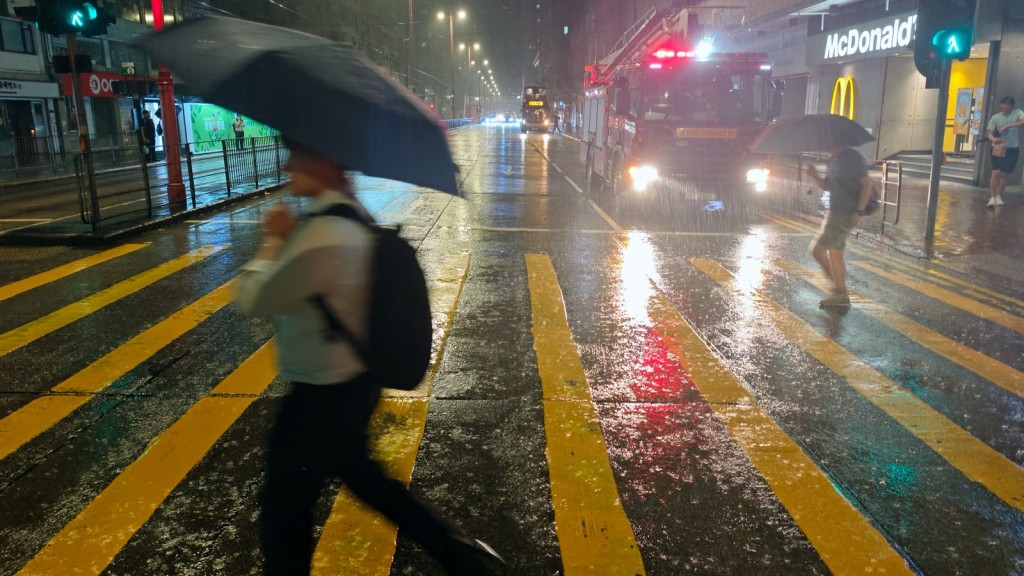
Nine days of rain ahead as temperatures dip, Observatory says
09-06-2026 17:35 HKT
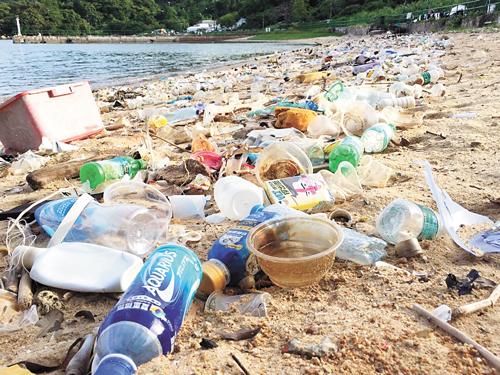
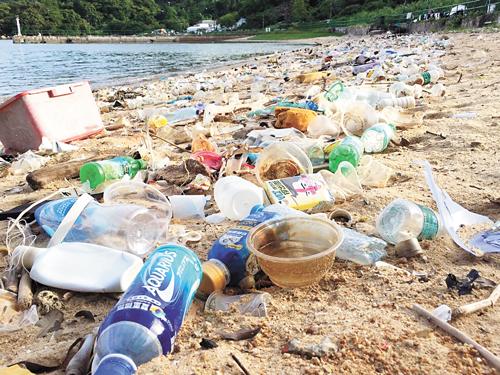
Greenpeace said over 3,200 pieces of trash have been collected clearing up river banks of Lam Tsuen River and Pui O River over the past four months, with 97 percent of it being plastic.
Among the collected plastic waste, disposable plastic packaging from food, logistics, and beverages accounted for nearly 70 percent, with most beverage packaging waste originating from large beverage producers.
The environmental group said it had earlier conducted a separate study finding microplastics in the feces of wildlife in Hong Kong, which aligns with the findings of this investigation.
This reflects that when plastics are disposed of in the environment, they are likely to break down into microplastics, and infiltrate the ecosystem and food chain, posing a threat to human health, it said, adding that plastic pollution has become a pressing global issue.
With Hong Kong being one of the cities in East Asia with the highest per capita plastic consumption rates, also an international city with many multinational corporations, Hong Kong has a responsibility to support and promote the reduction goals of the Global Plastics Treaty, and to push for businesses to transition from disposable packaging to reusable or packaging-free sales models, it said.
It also called on the government to expedite the establishment of producer responsibility schemes for beverage packaging and to introduce measures for controlling disposable plastic utensils in the second phase of the city’s plastic ban.