Can't afford to fly to Italy to visit the famous Uffizi? Now the treasures of the Renaissance are just an MTR ride away.
ADVERTISEMENT
SCROLL TO CONTINUE WITH CONTENT
Jointly organized by the Hong Kong Museum of Art and the Uffizi Galleries, Titian and the Venetian Renaissance from the Uffizi will take you on a journey into the world of the Venetian school of painting.
On show are 50 works by Titian (known as Tiziano in Italian), a leading figure of the Venetian school, as well those by other masters.
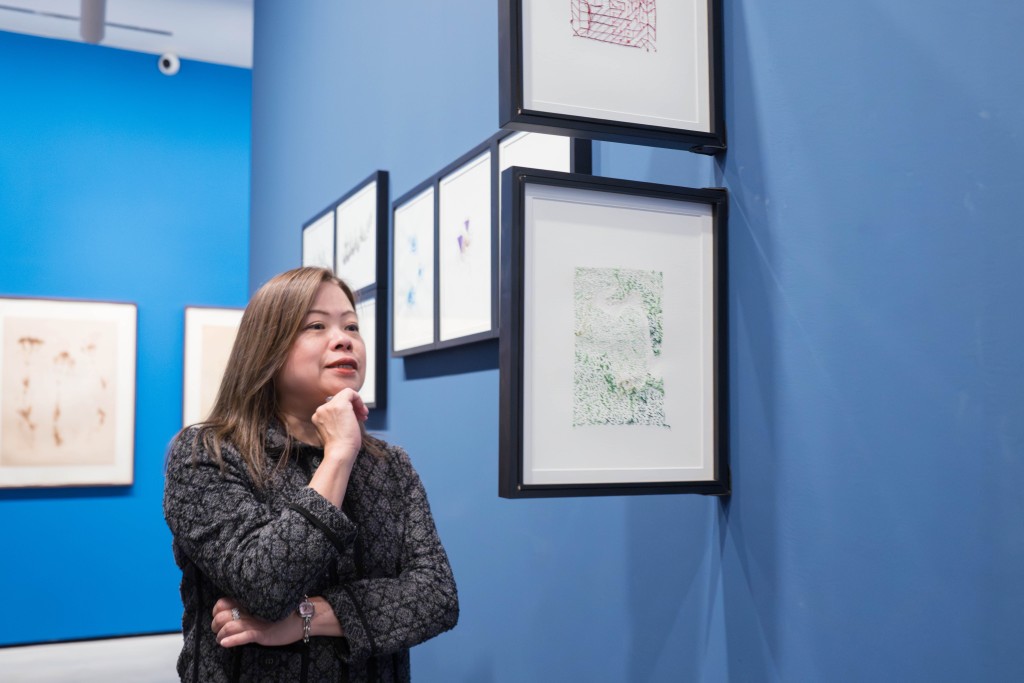
"All the works are displayed for the first time in Hong Kong - if not in Asia," said Museum of Art curator Prudence Ma Pui-ting.
Sixteenth-century Venice was experiencing unprecedented prosperity in cultural exchange and commercial trade. The affluent atmosphere is reflected in the Venetian painting style of deep and rich oil-based pigment with an emphasis on light and shadow.
In Titian's renowned oil painting Flora, for example, one can see the warm tonal glow. The goddess of spring is portrayed as a innocence with copper blonde hair (a color known as "Titian red").
"Titian excelled at portraying idealized young women in half-length portraits, and this work is an important depiction of a goddess in the Uffizi Galleries," said Ma. "We placed lighting installations above the paintings to create a dim yet warm projection on the painted canvas, which makes the vibrant and delicate color more lifelike."
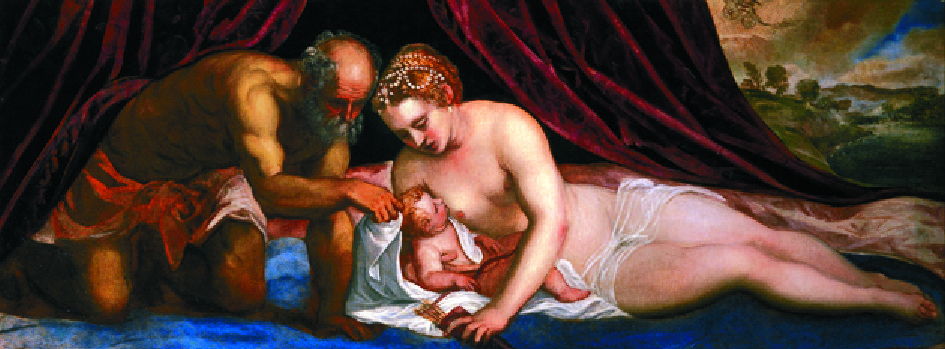
Another aspect of Renaissance painting is the emphasis on the realistic. In Venus and Cupid with a Dog and a Partridge, Titian portrays the goddess as "an ordinary woman, a living woman who makes people enchanted," said Ma. Venus has a rounded and supple figure, displaying a more humanized and lifelike tendency.
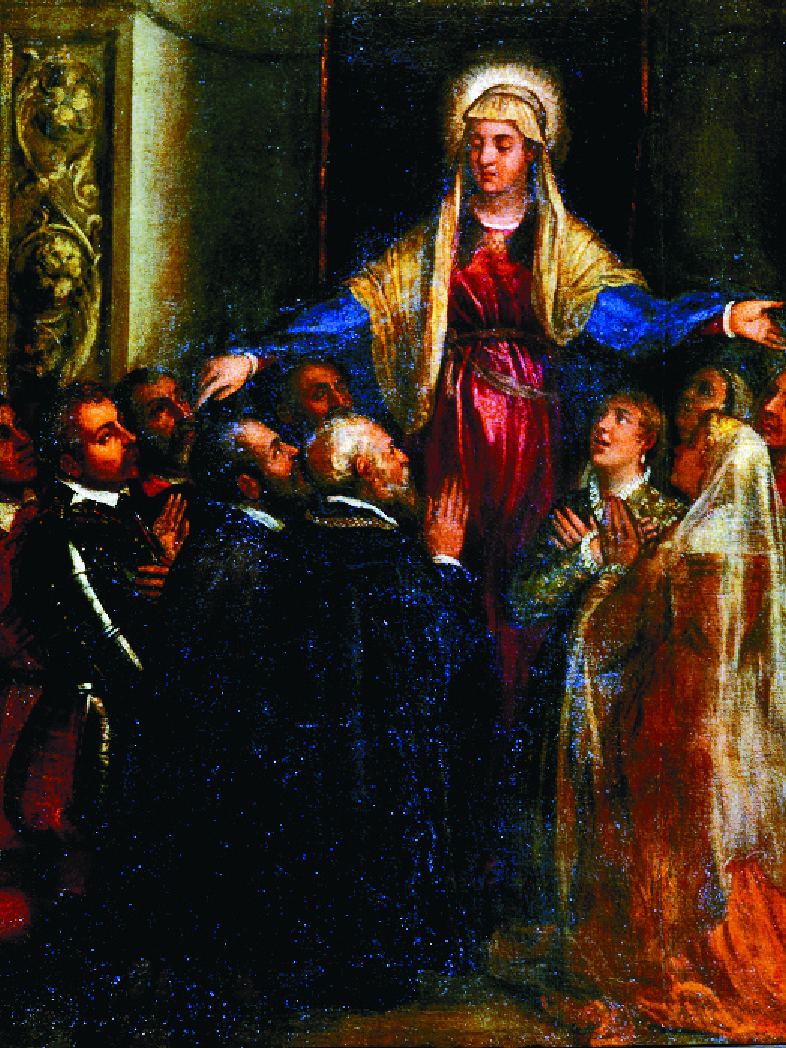
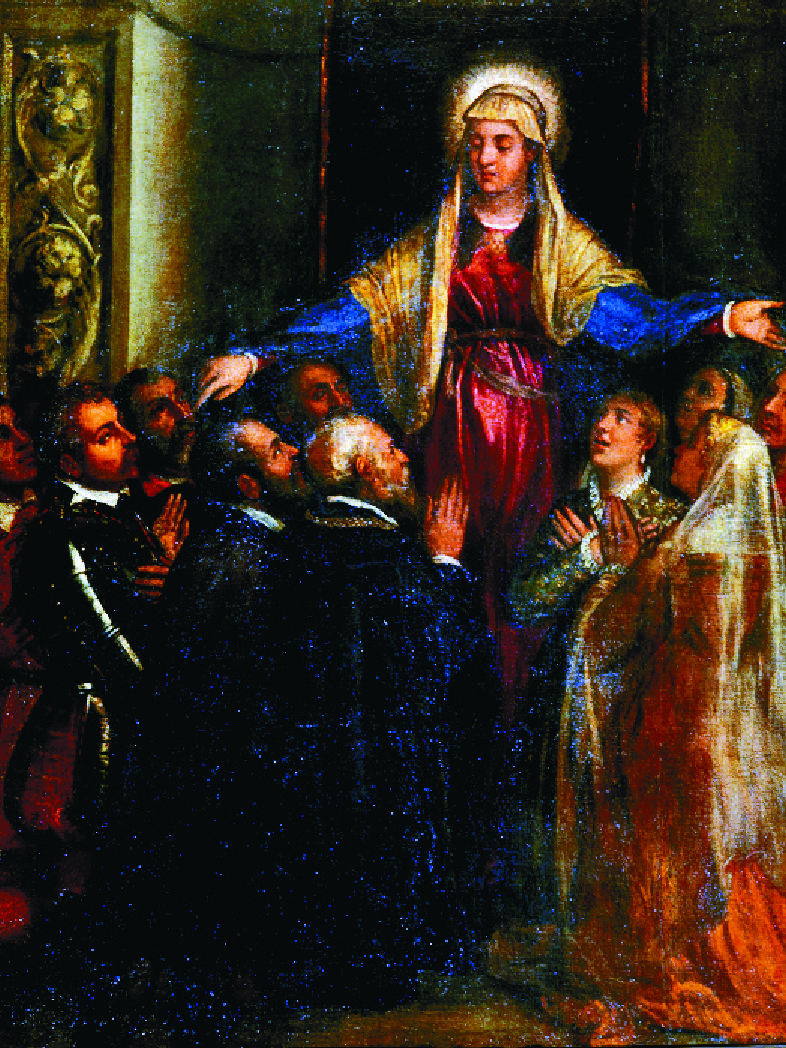
The paintings are also displayed to show a progression in the master's art. A late work, Madonna of Mercy, was painted from 1573 to 1574 and you can see how Titian's use of color has matured.
"From a distance, you can see the sense of depth in the colors, paint-laden brushstrokes, and dark hues," said Ma.
This almost luminous beauty achieved by vibrant paints that typifies Renaissance paintings is something artists worked on at great lengths to achieve.
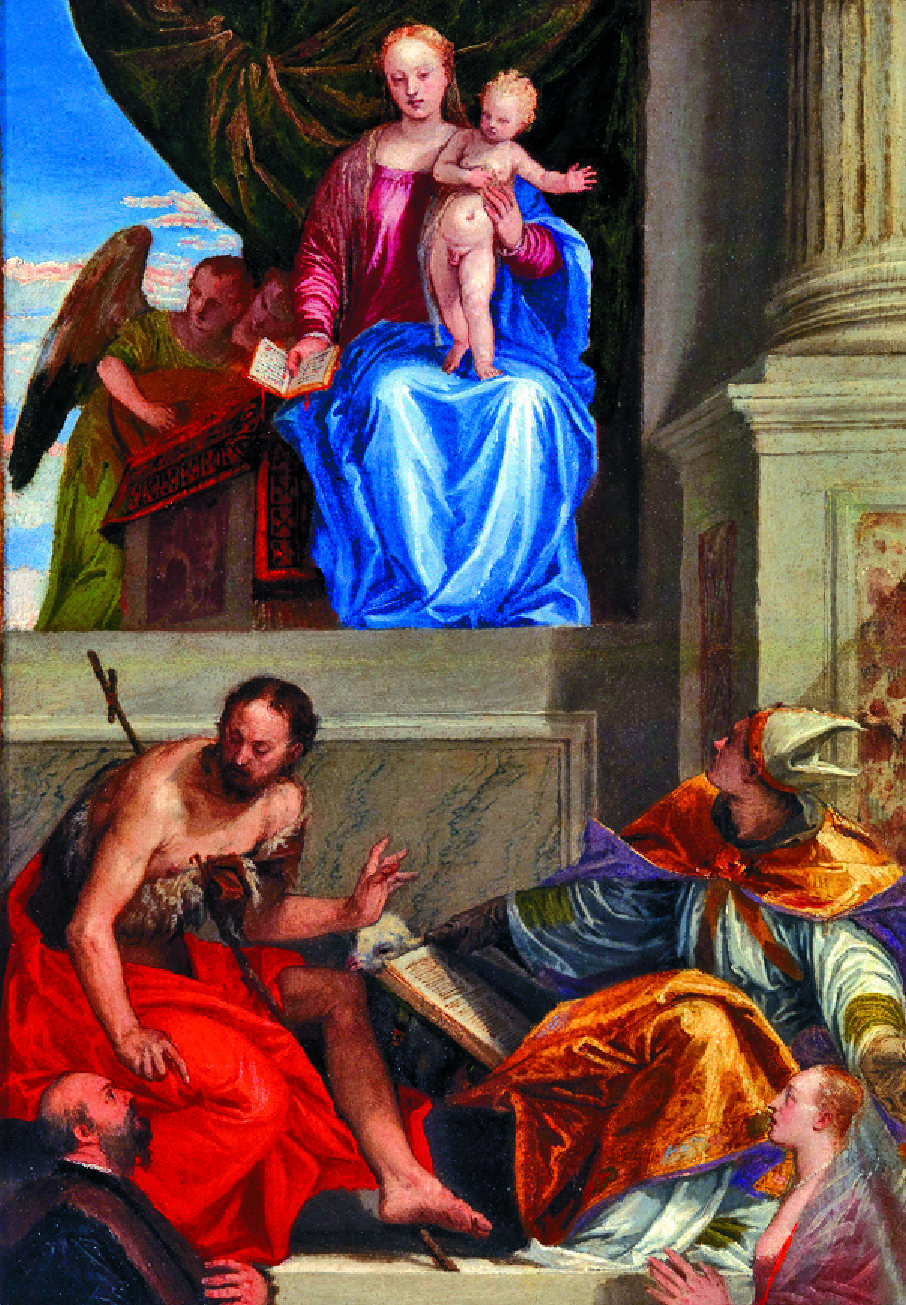
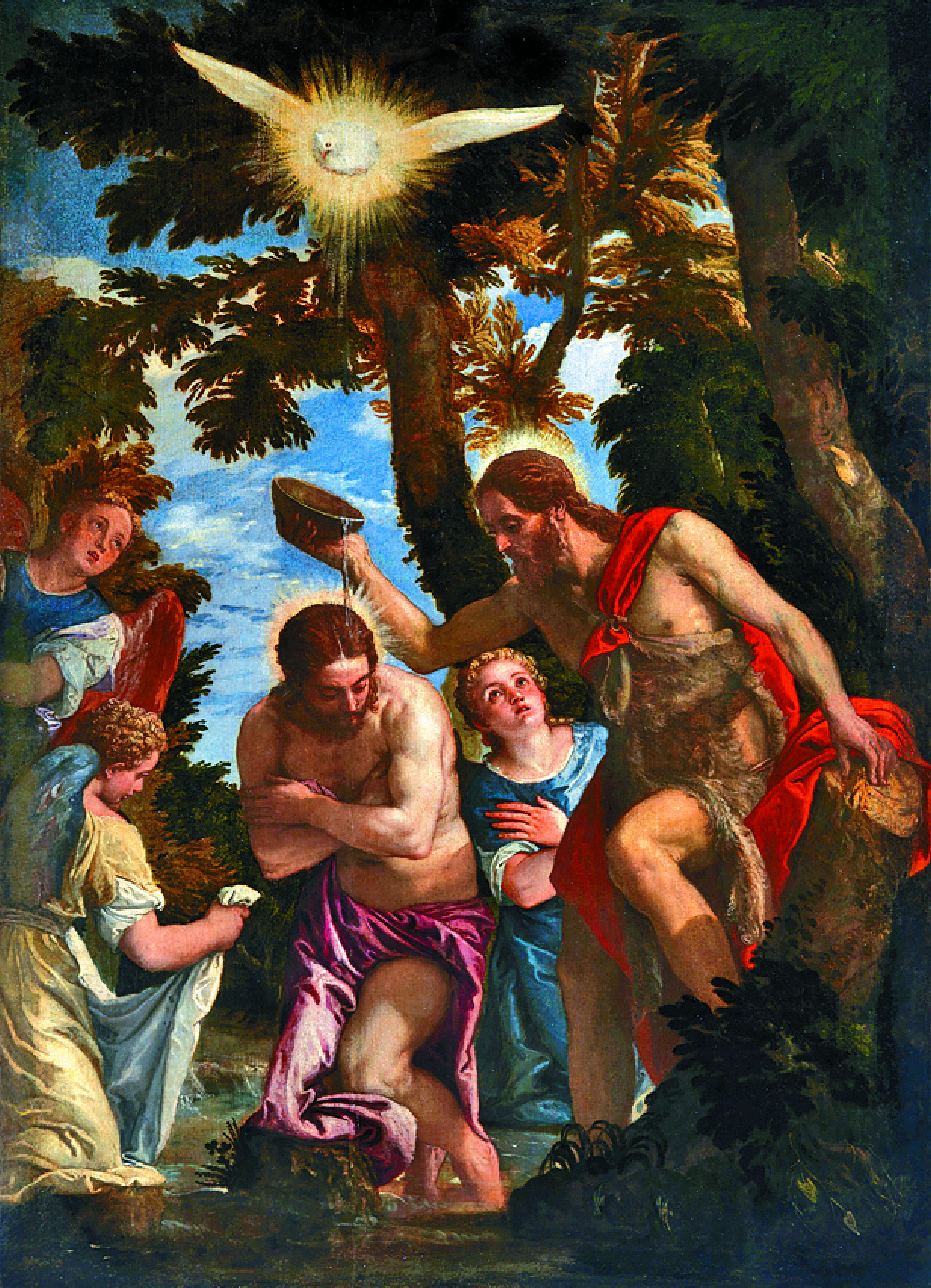
"For Madonna and Child with St John the Baptist and Catherine of Alexandria, Paolo Veronese painted the madonna's dress with a pigment called ultramarine, which was made by grinding lapis lazuli," said Anna Bisceglia, curator of 16th-century paintings of the Uffizi Galleries. "It was the most expensive pigment in the Renaissance worldwide. Just imagine how long it took to be transferred to Venice."
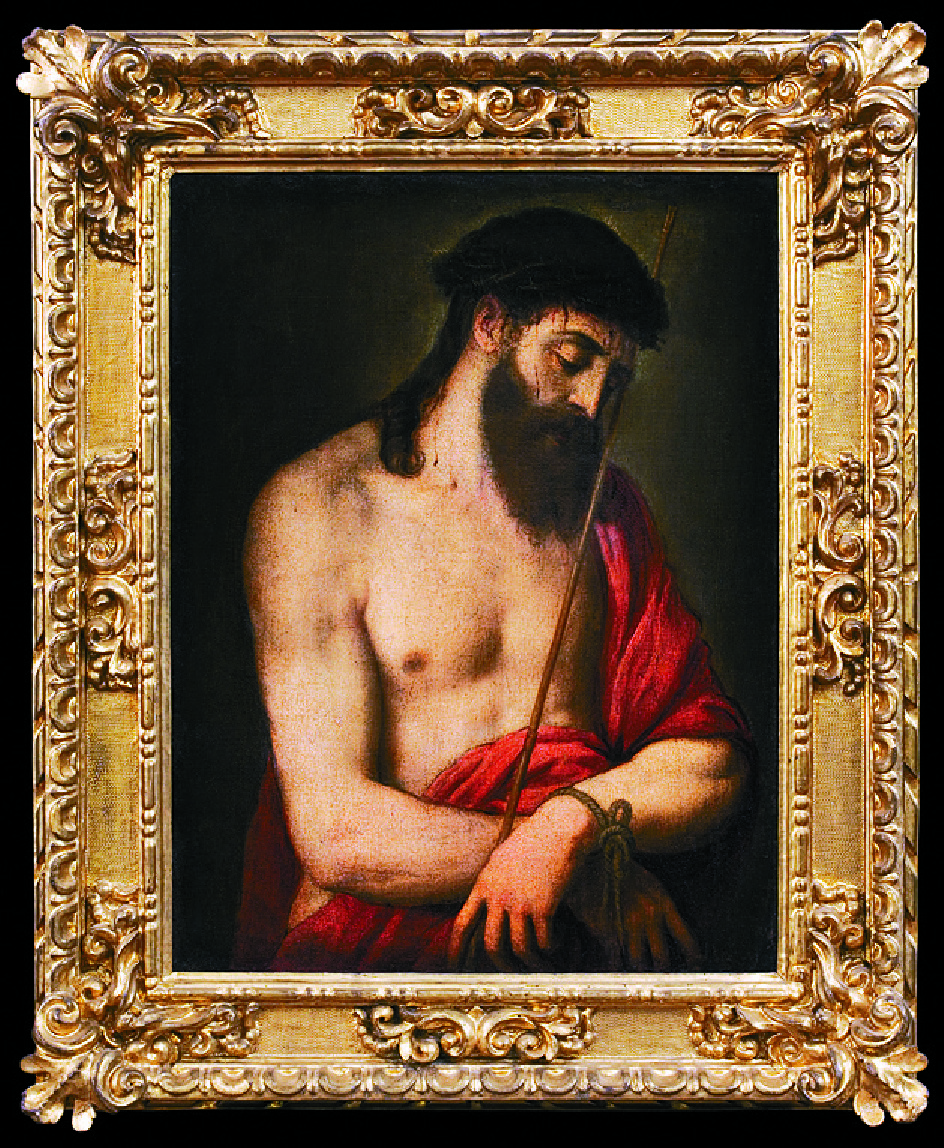
Titian was particularly skilled in portraits. As one of the most esteemed artists of his time in Europe, he was highly sought after by popes, royalty, and dignitaries.
"Looking at Portrait of Tommaso Mosti, painted around 1520, you notice that though the subject is expressionless, the color and light makes you feel his richness of inner emotions and lifelike presence," said Ma. "His attire reflects the fashion of the time, making this painting appear like a cover of a fashion magazine.""
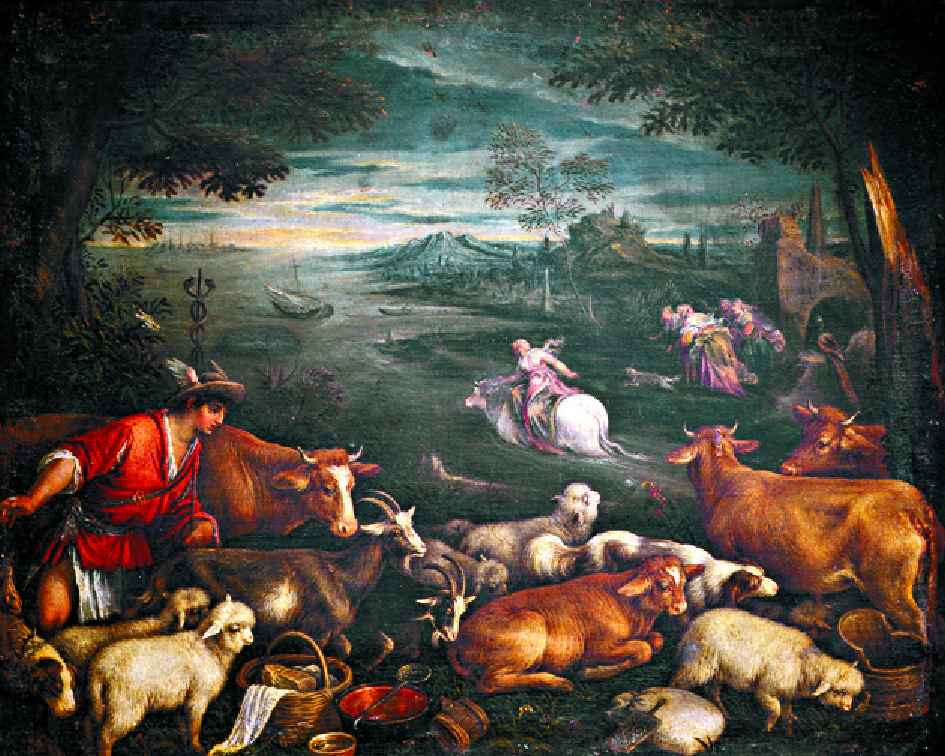
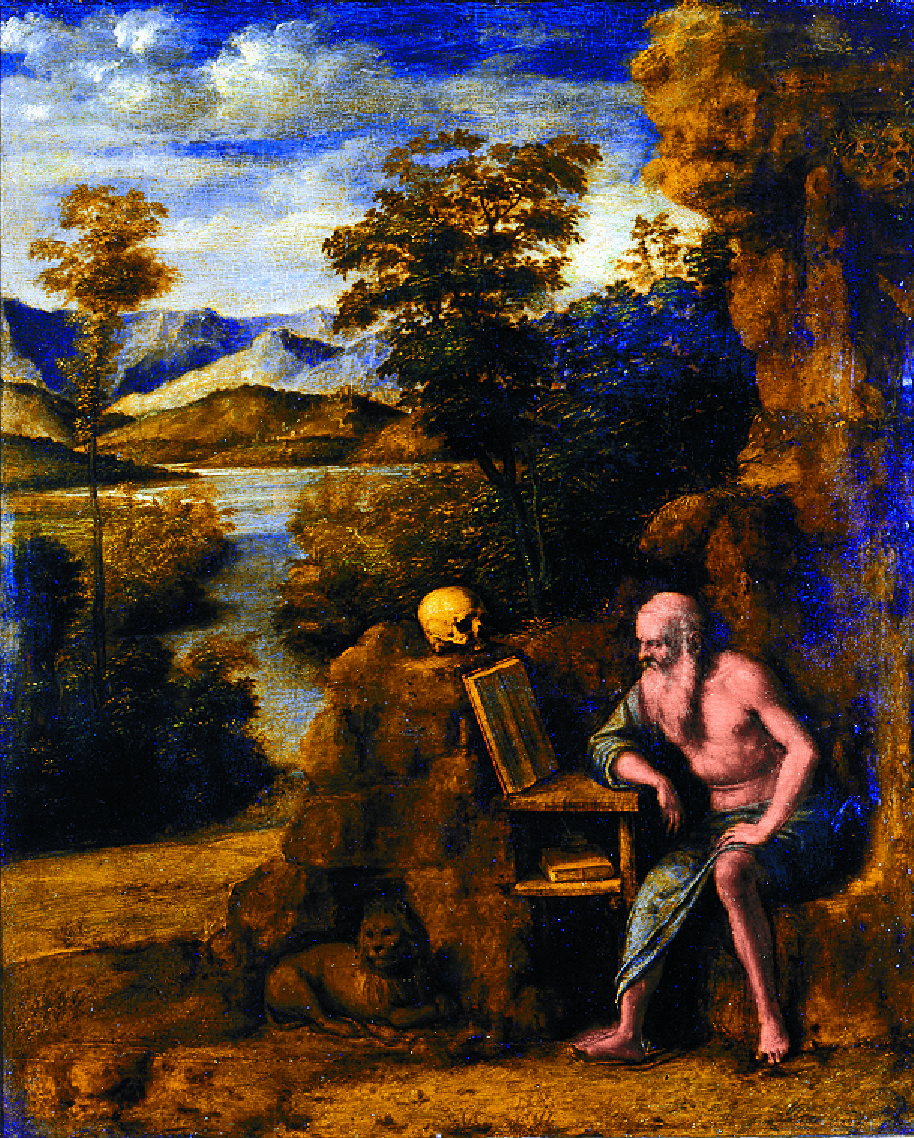
Landscape painting was also an important subject for Venetian masters. "Landscape was never the focus of painters before the Venetian school," said Ma.
The exhibition showcases works by Giorgione, credited with the invention of landscapes such as Moses Undergoing Trial by Fire. Though just a backdrop, the natural scenery is expansive and harmonious.
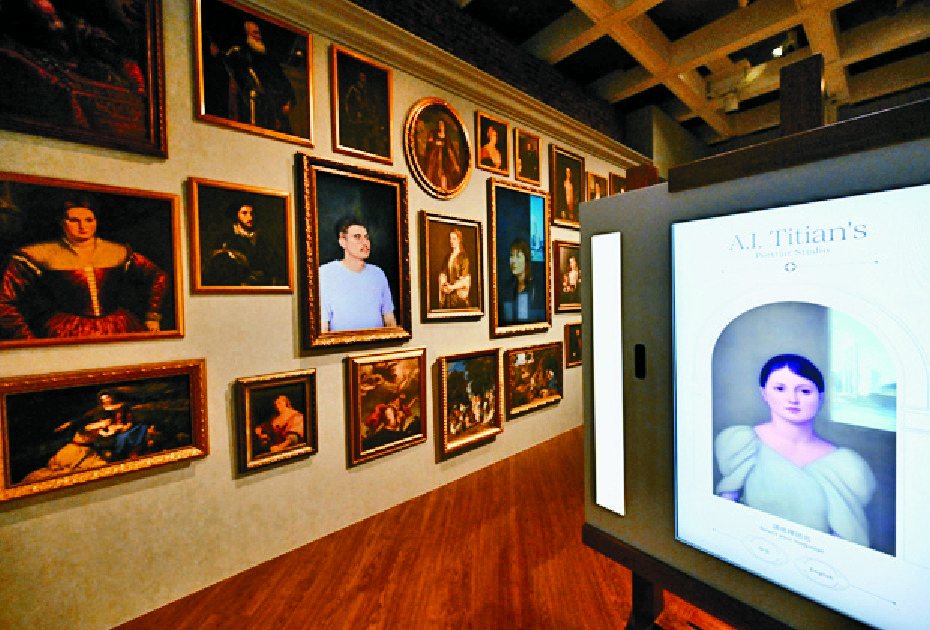
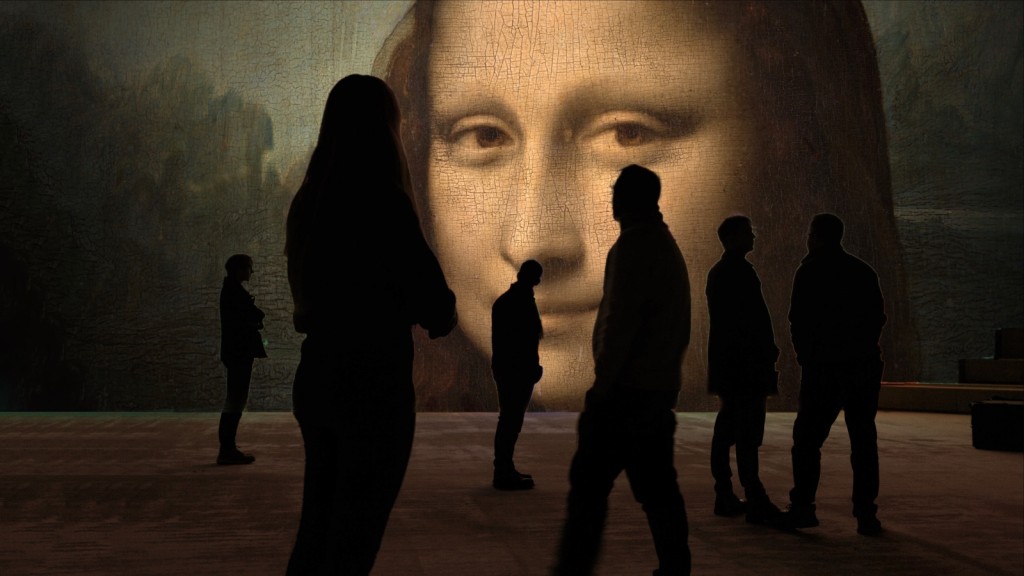
Bringing art to into the modern age, the exhibition also features an interactive installation, AI Titian. Visitors can sit in front of the device and take a photo, which will be transformed in Titian's style.
Additionally, two local artists, Leung Chi-wo and Chan Kwan-lok, are showcasing artworks specifically created for this exhibition.
Leung's Tears of Tempo is a large-scale lighting installation using Venetian vintage glass lamps while Chan's The Connection with Nature consists of a series of ink paintings combining religious themes.
The exhibition is on show at the Hong Kong Museum of Art until February 28.