The exhibition brings together 13 emerging artists from Hong Kong, London, Paris, Shanghai, and Chengdu to explore the emotional afterlife of heartbreak.
As Valentine’s Day approaches and the city fills with pink displays, heart-shaped balloons, and polished declarations of romance, ba d’arts offers a quietly contrasting proposition: a group exhibition that turns its gaze not toward love in bloom, but toward what lingers after it fades.
ADVERTISEMENT
SCROLL TO CONTINUE WITH CONTENT
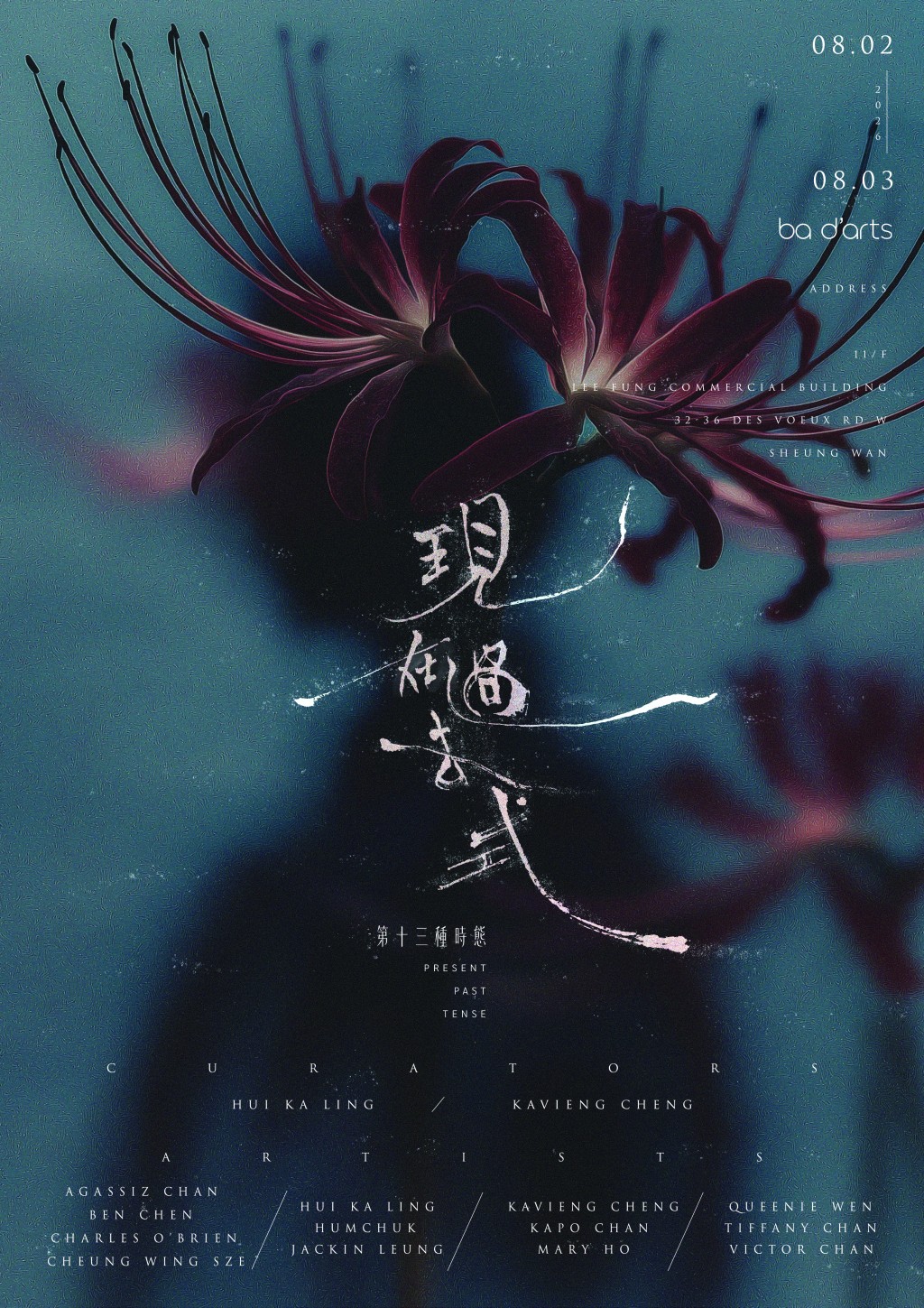
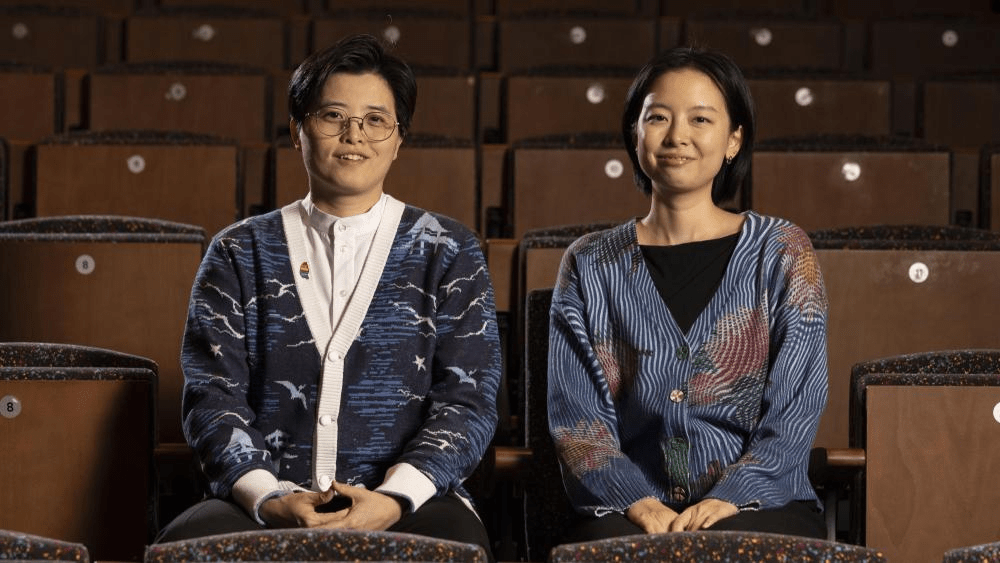
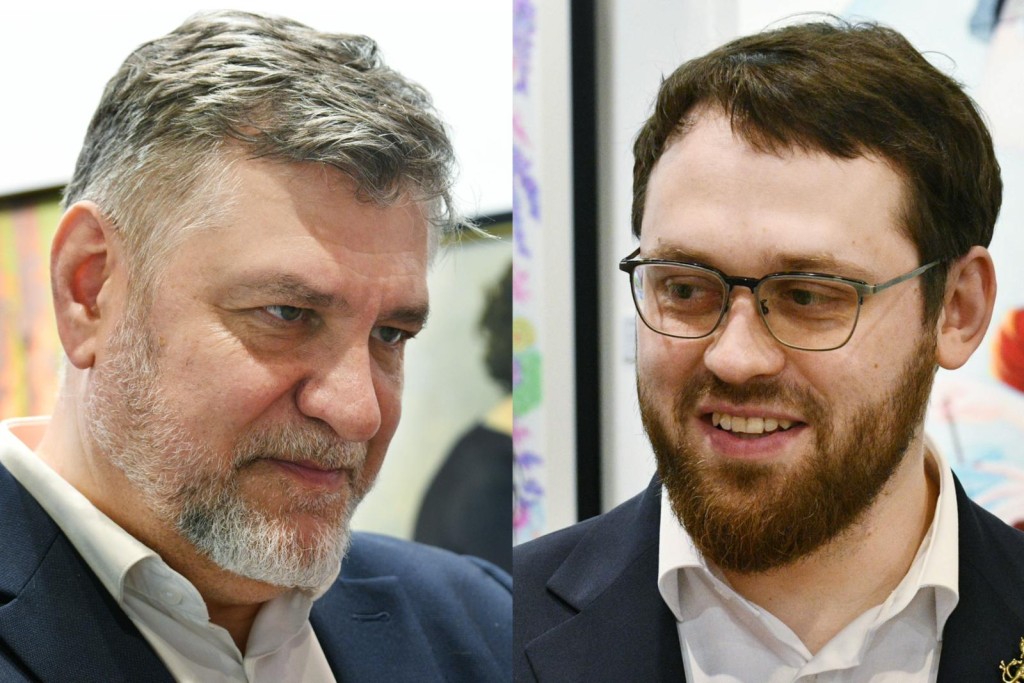
Titled The 13th Tense – Present Past Tense, the exhibition is curated by Hui Ka Ling and Kavieng Cheng and framed as a “breakup exhibition” — an unapologetic exploration of the emotional afterlife of heartbreak.
Rather than amplifying love’s ongoing spectacle, the show asks a subtler question: what happens when a relationship is over, yet its emotional weight continues to inhabit the present?
The curators propose a hypothetical new grammatical tense, the “Present Past Tense,” to name this familiar but often inarticulate state. It describes the moment when something belongs to the past, yet refuses to stay there; when memory, habit, and absence fold back into everyday life, shaping how one moves, thinks, and feels.
In matters of the heart, time rarely behaves neatly. The past tense suggests closure. The present tense implies forward motion. But heartbreak occupies an uneasy in-between, where endings are acknowledged but not fully absorbed. Present Past Tense creates space for this temporal ambiguity — allowing delay, uncertainty, and unresolved emotion to exist without apology.
Bringing together thirteen emerging artists from Hong Kong, London, Paris, Shanghai, and Chengdu, the exhibition does not attempt to narrate heartbreak as a single story. Instead, it treats heartbreak as a material condition — something that can be shaped, translated, and felt through form.
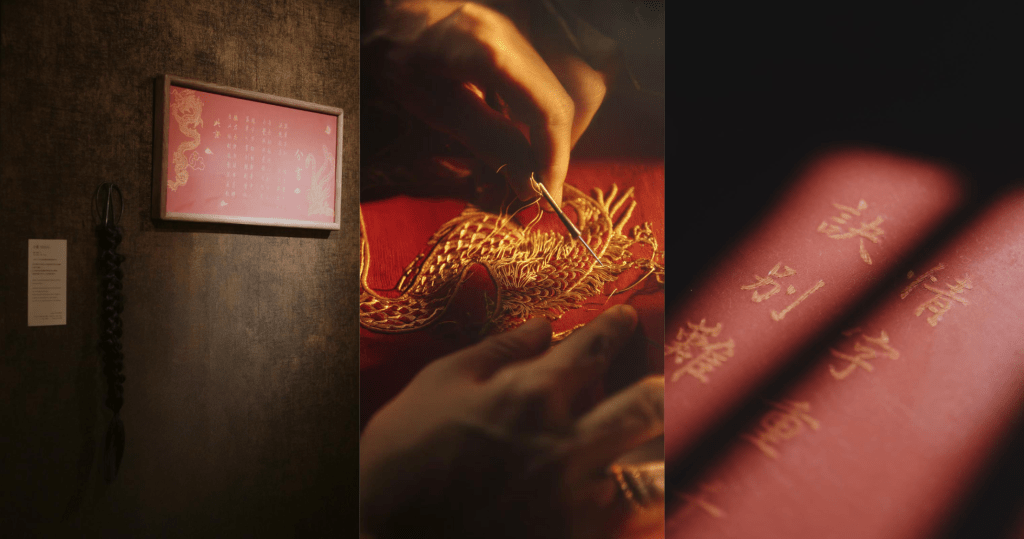
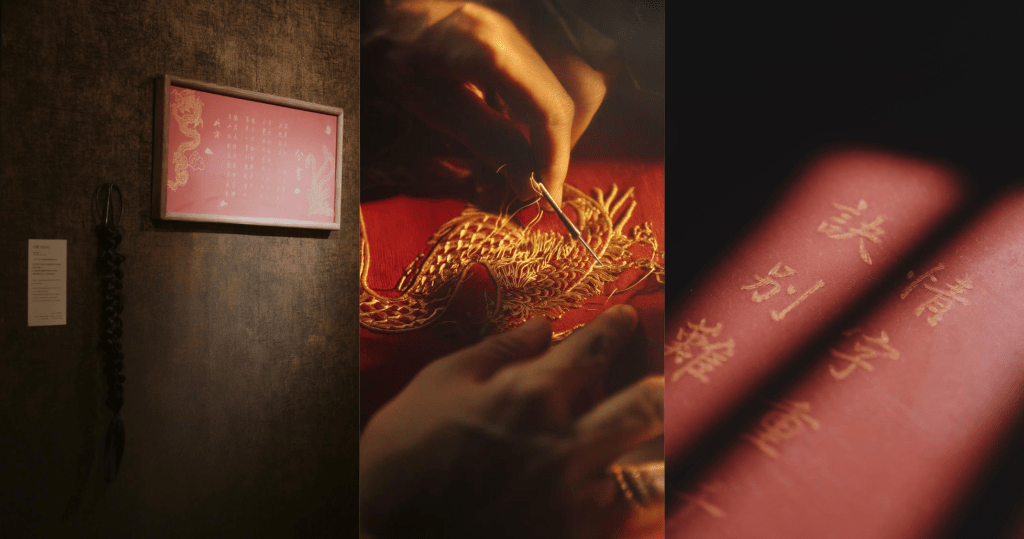
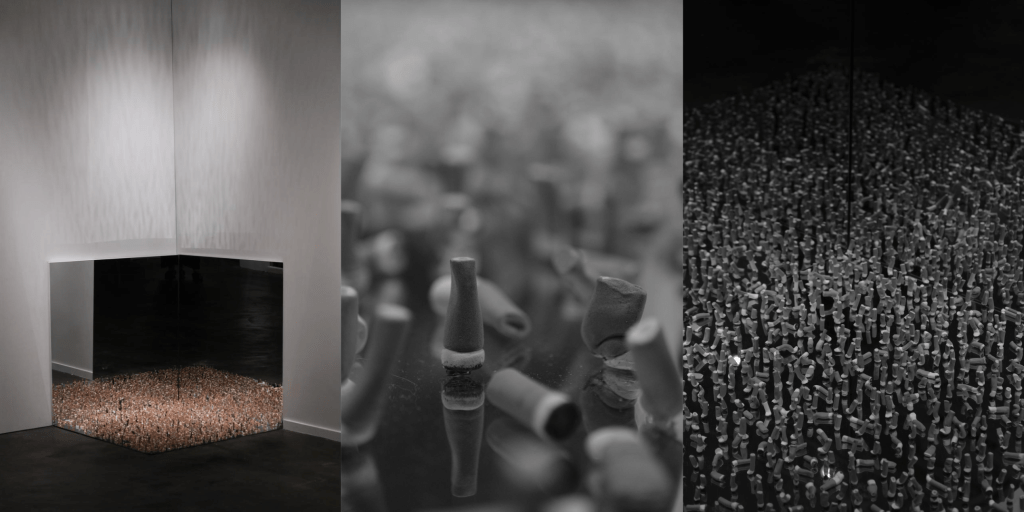
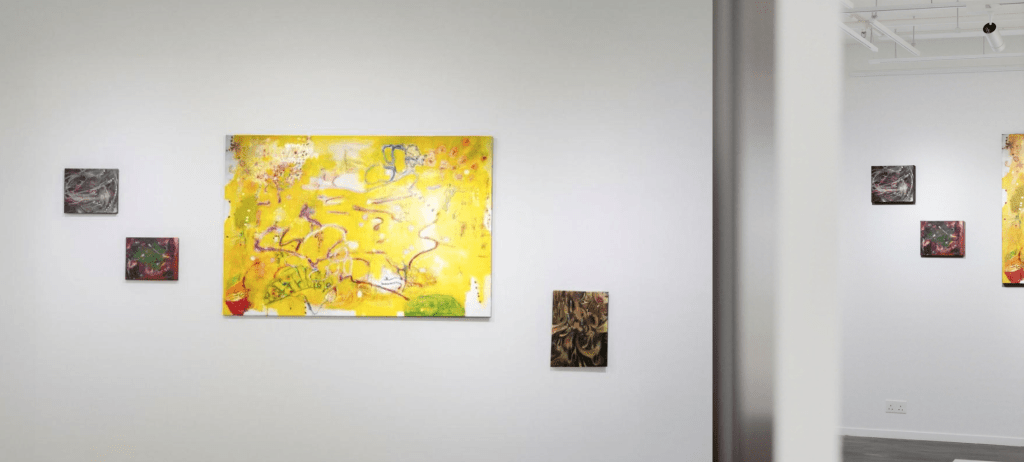
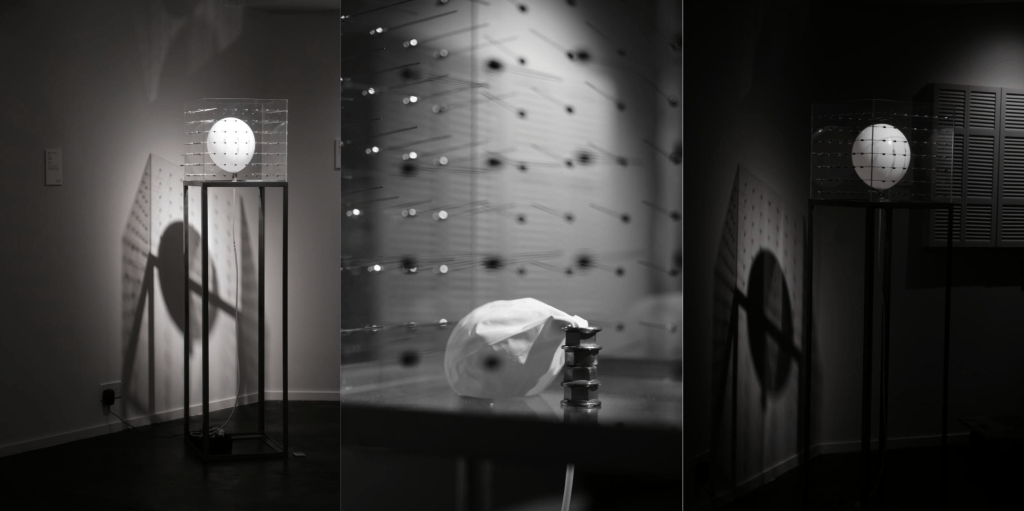
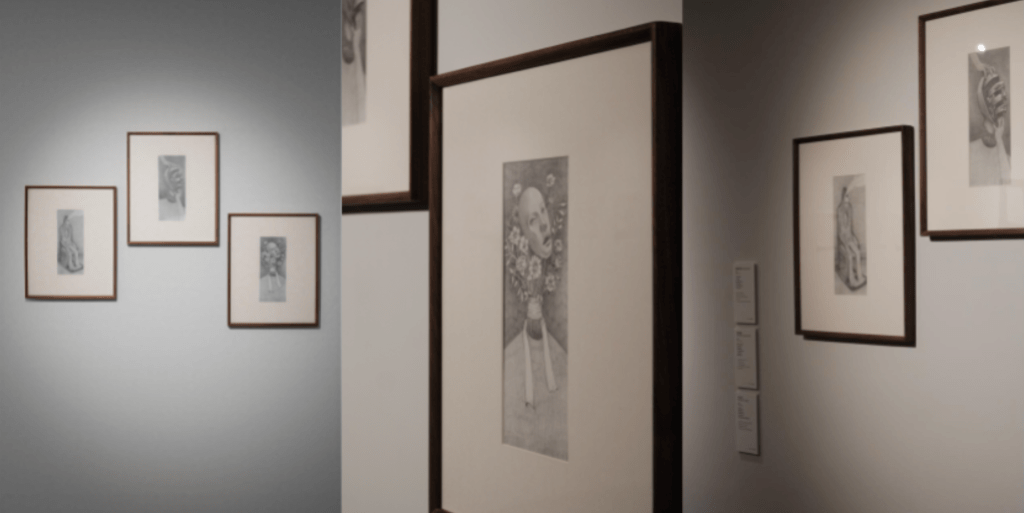
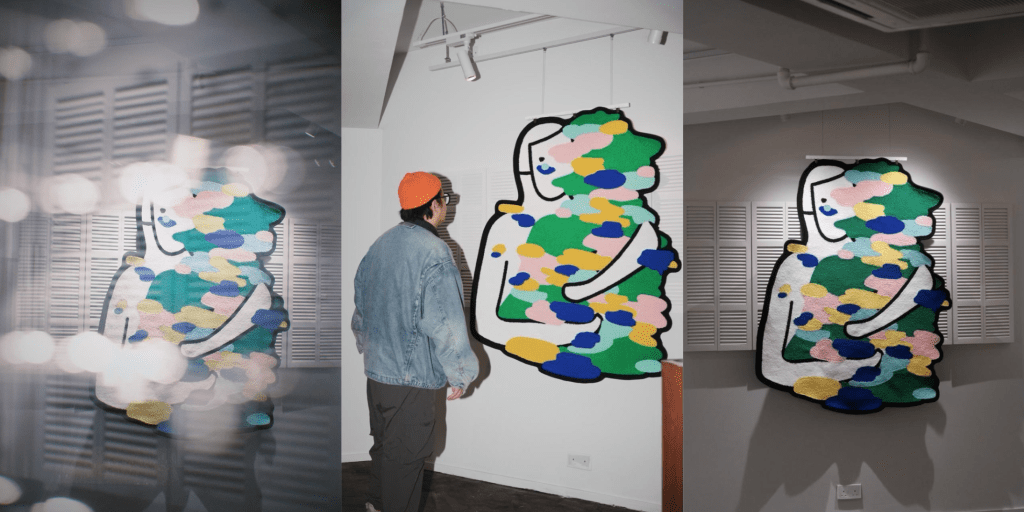
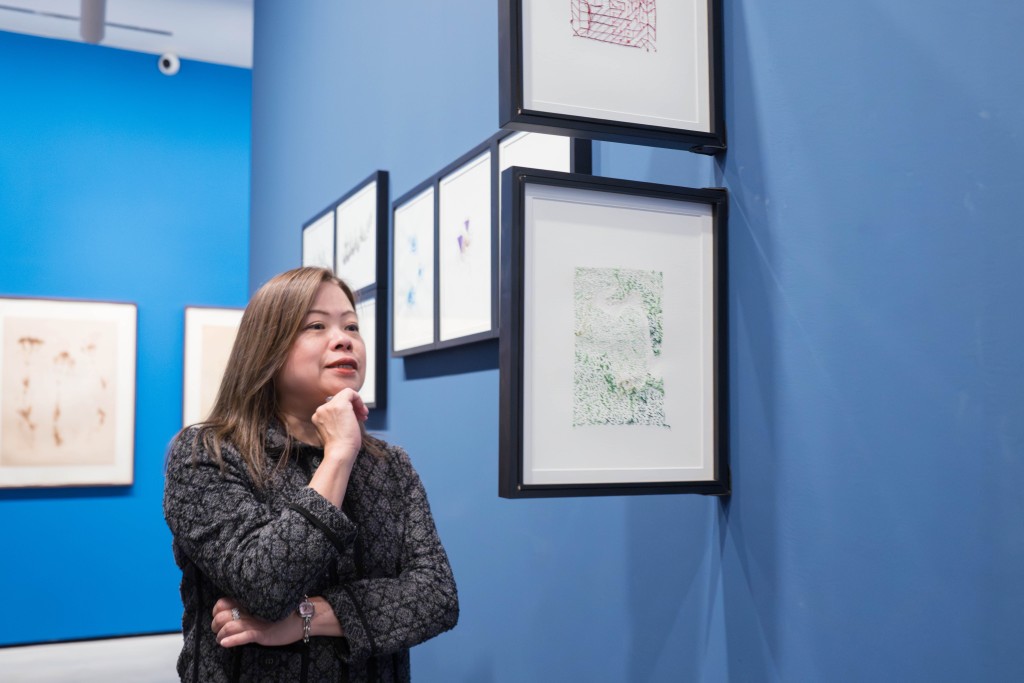
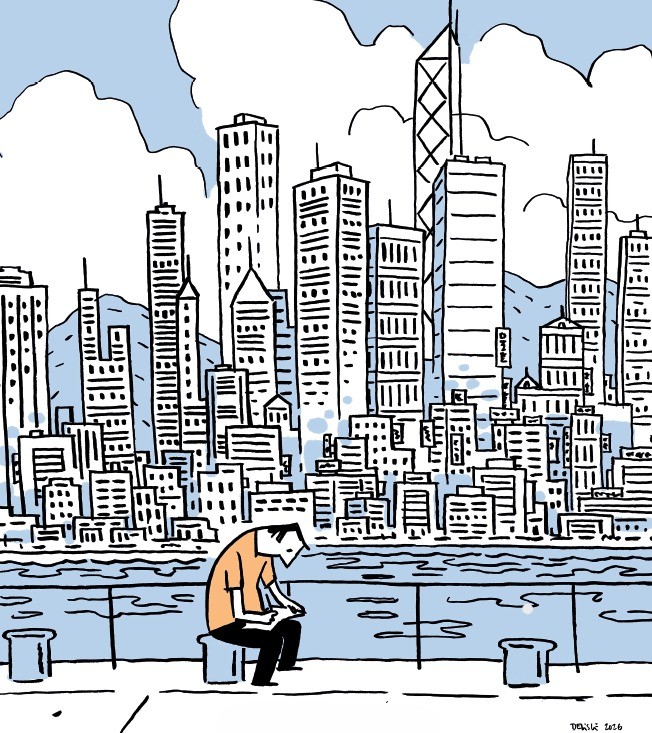
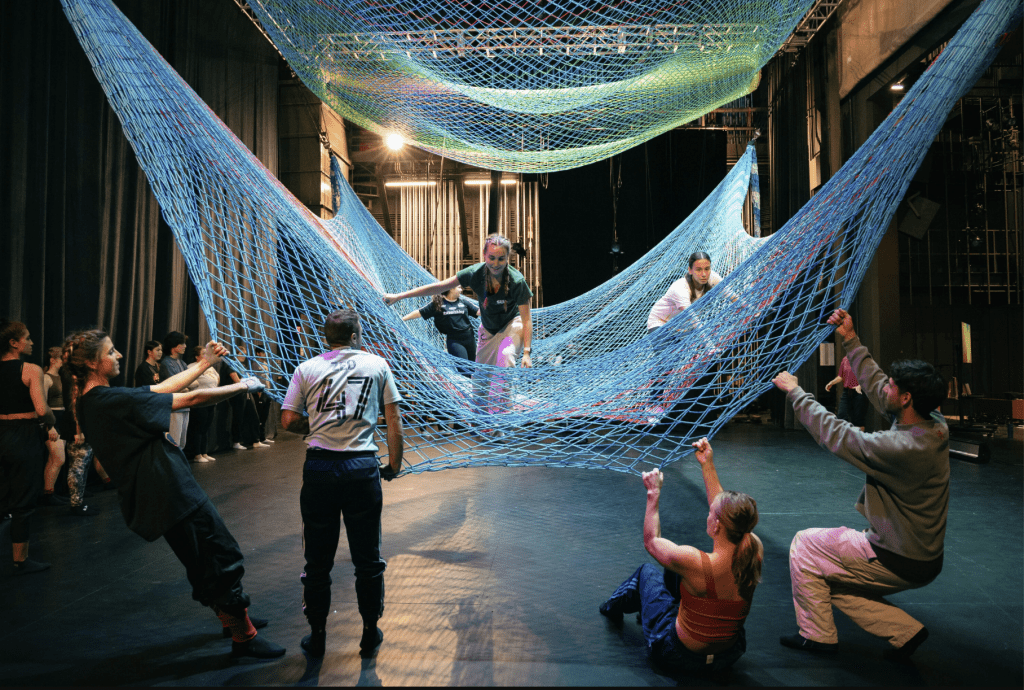
Across ceramics, embroidery, kinetic installations, painting, photography, and text-based works, the artists give physical presence to emotional afterimages that are usually invisible. Some pieces dwell on repetition and ritual, echoing the compulsive return to certain thoughts or gestures. Others explore memory’s glitches, the awkwardness of starting again, or the quiet loneliness embedded in ordinary routines. Together, they chart how love’s remains reorganize one’s inner landscape long after a relationship ends.
Key highlights
+1
Rather than offering catharsis or quick resolution, Present Past Tense adopts a gentler posture. It recognizes heartbreak not as a problem to be solved, but as a layered terrain — one that holds both loss and the possibility of transformation.
In this sense, the exhibition functions as a small archaeology of emotional time. It excavates the inner sites where endings are stored, misremembered, rehearsed, and slowly reshaped. What emerges is not a call to “move on,” but an invitation to linger, to look, and to acknowledge the complicated rhythms of healing.
By situating itself deliberately within the Valentine’s season, Present Past Tense offers a counterpoint to the dominant narrative of romantic fulfillment. It suggests that tenderness can also be found in recognizing what did not last, and that there is dignity in naming the feelings that refuse to disappear on schedule.
For visitors, the exhibition becomes less a destination for answers than a place for recognition — a quiet room where private emotional states can be momentarily shared, and where the unspeakable finds form.
In the grammar of love, Present Past Tense proposes that perhaps the most honest tense is the one that admits: it ended, and it is still here.