A local museum rewrites the origins of classic blue-and-white china. This iconic porcelain you would find at your grandmother's, often seen as quintessentially Chinese, was shaped by foreign trade and domestic tastes, and painted with Persian cobalt yet embraced by local elites.
What if a dining plate could rewrite cultural history? That question drives the Art Museum of The Chinese University, where deep research transforms familiar objects into portals for discovery.
"We're not here to be a crowded selfie spot," said director Josh Yiu Chun-chong. "We're here to ignite curiosity – to turn even a piece of blue-and-white porcelain into a new revelation."
The heart of the museum's mission, which Yiu calls it a "research-driven narrative," is when every exhibition is built from rigorous scholarship. Their showcase, "Yuan Blue and White: New Discoveries from Jingdezhen," perfectly illustrates this approach. Rather than a static display of ceramics, the exhibition wove fragments and artifacts into a layered story about global exchange and local consumption.
"Our team led at least half of the research," Yiu said. "From selecting objects to reconstructing their stories, every choice came from our deep dive into the scholarship."
The exhibition opened with a map tracing the land and maritime Silk Routes, framing Yuan-era porcelain as a global commodity. While the vibrant blue-and-white style flourished for export – exploding onto the world stage in just 600 years – also found a place at home.
"It's a fascinating duality," Yiu noted. "Although the Yuan elite traditionally favored the subtle monochromes of the earlier Song dynasty, blue-and-white porcelain was not exclusively for foreign markets. It was increasingly integrated into domestic life, used by temples, wealthy households, and even the court for special purposes, reflecting a gradual shift in local aesthetic acceptance."
That iconic blue came from imported Persian cobalt – a direct result of the Mongol Empire's vast Eurasian networks. An Indo-Persian miniature painting in the show even depicted porcelain production, illustrating cross-cultural fascination.
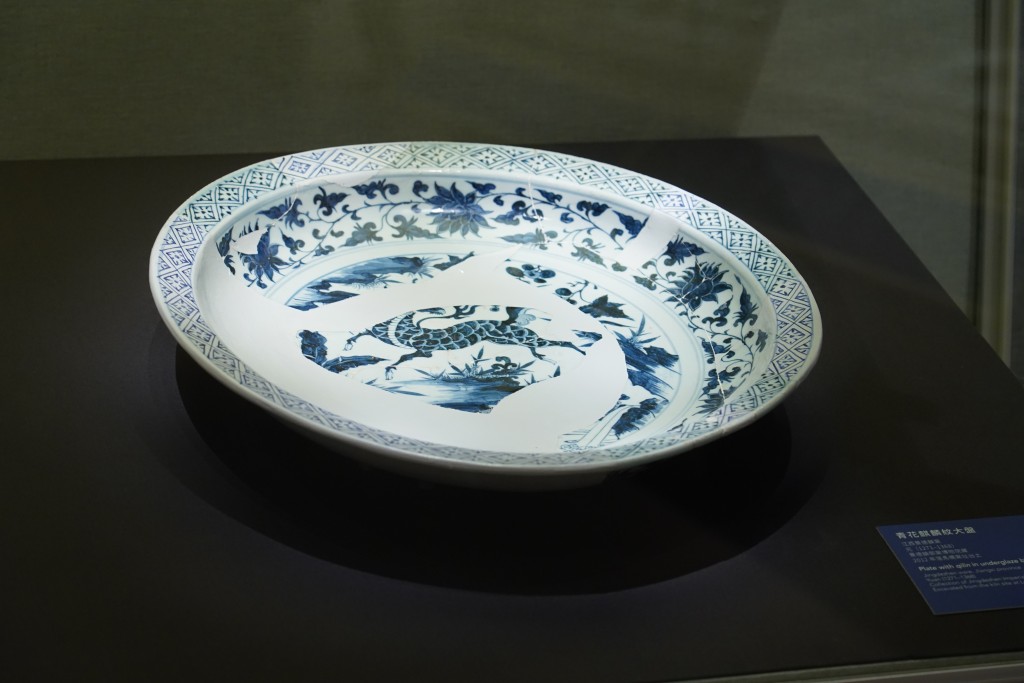
A big plate with qilin in underglaze blue features the Islamic style.
Yet, the objects tell a two-sided story. One of the pieces, the Plate with Qilin in Undergglaze Blue, was physically shaped by foreign customs – its large scale designed for Islamic communal dining. Meanwhile, other vessels, with their lyrical landscapes and poetic motifs, catered to Chinese scholarly tastes and local ritual practices.
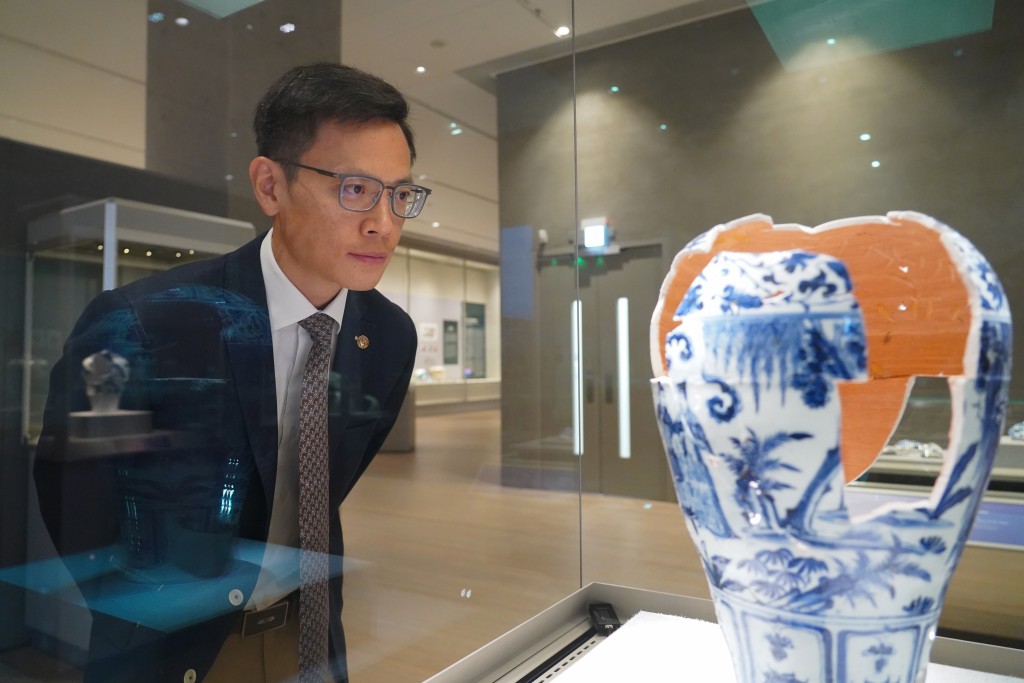
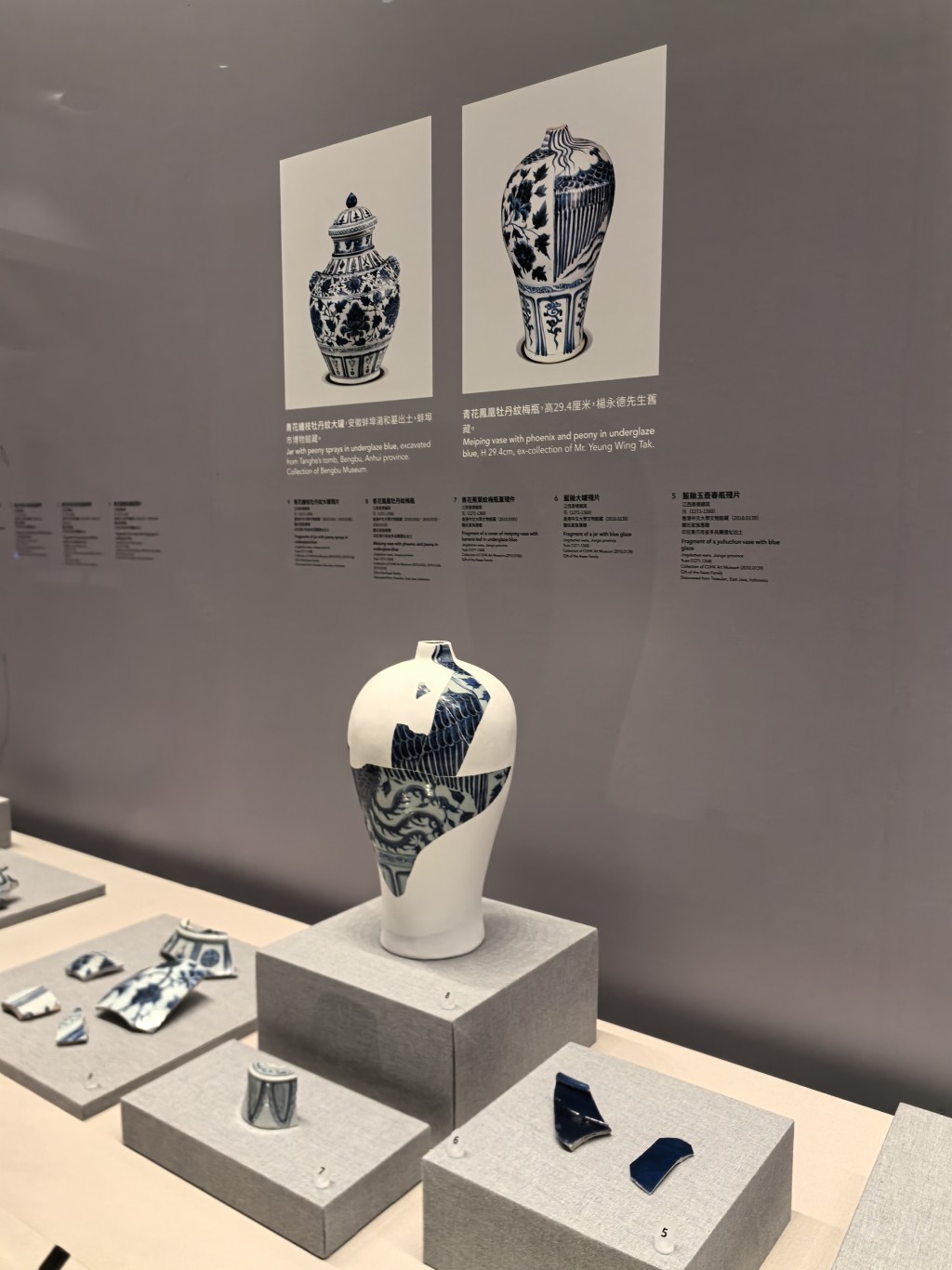
Meiping Vase with Phoenix and Peony raises scholarly discussions about its lid shape.
The Meiping Vase with Phoenix and Peony sparked an intriguing scholarly debate closer to home. The unusual painted feathers around its neck have led experts to wonder whether there was once a separate, three-dimensional phoenix-head lid which is now lost. This highlighted how domestic wares could also carry unique, sophisticated designs meant for local appreciation.
"That's exactly the kind of question we love," says Yiu.
"It invites everyone to look closer and imagine the untold stories behind the surface – whether the object traveled across oceans or was used in a nearby temple."
With this scholarly yet engaging approach, the museum hopes to reveal not just the artistry of the past, but the dynamic, interconnected story of Chinese culture, and Hong Kong’s role in bringing these nuanced narratives to light.
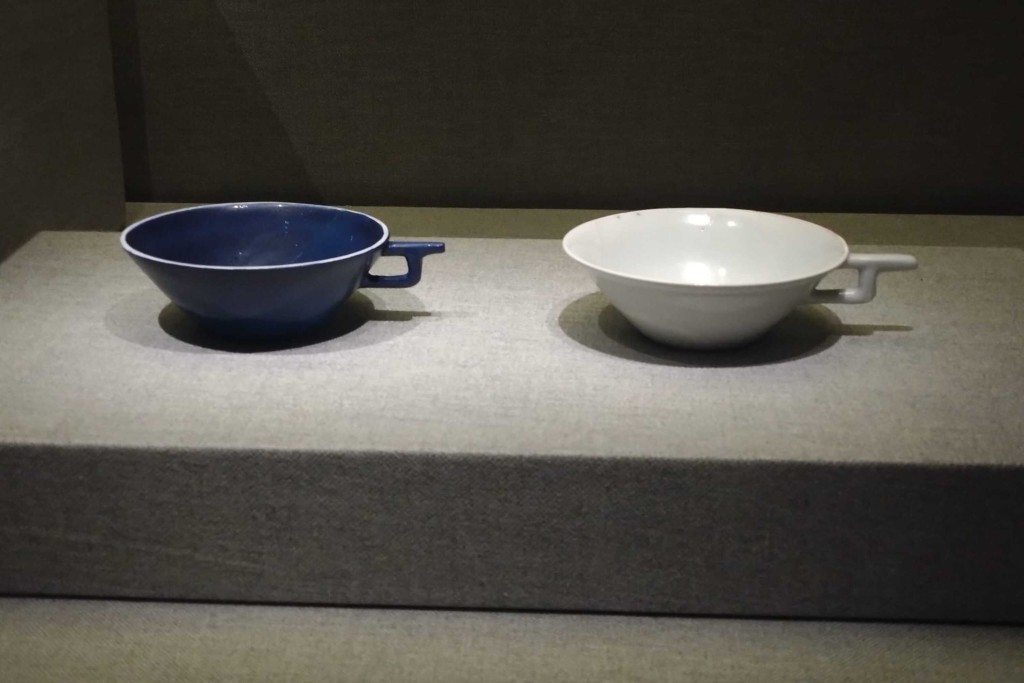
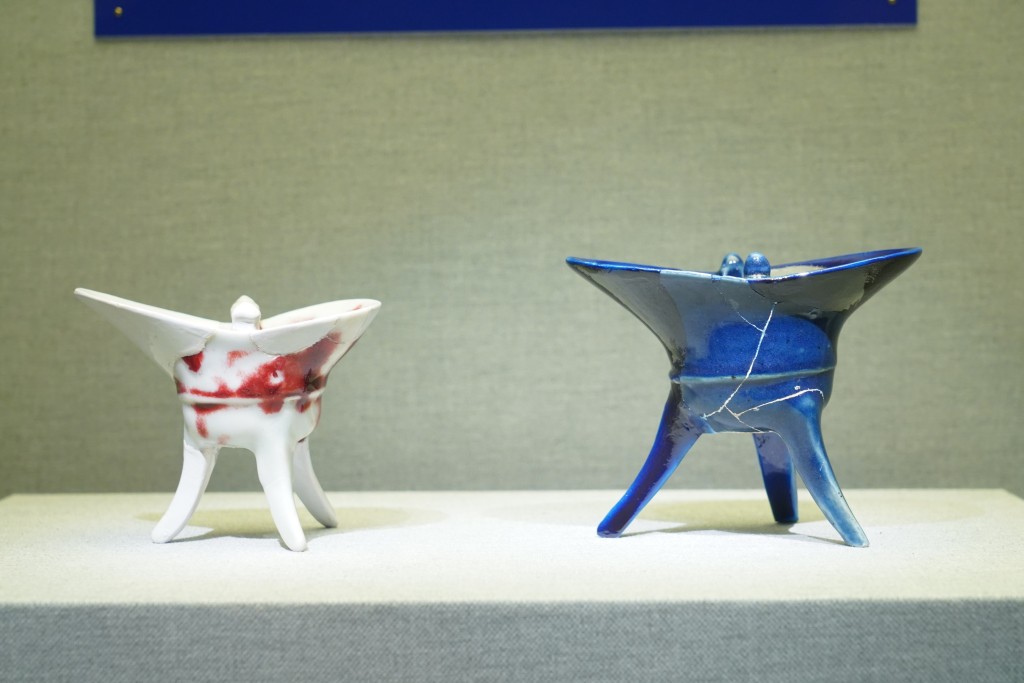
| The unique Bauhaus minimal style is shown in the cups. | The two colorful exhibits imitate the Liangzhu-style vessel. |
CUHK museum's new wing takes a minimalist Chinese aesthetic
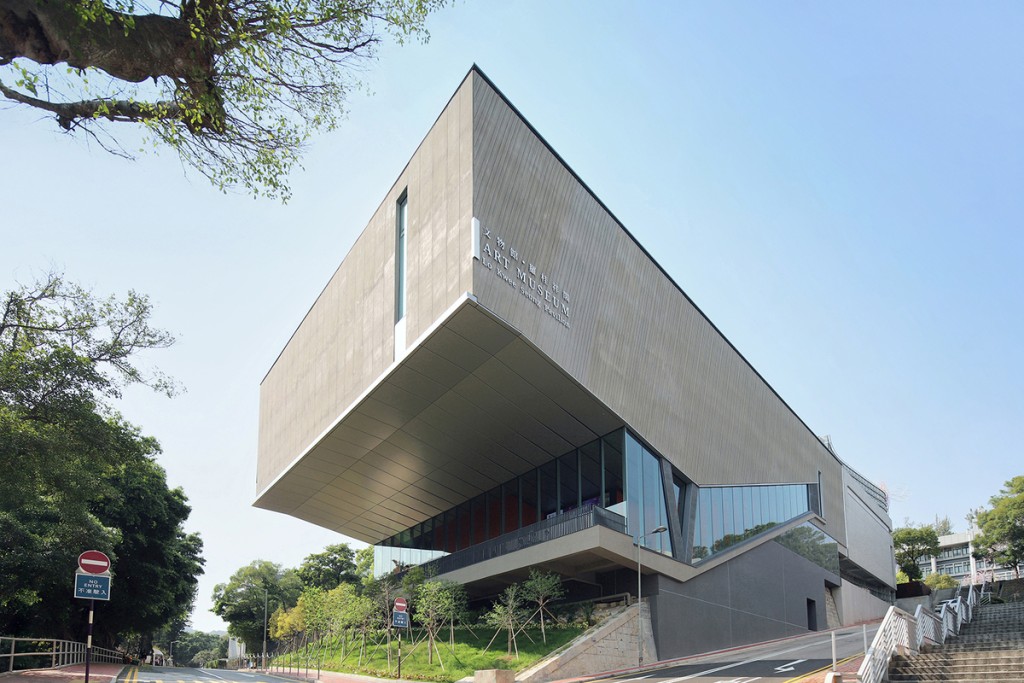
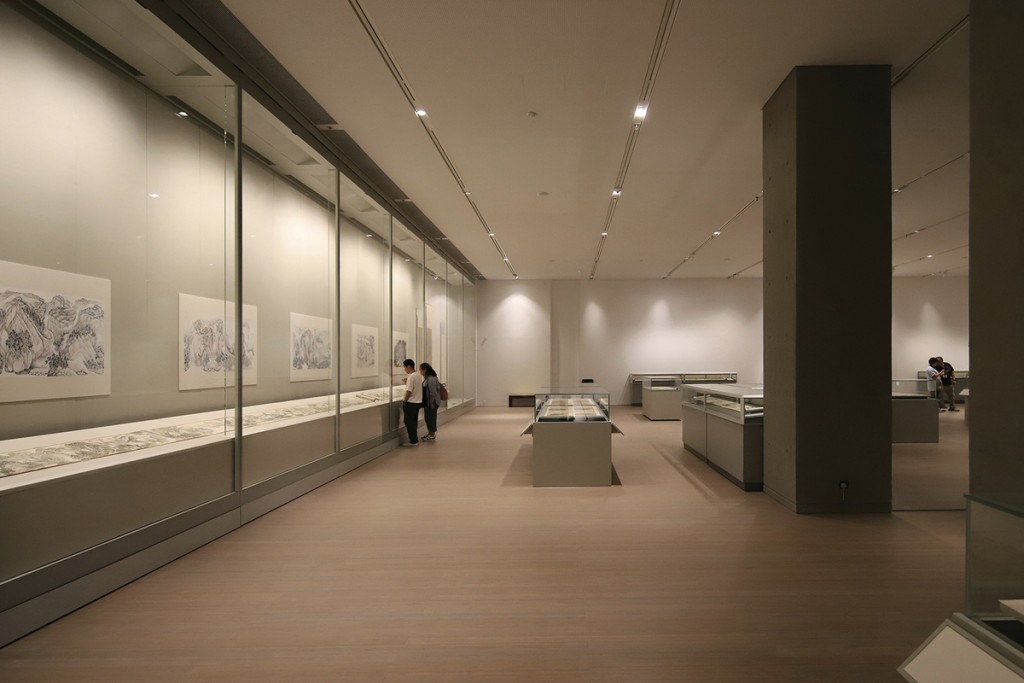
The newly completed extension of CUHK's Art Museum, Lo Kwee Seong Pavilion, not only unites artistry with functionality, but also establishes a unique poetic realm that fuels scholarly discovery.
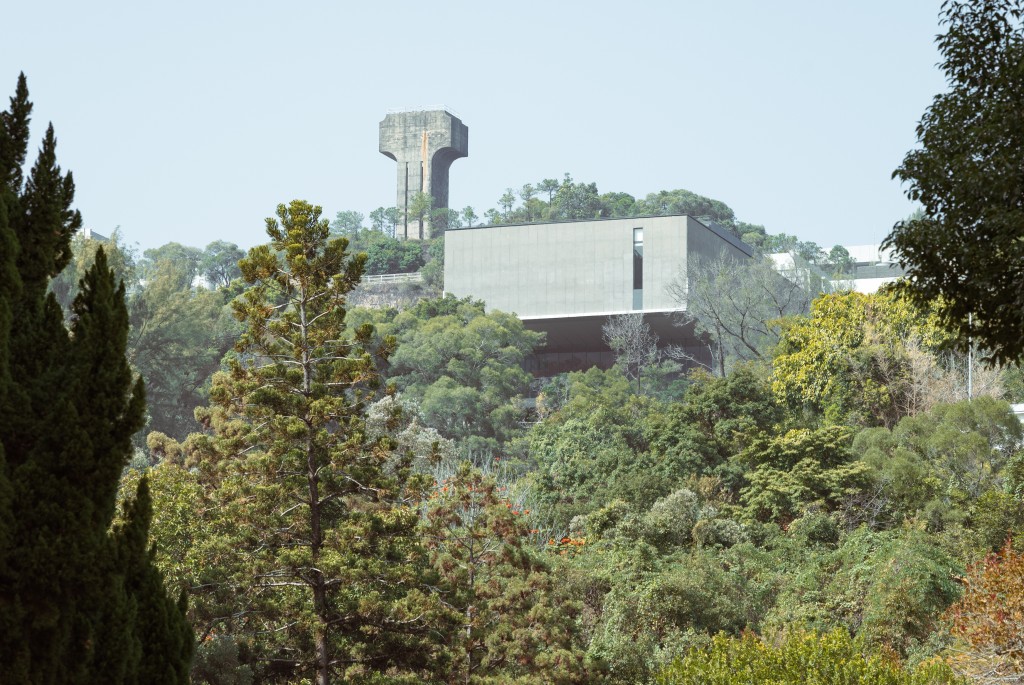
Perched atop the campus's hill terrains, the new building exudes a serene aura, standing undisturbed by the outside world, which aligns with the institution's academic mission, director Josh Yiu said.
Designed by Rocco Yim, the same architect who designed the Hong Kong Palace Museum, the wing was honored with the Hong Kong Institute of Architects' Medal of the Year for 2025.
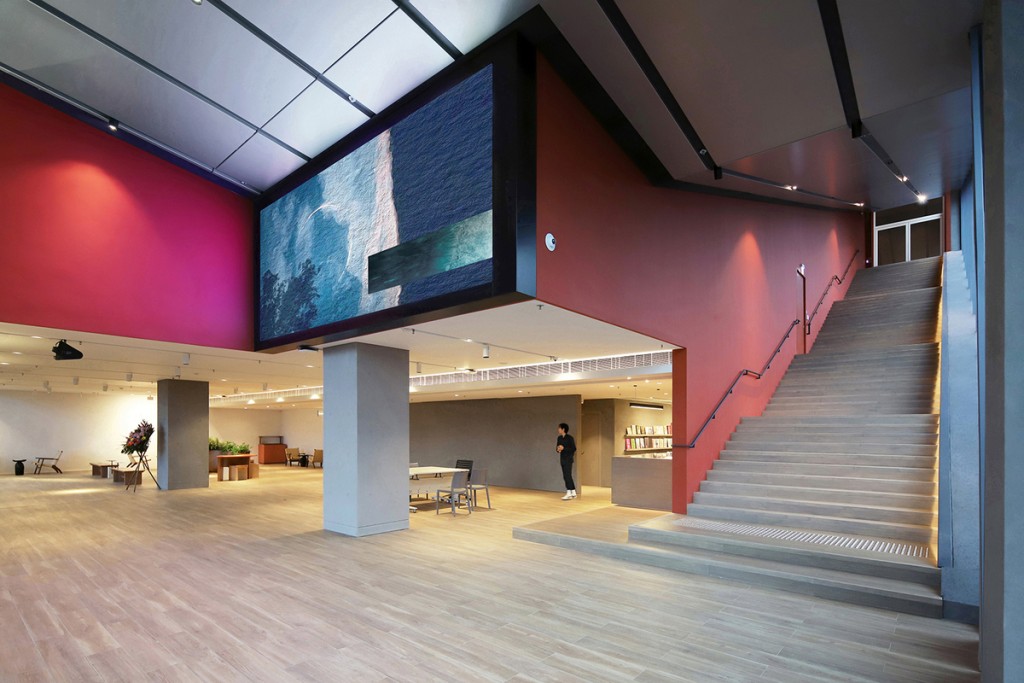
The new wing integrates artistic flair with practical design from the interior to the exterior. Rocco Design Architects| | | | |
Inspired by Chang Dai-chien's The Set of Four Landscapes, a masterpiece from the museum's collection, the new extension features a humble yet textured concrete facade that contrasts with the lush greenery.
With a supported V-shaped cantilever, the wing appears to float in the wooded mountains, evoking the artistic concept of "tree shades under the rock."
The structure also pays tribute to the museum's donor Lo Kwee-seong, founder of the renowned Vitasoy beverage brand.
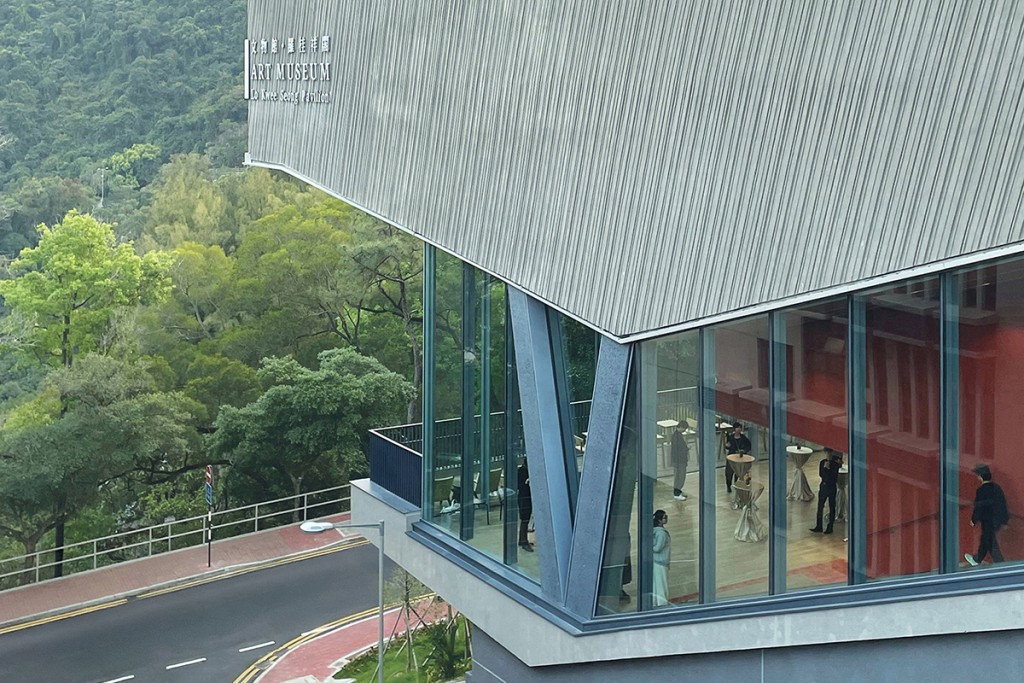
Within the new gallery, a floor-to-ceiling window features the traditional Chinese garden technique of "borrowed scenery," seamlessly integrating the natural landscape of Kau To Shan into the interior space.
Yiu noted that this modern interpretation of the "every step reveals a new view" concept not only creates a sense of spaciousness but also offers visitors a refreshing experience.
Despite its modest footprint of 1,770 square meters, the new wing's interior spaces include exhibition galleries, a gift shop, a carpentry workshop, a cafe, and a versatile teaching area where appreciative teachings and other events have been held.
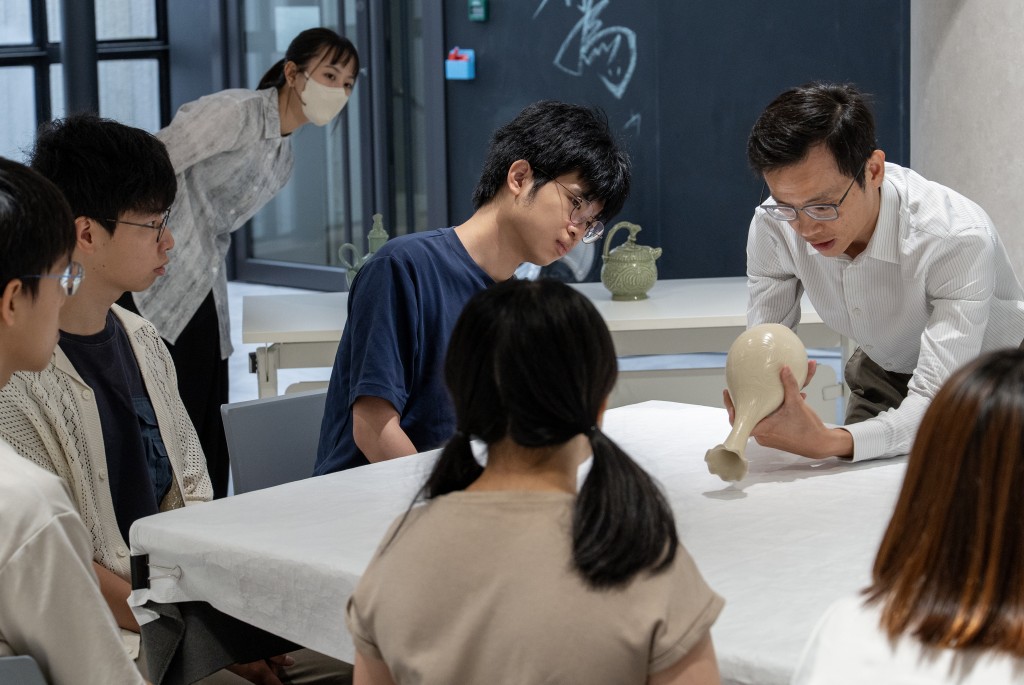
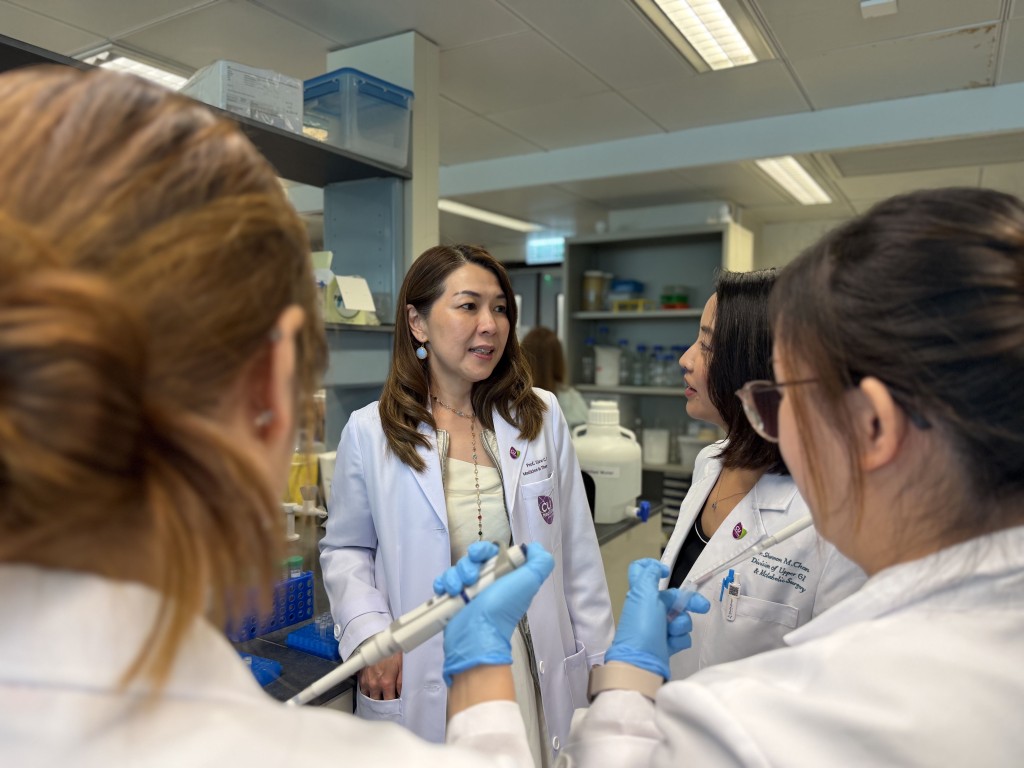
| Josh Yiu engaged with medicine students in the appreciating workshop at the new Art Museum. CUHK | The extension evokes the artistic concept of 'tree shades under the rock.' CUHK |
Bring Chinese art to the world's leading academic museums
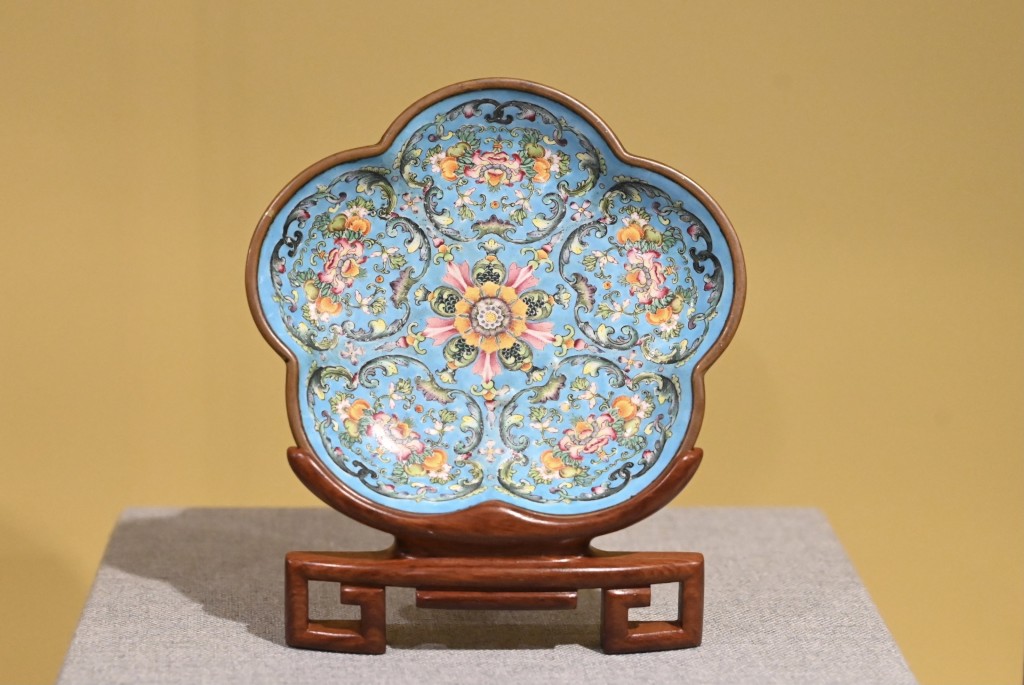
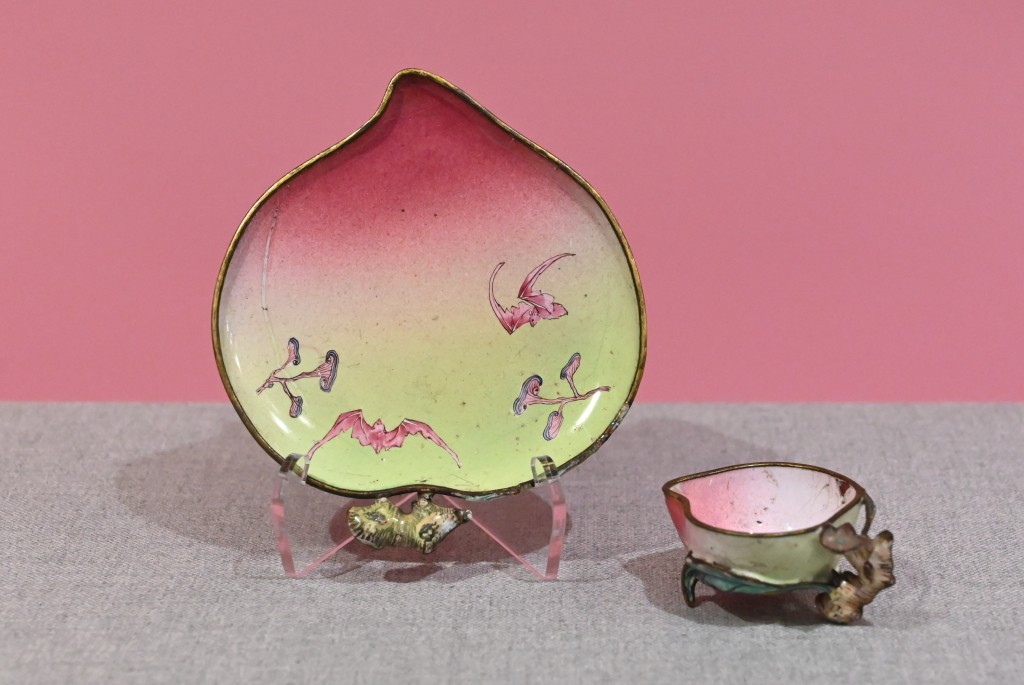
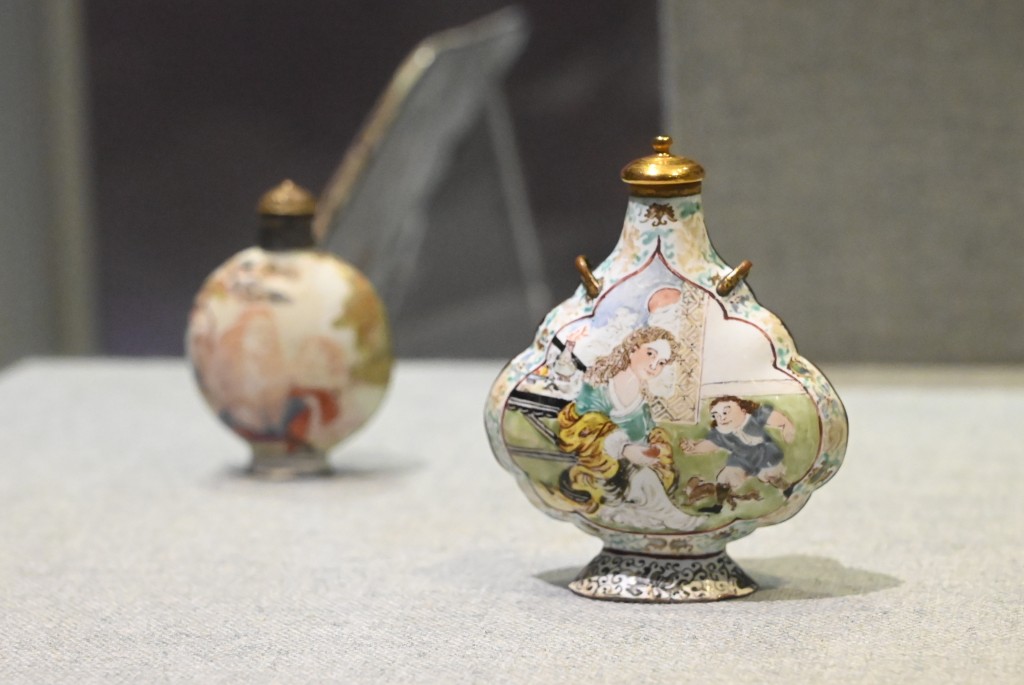
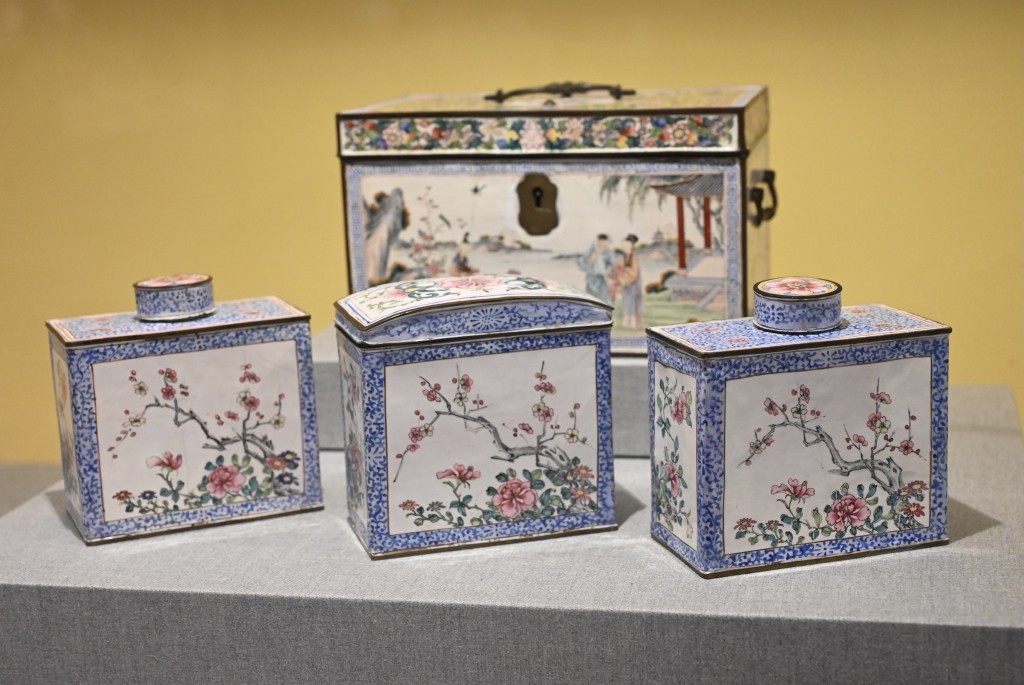
Chinese University's Art Museum will bring to the UK its Canton enamels exhibition, as part of its mission to showcase Chinese art to the world.
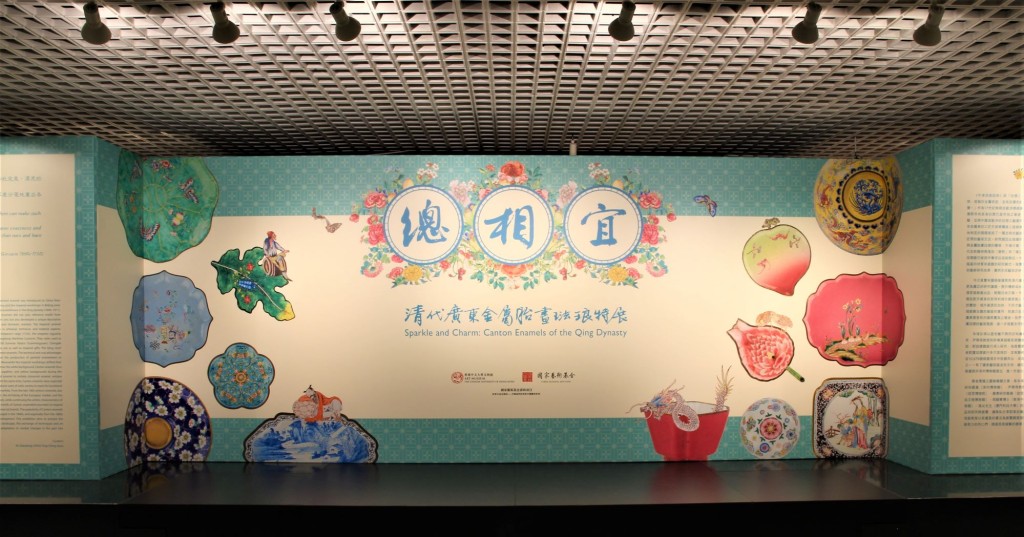
'Sparkle and Charm Canton Enamels of the Qing Dynasty' exhibition in Hong Kong received overwhelming responses in 2022. CUHK
"Sparkle and Charm: Canton Enamels of the Qing Dynasty" is Hong Kong's first art promotion project supported by the China National Arts Fund. Following a seven-month-long showcase in Hong Kong from 2022 to 2023, the exhibition has traveled to Tianjin, Shanghai, and Hubei, and is set to tour the UK soon.
Various exquisite enamels will tour the UK this year.| | | | |
In line with CUHK's role to combine tradition with modernity, and to bring together China and the West, this establishes Hong Kong as a hub for Chinese cultural exchange, Yiu said.
He noted that promoting Chinese culture to the world has to resonate with modern audiences, rather than merely presenting treasures, adding that this requires dedicated research to reveal new narratives, allowing visitors to engage heritages in meaningful ways.
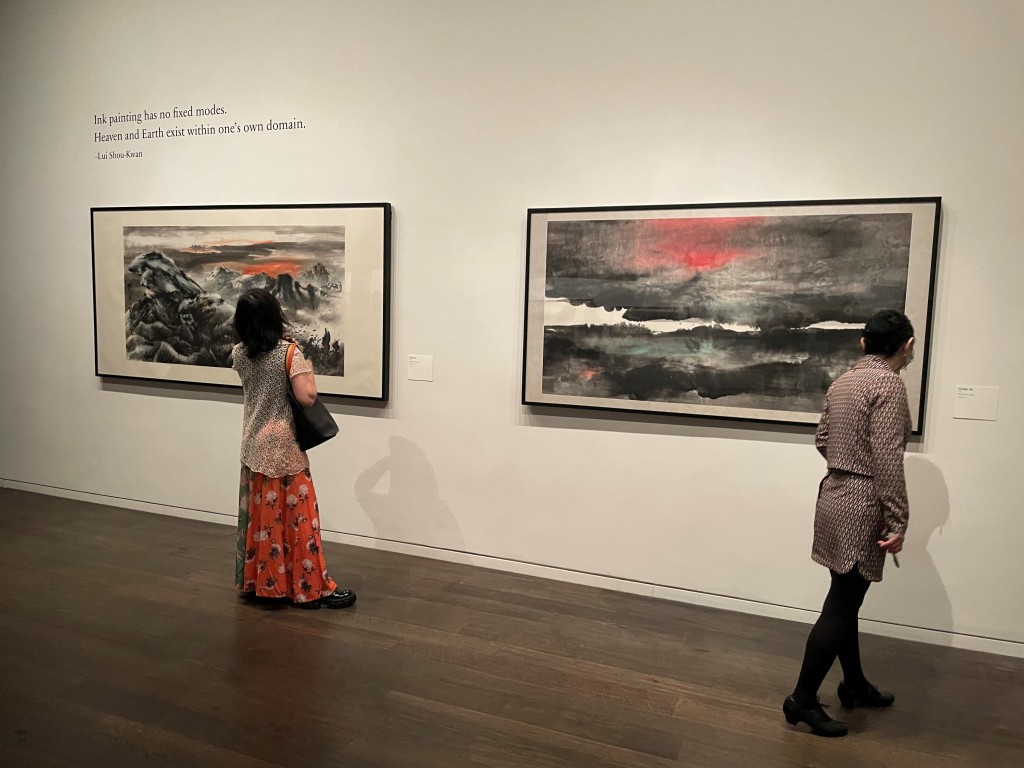
'Ink Play Paintings by Lui Shou-kwan' exhibition in the Art Institute of Chicago in 2023. CUHK
Besides, the museum has brought "Ink Play: Paintings by Lui Shou-kwan" to the Art Institute of Chicago in 2023, after traveling to the National Art Museum of China.
It is the first retrospective of the Hong Kong artist, who founded the New Ink Art movement, in a major American museum.
He pointed out that Lui's international acclaim even preceded that of his peer Wu Guanzhong, as Lui’s works were collected by Oxford's Ashmolean Museum earlier than Wu’s.
Thanks to generous donors, there is a robust collection featuring Ming and Lingnan masters, and the museum actively lends pieces overseas. Yiu takes pride in seeing the CUHK displayed credit in exhibitions around the world.