Malaysian Prime Minister Anwar Ibrahim recently announced that any Israeli citizens found in the country will be immediately deported, ultimately forcing the abandonment of a massive investment plan for a tech community, as reported by East Week magazine, a sister publication of The Standard.
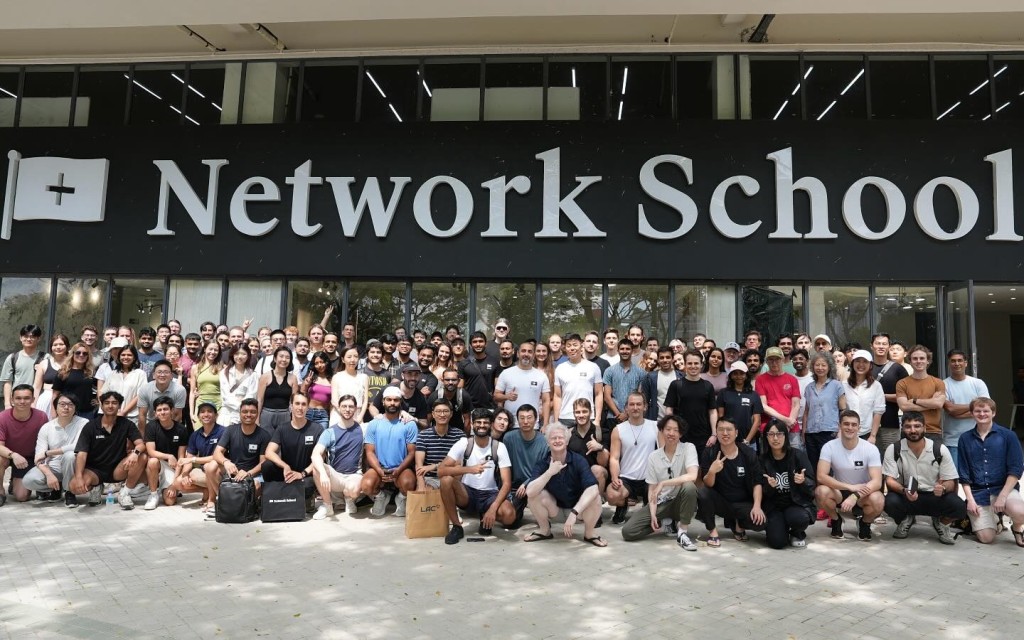
This latest spat in Malaysia-Israel relations originates from US investor Balaji Srinivasan's plan to inject nearly HK$1 billion in Johor, southern Malaysia, to build a remote work-focused tech commune called "Network School," modeled after Silicon Valley in the United States.
The plan came under public scrutiny when its promotional video, which featured a gathering ceremony, sparked speculations about cult activities and later about the infiltration of Israelis, who are banned from entering Malaysian soil by law.
Network School is a digital nomad commune founded by Balaji Srinivasan. INSTAGRAM OF NETWORK SCHOOL
Authorities followed up by investigating over 200 foreign residents in the community, one of whom came to be found to hold Israeli citizenship while also holding a US passport and was ordered to leave the country.
On July 15, Prime Minister Anwar Ibrahim ordered that all Israeli citizens – including those entering the country on "second-country passports" – will immediately be deported without exception.
It soon followed that the business license of Network School was revoked, effective July 22, leaving the HK$200 million initial investment in the digital nomad community to waste.
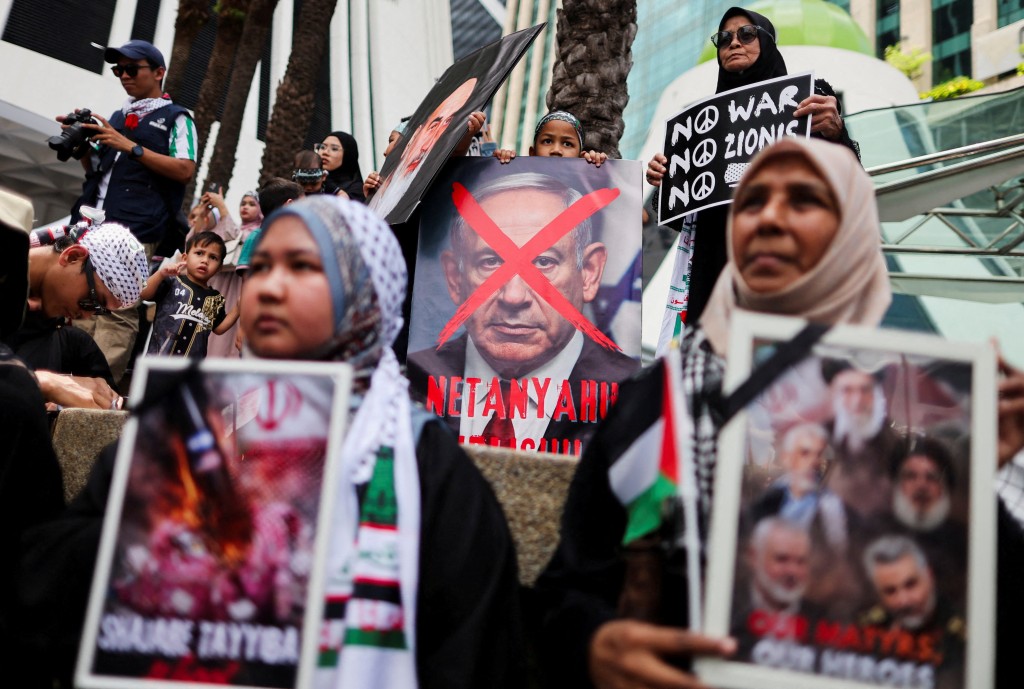
Anti-Israeli sentiment in Malaysia has grown alongside the escalating Israel-Palestinian conflict. PHOTO BY REUTERS
Malaysia does not formally recognize Israel and prohibits its own citizens from setting foot on Israeli soil by an explicit clause in all Malaysian passports.
Since its founding, Malaysia has maintained an "anti-Israel, pro-Palestine" policy, refraining from establishing diplomatic relations or exchanging embassies with Israel.
The core of their dispute lies in differing religious affiliations, where Malaysia has Islam as its official religion, while Israel is centered on Judaism.
Efforts to mend relations have been thwarted by the escalating Israeli-Palestinian conflict in recent years, with Malaysia accusing Israel of seizing Palestinian land and Israel criticizing Malaysia for engaging with Hamas.
Critics say that although Malaysia's recent move to expel Israelis has garnered appeal among its Muslim population, it poses a threat to the national economy. Despite the lack of formal trade, the two countries have dealt business through third parties such as US-funded companies, spanning semiconductors, electronics and agricultural products, amounting to over 10 billion ringgit annually.