Read More

US core capital goods orders fall in April
28-05-2026 22:35 HKT
US first-quarter GDP growth revised lower to 1.6 percent pace
28-05-2026 22:22 HKT



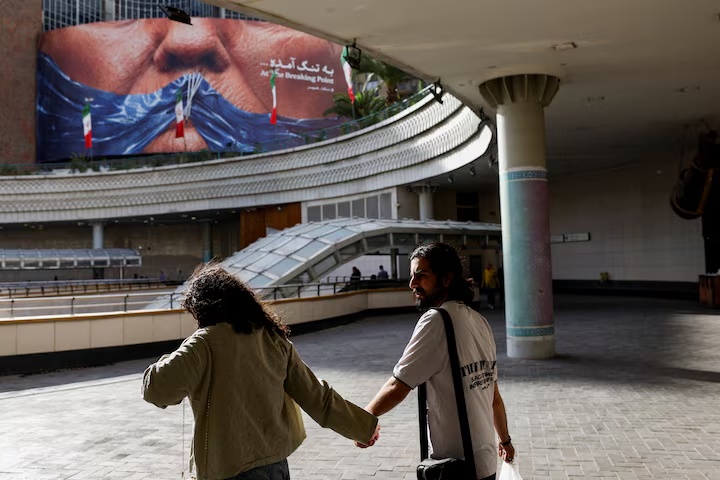
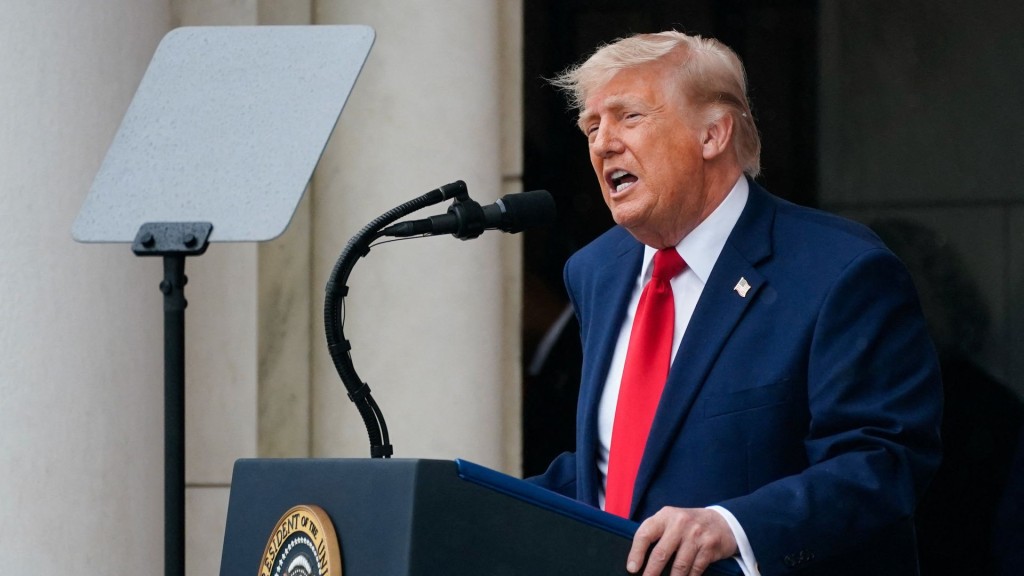
President Donald Trump finds himself in a bind as he seeks to end the war against Iran: he is under pressure to reopen the Strait of Hormuz and get U.S. gasoline prices down but at the same time faces a potential backlash from Iran hawks in his own party over any concessions to Tehran.
Trump’s dilemma became clear during a week of hectic diplomacy marked by word of an emerging framework deal that, according to sources familiar with the matter, would extend a current ceasefire and release Iran’s stranglehold on the vital oil-shipping route while deferring discussions of its nuclear program.
Such an interim agreement, if approved by Trump and Iran’s rulers, would amount to the most significant step toward peace since he joined with Israel in attacking the Islamic Republic on February 28, and could ease the soaring energy prices the conflict has triggered.
But it could also draw the disapproval of a key segment of Trump's base - influential Republicans clamoring for him to "finish the job" by resuming strikes to close Tehran's path to a nuclear weapon, his main stated reason for going to war.
Earlier this week, some of Trump’s hardline anti-Iran allies responded to reports of a possible deal with criticism, even arguing that he might gain little beyond the 2015 Iran nuclear deal negotiated by former President Barack Obama and scrapped by Trump during his first term.
Senior Republicans rarely at odds with Trump, including Senators Lindsey Graham, Roger Wicker and Ted Cruz, urged the president not to compromise.
Trump pushed back, insisting he was in “no rush” and would only accept a “great” agreement.
Caught between the competing demands - a quick solution to high gas prices and an end to Iran's nuclear ambitions - the president has little room to maneuver.
“Trump's rhetorical swings and abrupt reversals of the past week suggest a president trying to park a wide war in a tight spot,” said Laura Blumenfeld, a Middle East expert at Johns Hopkins University.
A White House official said "negotiations are proceeding nicely and he has made his redlines clear."
"President Trump will only make a good deal for the American people, which must ensure that Iran can never have a nuclear weapon," the official said on condition of anonymity to discuss sensitive internal matters.
Leaks to the media on Thursday about the terms of the “memorandum of understanding" suggest the proposed deal leaves many of the thorniest questions unanswered.
Those include what the strait’s long-term status will be, what will happen to Iran's stockpile of near-weapons-grade enriched uranium and the details of potential sanctions relief.
The emerging framework, while averting military escalation, would at this stage fall far short of Trump's earlier demand for "unconditional surrender" and his vow to dismantle Iran's nuclear program. Iran has insisted it is only for peaceful purposes.
“If these terms are accurate and if a deal is concluded, the Islamic Republic appears to be getting more in the MOU than the U.S.,” Jason Brodsky, policy director of United Against Nuclear Iran, a nonprofit policy organization, said on X. “A pledge for more nuclear talks? Be wary."
Iran's Tasnim news agency said the text of the agreement had not been finalized. Trump has several times before said a deal was close, and there was no guarantee that the latest effort would succeed where others have not.
This week's diplomatic flurry has played out against the backdrop of a fresh but limited exchange of strikes that has strained the fragile truce between the U.S. and Iran.
Analysts say Trump appears to be trying to find a balance between getting Iran to give ground on key issues while in return offering only limited compromises that will still allow him to frame the outcome as a win.
Getting the strait reopened would be welcomed internationally, but Trump would just be regaining the free flow of shipping that existed before he started the war.
Meanwhile, the political and economic clocks are ticking for the president, whose public approval ratings have hit new lows.
Midterm elections are looming in November, with his fellow Republicans struggling to maintain control of Congress, and new assessments suggest that if the conflict continues there will be deep damage to the global economy.
Iran appears to be seeking some easing of sanctions up-front to boost its crippled economy, which Trump critics fear he may be unable to resist in pursuit of a war-ending deal.
But at a cabinet meeting on Wednesday, Trump seemed to respond to his critics by reiterating maximalist positions and insisting he didn’t care about the midterms. His aides have privately expressed concern that high gasoline prices could damage Republicans' electoral prospects.
Iran has shown it is confident it has the upper hand, having proved it can survive the military onslaught and throttle one fifth of the world’s oil supplies, analysts say.
"The president gives every sign of wanting this over soon,” said Jon Alterman of the Center for Strategic and International Studies think tank. “That makes the Iranians dig in their heels.”
The past week’s whiplash was nothing new for a president who campaigned promising to stay out of unnecessary wars, only to take the U.S. into a foreign entanglement without clearly articulating the rationale.
How he decides to end the conflict is expected to be major factor in defining his second-term foreign policy legacy, analysts say.
Reuters