





Read More




Amber rainstorm upgraded to red as heavy thundershowers hit HK
08-06-2026 02:21 HKT
Sakurajima volcano erupts, covers Kagoshima in 'grey rain'
08-06-2026 06:29 HKT


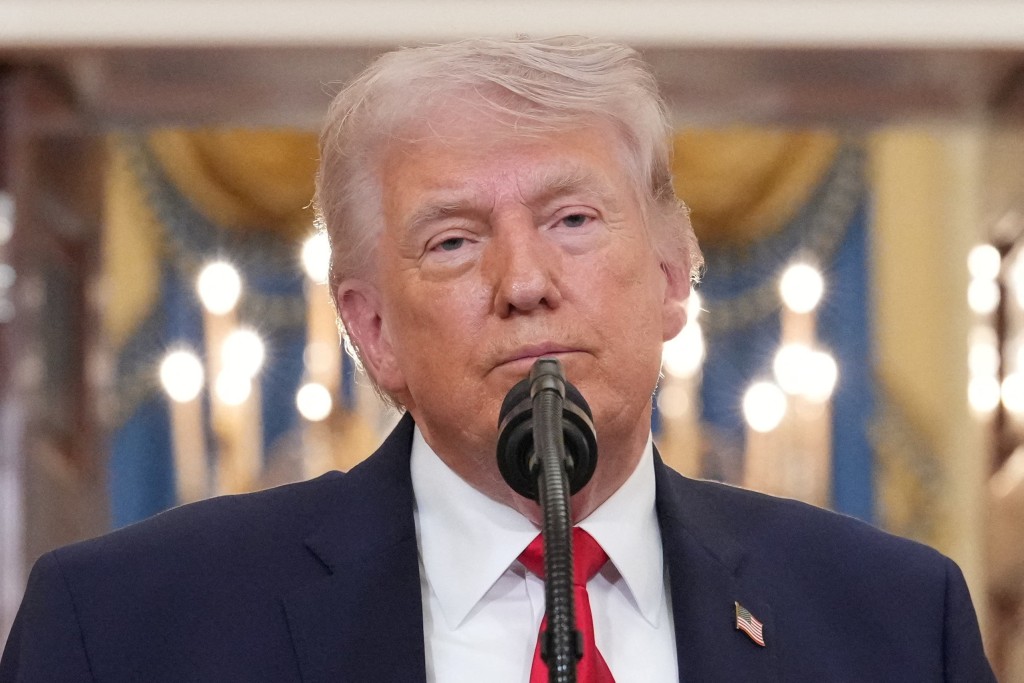
In a dramatic and highly perilous operation that has captured global attention, the United States military has successfully rescued an airman who was stranded deep inside Iran after his F-15E fighter jet was shot down.
The complex mission involved hundreds of special forces personnel, dozens of aircraft, and a critical behind-the-scenes deception campaign orchestrated by the CIA.
The entire rescue mission was a masterclass in high-risk execution. According to details revealed by President Trump after the successful operation, the US deployed approximately 200 special operations soldiers, including members of the renowned SEAL Team Six, who were famously involved in the 2011 raid that killed Osama bin Laden.
The mission unfolded deep in the mountainous terrain of southwestern Iran, with American attack aircraft providing crucial fire support.
Initially, there was significant concern within the US command that the distress signals from the downed weapons systems officer could be an elaborate trap set by Iran to lure American forces into an ambush.
After intercepting the crewman's signal, intelligence officials spent precious time verifying its authenticity.
Once confirmed on Saturday morning, the information was relayed to the Pentagon and the White House, which immediately ordered the rescue. An official familiar with the operation noted the incredible speed of the response, stating that American aircraft were airborne within eight hours and had arrived in Iran in under twelve.
Beyond the daring raid by special forces, the Central Intelligence Agency (CIA) played a pivotal, behind-the-scenes role in locating the airman and misdirecting Iranian pursuit efforts. The New York Times reported that the stranded officer hid in the mountains for over 24 hours.
During this time, the CIA used its proprietary technology to pinpoint his location while simultaneously planting false intelligence within Iran to draw enemy forces away from his hiding spot, buying invaluable time for the rescue team.
Former CIA station chief Dan Hoffman explained in a Fox News interview that the agency deliberately misled Iran into believing the US was preparing for a sea-based rescue. This diversionary tactic drew Iranian attention to the coast, while the actual extraction was secretly carried out from the mountains. The CIA was tasked with both tracking the airman's position and monitoring the movements of Iranian forces closing in.
The rescued airman endured a grueling ordeal. After ejecting from his stricken jet on Friday, he suffered an ankle injury but knew he could not stay put. He bravely climbed a 7,000-foot mountain ridge, found shelter in a rock crevice, and began transmitting intermittent signals from his personal beacon, carefully limiting the transmissions to avoid detection.
As the special operations team closed in on the officer's hillside position, US warplanes launched preemptive airstrikes on the surrounding area. They also jammed electronic signals and bombed main roads to prevent Iranian forces from reaching the location first.
President Trump monitored the entire operation from the White House Situation Room and later confirmed that there were no American casualties. He stated that Iranian forces had used a shoulder-fired missile to bring down the F-15E, an event he described as them just "getting lucky."
In an interview with Axios after the rescue, Trump revealed the intense pressure of the situation, explaining that thousands of hostile individuals, including locals incentivized by a government bounty, were hunting for the American pilot.
The President recounted how US officials, after receiving a radio message, briefly feared the pilot had been captured and that Iran was "sending fake signals" to bait them. Ultimately, technology led the rescue team to the rock crevice where the airman was hiding, bringing the tense international incident to a successful close.