Read More





+1

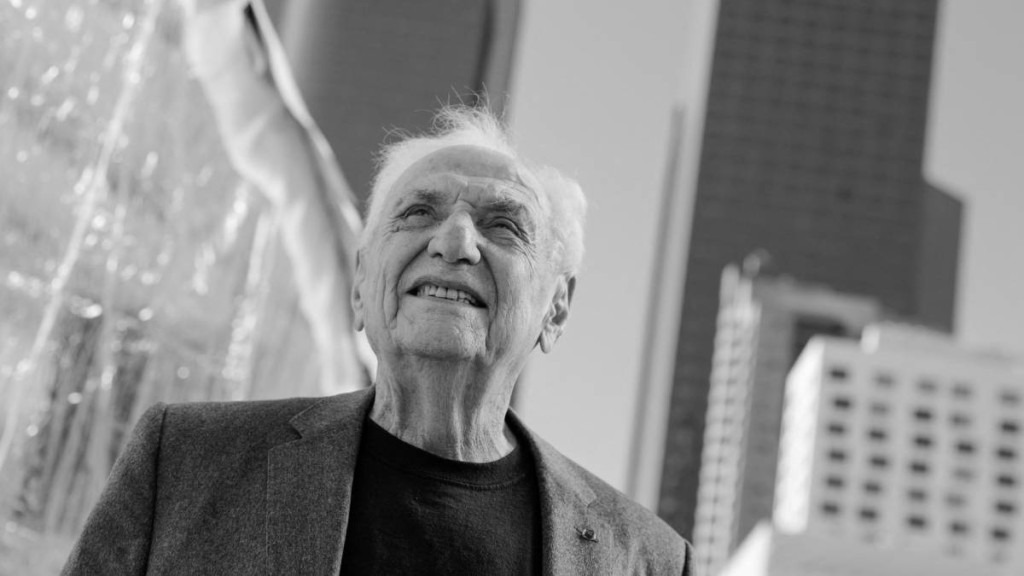
Frank Gehry, the visionary Canadian-American architect whose swirling titanium masterpiece in Bilbao redefined modern museums, died Friday at his home in California. He was 96.
ADVERTISEMENT
SCROLL TO CONTINUE WITH CONTENT
Gehry, born Frank Owen Goldberg in Toronto in 1929 to a working-class Jewish family, moved to Los Angeles in the late 1940s.
He studied architecture at the University of Southern California and later at Harvard’s Graduate School of Design.
After founding his own firm in 1962, Gehry developed a radical style that rejected symmetry and embraced fragmented geometry, raw materials, and flowing curves—an approach that became known as deconstructivism.
His buildings often resembled giant sculptures, blending steel, titanium, glass, and unfinished surfaces.
He is most famous for the Guggenheim Museum in Bilbao, Spain, its shimmering metallic skin drawing millions of visitors and sparking urban revival after its completion in 1997.
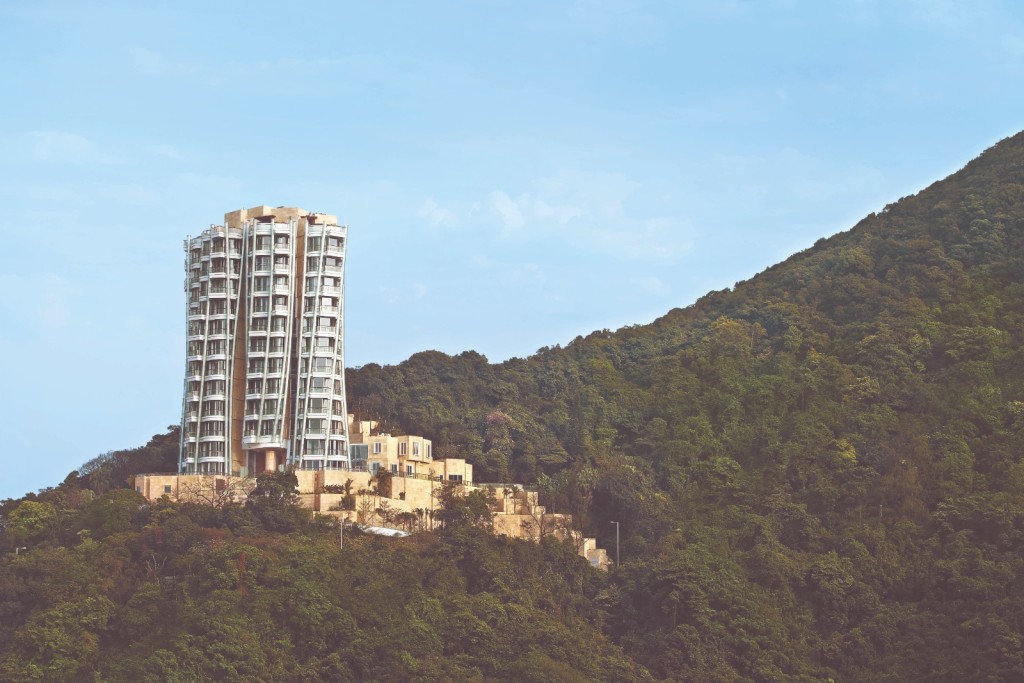

Other landmarks include the Walt Disney Concert Hall in Los Angeles (2003), the New World Center in Miami (2011), the Louis Vuitton Foundation in Paris (2014), and the residential tower Opus Hong Kong for Swire Properties.
In 1989, at age 60, Gehry received the Pritzker Architecture Prize, the profession’s highest honor.
The jury praised his refined yet adventurous work as the architectural equivalent of jazz—improvisational, lively, and unpredictable.