Read More










Mother and daughter die in successive falls from same Tai Koo Shing block
11-06-2026 00:05 HKT

100 y/o biologist David Attenborough shares 4 longevity habits
07-06-2026 12:00 HKT


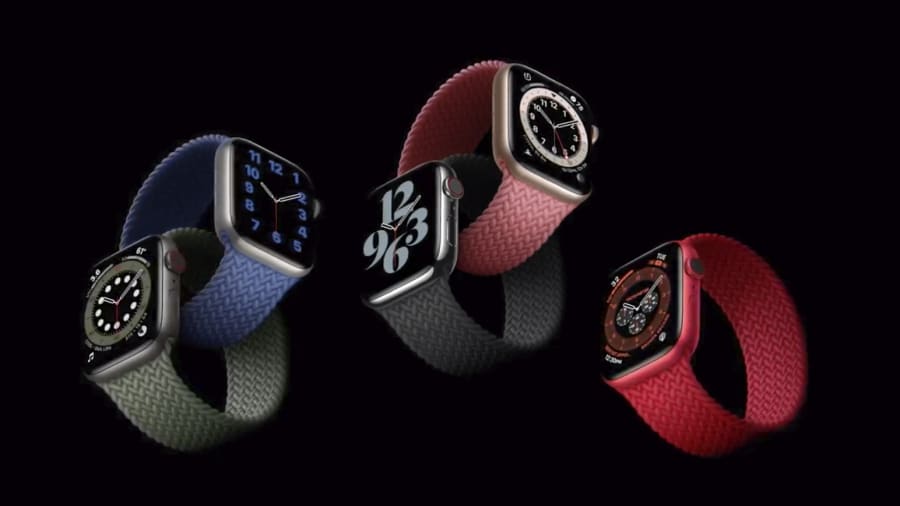
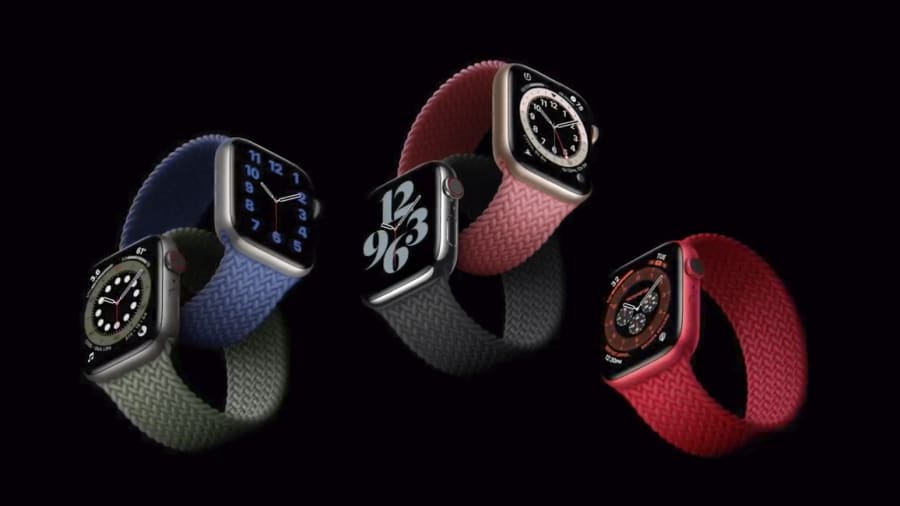
For the past week, I have been testing the new Apple Watch Series 6. It is very similar to the Apple Watch Series 5 launched last year. It even looks the same, unless you check out the new sensors on the bottom or buy one of the the new red or blue models, CNBC's Todd Haselton writes.
You ca not really think of a new Apple Watch model the same way you do a new iPhone. People buy new phones every couple of years, while the smartwatch market is still just getting started. Canalys expects only 150 million people, total, will have smartwatches in 2020. By way of comparison, Apple was regularly selling more than 200 million iPhones a year up to 2018, when it stopped reporting unit sales.
But people are buying them, even during the coronavirus pandemic and extreme economic uncertainty it’s created — Canalys also said shipments grew by 12 percent in the first quarter.
So when I think about the new Apple Watch Series 6, I am still thinking about people who have never owned a smartwatch and want to take the plunge. For that audience, it is the best smartwatch you can buy, although the US$399 starting price is not cheap, and Apple does offer some less-expensive options.
The Series 6 does have some options that could spur some upgrades from previous versions, like an always-on screen that gets slightly brighter when you tilt your wrist, which is great for checking notifications or looking at the screen when you are outdoors. It is faster than last year’s model thanks to a new chip. It also has a new blood oxygen sensor, but this is meant as a “wellness feature” and not a replacement for a medical-grade device, so don’t buy it for that reason alone.
The Series 6 is a hair faster than last year’s Series 5, opening apps about one second faster, and has a brighter always-on display, which helps when outdoors.
I like that it has all of the features introduced in earlier models, like the electrocardiogram option, and provides high and low heart-rate notifications (as the cheaper Series 3 and Series SE do).
The biggest new feature is a blood oxygen sensor. It is easy enough to use: just open the app, rest your arm on a table and it will read out your oxygen.
But I don’t know what I’m supposed to learn from it. Sometimes it says I have a 96 percent blood oxygen saturation. Sometimes it says 99 percent. I don’t really know what that means, and Apple does not explain beyond that anything above 90 percent is normal.
Apple says you might want to use the sensor at high altitudes, like during a hike, to see how you are adjusting. But you should not use it for medical purposes, like if you think you might have coronavirus and want to watch your oxygen levels. For that, you should get an FDA-certified device.
Apple is running three different studies to see how oxygen saturation levels can help people understand their health more. But, for now, don’t use it for medical purposes.
I like the new blue, which is fun but not too shiny and not too bold like the red model. I appreciate that the colors are offered in the most-affordable aluminum tier, which starts at US$399.
If you can spend more, I recommend stepping up to a stainless steel model, since those models and higher (titanium) come with the harder sapphire screens that are more resistant to scratches than the glass on the regular Series 6. Stainless steel models start at US$699 but include cellular sensors, too, so you can place calls, receive texts or stream music without an iPhone nearby.
Finally, the Apple Watch software is still the best of any smartwatch on the market. It is fast, there are thousands of apps that you can bring up on your wrist, and it is a lot of fun to try to close the rings that indicate whether you are getting enough exercise and burning enough calories. All the models work with Apple Pay so you can tap your watch to buy stuff at the store — particularly convenient during the coronavirus pandemic, when you might not want to touch a payment screen.
My biggest complaint is battery life. Apple still promises 18 hours of on time, which is fine but not great considering Fitbit and Garmin offer many days of battery life. But Apple wins against those with way better software.
At least the Series 6 charges in 1.5 hours, versus 2.5 hours for earlier models.
It is a little boring that it still looks pretty much the same as the Series 4 and the Series 5 Apple Watches. On the other hand, I am not sure what Apple needs to change. It can not really slim it down while also adding a bigger battery, for example.
If you have never owned an Apple Watch and want the best, get the Series 6.
If you want to save some money, consider the Apple Watch SE, which starts at US$279. You will just miss the always-on display, the slightly faster processor, blood-oxygen tracking and faster charging. But you still get water-resistance, the great software, automatic fall detection, an always-on altimeter and everything else from older models.
If that is too expensive, you can even go with an Apple Watch Series 3, which starts at US$199, for the basics.