The European Cockpit Association plans to publicly call on European regulators on Friday to close a loophole that it says airlines use to avoid labor laws - hiring pilots and cabin crew through outsourcing agencies, rather than as direct employees.
That practice is common among airlines that hire out airplanes with crew, maintenance and insurance, known as ACMI, or "wet" leasing.
"Crew are disposable, a number in the system. You can get rid of them with a day's notice," ECA Secretary General Ignacio Plaza said in a statement to Reuters.
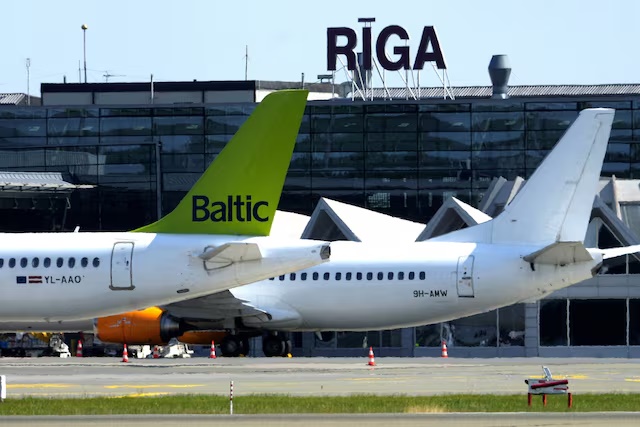
Latvia-based ACMI operator SmartLynx Airlines' sudden collapse last October left hundreds of pilots and cabin crew hired through outsourcing agencies without jobs and many without final paychecks.
Former SmartLynx workers told Reuters that the airline directed them to apply through third-party staffing agencies rather than hiring them directly.
SmartLynx was one of Europe's largest wet-lease providers, hired by airlines including Scandinavia's SAS, India's IndiGo and European leisure carrier TUI Airways to bolster capacity at times of need. It had 68 planes in its fleet in 2024, according to a company announcement from March 2025.
SmartLynx's parent, Lithuania-based Avia Solutions Group, sold the airline last October for €1 million ($1.16 million) to a Netherlands-based investment fund formed a month earlier and two SmartLynx executives as minority owners. The airline had €238 million in debt, 73% of it owed to other Avia Solutions companies.
It folded in November, along with subsidiaries in Malta and Estonia.
The former CEO did not respond to a request for comment, and contact details for the Netherlands-based fund were not publicly available.
Contracts reviewed by Reuters allowed salary reductions, instant termination and limited employer obligations. A contract from Dubai-based Aerviva said any disputes would be settled in English courts.
An Aerviva spokesperson told Reuters that it never received the necessary documents from SmartLynx to issue final paychecks.
A 2025 University of Ghent study found nearly 14% of more than 4,000 pilots surveyed were not direct airline employees. Of those, 65% worked for ACMI operators. They reported worse mental health, greater reluctance to report fatigue and higher job insecurity.
"This is not only about one airline," Plaza said. "It is about whether Europe allows airlines to operate with workers who are essential in practice but invisible when responsibility is assigned."
Reuters