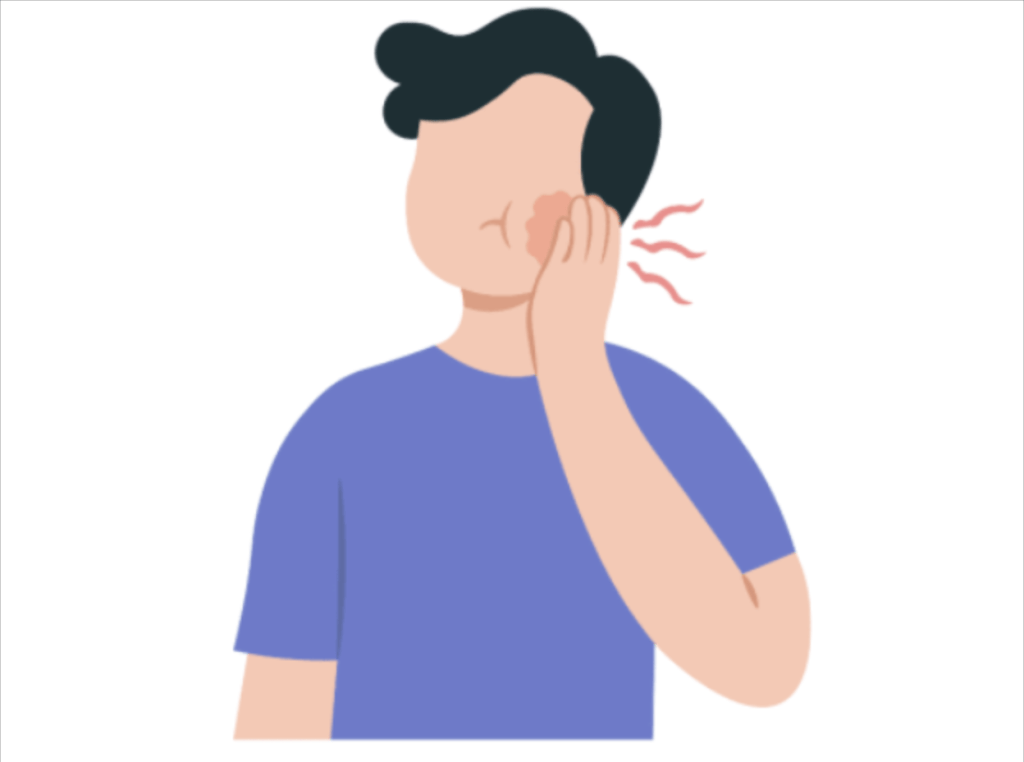
Tooth pain may seem like a minor issue, but it can also lead to necrosis of the dental nerve. Doctors point out that besides painkillers, there are 5 simple methods that can help quickly relieve toothache. However, doctors also remind that if tooth pain is accompanied by three specific symptoms, it cannot be delayed and requires prompt medical attention.
According to Taiwanese media 早安健康 (Good Morning Health), sudden, severe tooth pain can be unbearable, especially if you have to endure it without painkillers on hand. In fact, besides immediately taking non-steroidal anti-inflammatory painkillers like ibuprofen for emergency relief, compiling advice from multiple doctors, the following 5 methods can help quickly alleviate tooth pain. However, it's important to note that these methods only temporarily suppress the pain; they do not solve the underlying problem. Delaying medical treatment risks necrosis of the dental nerve.
What Methods Help Quickly Stop Tooth Pain?
-
Gargle with Salt Water
If the tooth pain is caused by cavities or inflammation, first gargle with warm salt water. This helps clean out oral debris and provides a preliminary anti-inflammatory effect. Additionally, the osmotic pressure of salt water is similar to that of cells, making it less likely to aggravate tooth discomfort when gargling. However, the pain-relieving effect of this method is limited; it only provides temporary relief and cannot cure cavities or periodontal disease. Medical treatment is still necessary.
- Gargle with Cold Water, Hold Ice Chips, Apply Cold Compress
During inflammation, the capillaries in the mouth become congested. Gargling with cold water can constrict the blood vessels, slightly easing the pain. If the pain is due to a cracked tooth exposing the nerve, holding ice chips in the mouth can temporarily numb the nerve to reduce discomfort. Additionally, applying a cold compress to the cheek is also effective, but avoid doing it for too long to prevent frostbite. It must be emphasized that these are emergency relief measures; subsequent medical treatment is still required to prevent worsening into severe swelling or infection. - Maintain a Sitting Position, Do Not Lie Down
When experiencing severe tooth pain, avoid lying down. Lying down brings the head closer to the level of the heart, which can increase blood pressure and intensify the pain. Clinically, doctors even use "whether the pain worsens with postural changes" as a basis for assessing tooth pain conditions. Therefore, when tooth pain is severe, maintaining a sitting position or elevating the head can actually reduce discomfort. - Apply Clove Oil Sparingly
Cloves can help calm nerves and relieve headaches or toothaches. If tooth pain is severe before seeing a doctor, use a cotton swab to dip in a small amount of clove oil, apply it sparingly to the painful area, and massage gently for temporary relief. Furthermore, clinically, components of clove oil are even used for patients with severe pulpitis or dry socket. However, this is an emergency method for when a dental visit is impossible at night; the issue still needs to be addressed by a dentist. - Reduce Chewing and Switch Chewing Sides
Pain caused by cavities, sensitive teeth, or inflammation of the dental nerve is often aggravated by stimulation during eating. The simplest method is to avoid chewing on the painful side and temporarily use the other side to prevent stimulation that worsens the pain.
Seek Immediate Medical Attention if Tooth Pain is Accompanied by 3 Major Symptoms, Be Cautious of Swelling in Two Areas
The report also indicates that although the above methods can buy some time for tooth pain, certain situations truly cannot be delayed. Many people mistakenly believe tooth pain is just a minor issue or endure it due to the hassle of seeing a doctor, which can lead to missing the critical window for treatment. The reason is that once a tooth becomes severely inflamed, it is difficult for it to heal on its own. Delaying treatment only worsens the condition, progressing from a small cavity to a deep cavity, and potentially developing into pulpitis, gum infection, eventually requiring root canal treatment, extraction, or tooth loss. Therefore, prompt treatment is crucial; not all tooth pain can be ignored. If the following 3 major situations occur, it is advisable to seek medical attention as soon as possible:
- Redness, Swelling, Heat, and Pain in the Head and Neck
This may indicate severe inflammation, abscesses, or swelling in the head and neck area. If the face is noticeably swollen and facial asymmetry is visible to the naked eye, be alert to the possibility of a serious infection that could subsequently lead to airway compression and breathing difficulties. - Accompanied by Fever, Localized Heat
If, in addition to heat in the affected area, there is also a fever, the infection may have spread, leading to serious conditions like cellulitis. In extreme cases, this can be life-threatening. - Broken or Knocked-Out Tooth
If a tooth is knocked out due to external force, avoid touching the root. Gently clean it with cold water, then try to place the tooth back into its socket, or immediately store it in milk or saline solution and seek dental care urgently.
Why Does Sharp Tooth Pain or Gum Pain Occur? What's the Difference?
According to information from the Department of Health, sharp tooth pain is caused by stimulation of the nerves in the dental pulp. Common reasons include:
- Cavities: Bacteria inside the cavity cause inflammation of the pulp, stimulating the pulp nerves.
- Exposed Dentin: Dentin is filled with tiny tubules. If these tubules become exposed due to gum recession or damage to the tooth surface (e.g., eroded by toothbrush abrasion or acidic foods), it leads to tooth sensitivity. Whenever the patient consumes cold, hot, sweet, or sour foods or drinks, it triggers these tubules, stimulating the pulp nerves and causing sharp pain. At the same time, plaque on the tooth surface releases acids that stimulate the pulp nerves through the exposed dentin.
- Cracked Tooth: A cracked tooth can expose the dentin or pulp, making the pulp nerves more susceptible to external stimuli.
Department of Health data indicates that gum pain is caused by inflammation of the periodontal tissues. Common reasons include:
- Cavities: Severe cavities can cause the pulp to necrose. Bacteria multiply inside the pulp and infect the periodontal tissues through the apical foramen, leading to inflammation and abscess formation.
- Periodontal Disease: Toxins from dental plaque cause inflammation of the periodontal tissues.
- Pericoronitis (Wisdom Tooth Inflammation): Food debris and bacteria easily accumulate between the crown of a wisdom tooth and the gum covering it, leading to inflammation of the periodontal tissues.