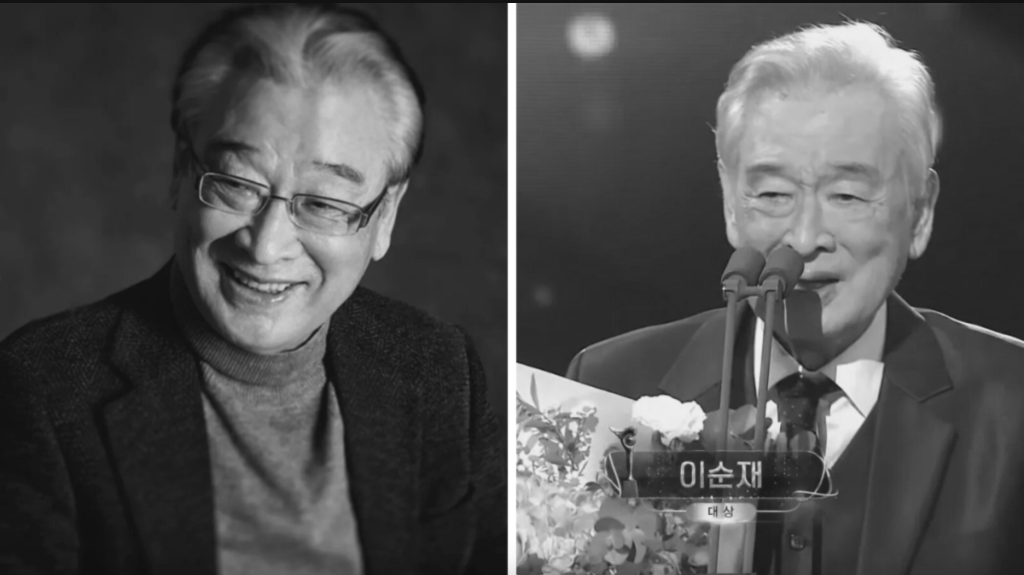
South Korea's beloved "National Grandfather," veteran actor Lee Soon-jae, passed away on November 25 at the age of 91. Reports indicated that his health had suddenly deteriorated since October of last year, experiencing "rapidly declining muscle strength." Experts explain that sarcopenia increases the risk of falls and fractures, leading to mobility issues in the elderly and a loss of independence. They point out 6 major symptoms that could signal the onset of this condition.
According to Yonhap News Agency, Lee Soon-jae was born in 1934. He developed an interest in acting while studying philosophy at Seoul National University and debuted in a play in 1956. Throughout his career, he appeared in over 140 television dramas. His participation in the variety show Grandpas Over Flowers made him popular across all age groups. As the "oldest active actor," he remained active on screen and in theater until recent years. While he withdrew from a stage play in October 2024 due to health reasons, he had made a public appearance earlier this year at the KBS Drama Awards, where he received an award.
70% of Hong Kong Elderly at Risk for Sarcopenia; Decoding the 6 Major Characteristics
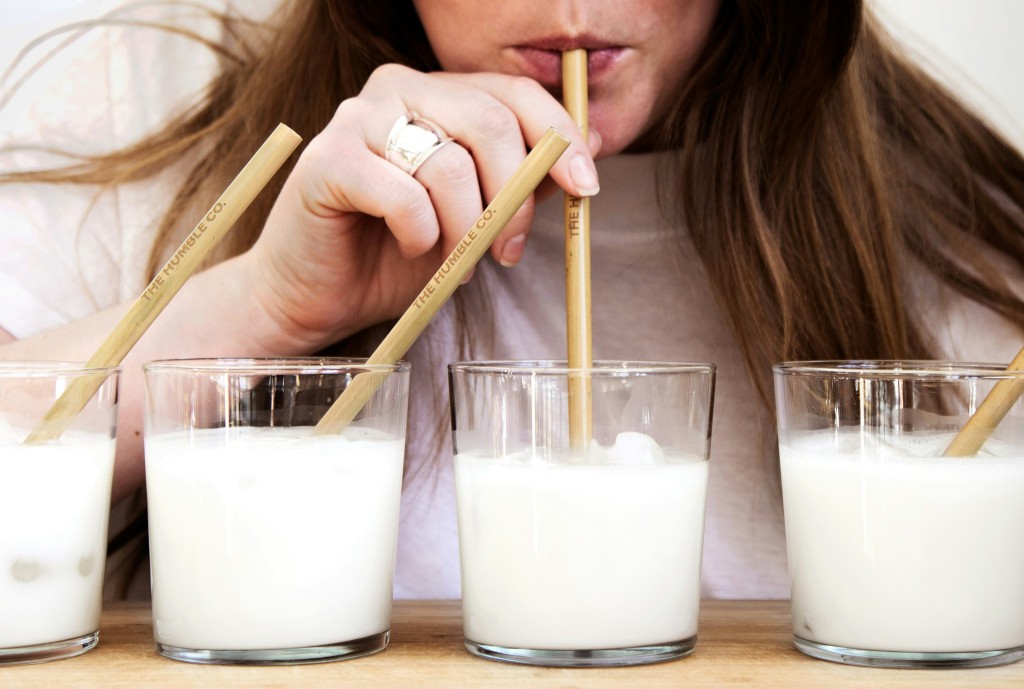
A survey conducted this year by the Hong Kong Community Nutrition Association found that a staggering 80.4 percent of elderly people have insufficient meat intake, and 94.1 percent have inadequate dairy consumption—both directly impacting their muscle health and strength. Furthermore, over 70 percent of seniors failed tests related to muscle mass, indicating a widespread risk of sarcopenia. This not only affects daily activity capacity but also increases the risk of falls and fractures.
Dr. Wong Wing-sum, Administrative Director of the China Hong Kong Physical Fitness Association, previously explained in an interview with Sing Tao Headline that sarcopenia is characterized by a significant decrease in muscle mass and muscle atrophy, leading to markedly weakened muscle strength and often accompanied by impairments in daily living activities. The elderly are a high-risk group. Research data shows that as age increases, muscle mass in the elderly decreases by approximately 1 percent per year, and the decline in muscle strength occurs three times faster than the loss of muscle mass. Seniors or their caregivers can observe and note the following conditions to identify signs of sarcopenia:
- Muscle atrophy (especially in the calves, quadriceps, and shoulders)
- Feeling incapable during movement or activities
- Walking slower than before
- Poor balance
- Functional impairments in daily life, e.g., difficulty climbing stairs
- History of falls
Sarcopenia Increases Risk of Falls and Fractures; 3 Strategies to Improve Condition and Build Strength
Wong pointed out that when sarcopenia becomes severe, an elderly person's activities of daily living are significantly impacted, potentially leading to poor mobility. The ability to care for oneself independently declines, requiring assistance with everyday tasks. Clinically, the co-occurrence of sarcopenia and osteoporosis is as high as 20 percent, with women, advanced age, and individuals with a history of fracture being the main risk factors. When someone suffers from both sarcopenia and osteoporosis, the risk of fracture from a fall increases accordingly. Statistics show that 20 percent of elderly patients with hip fractures pass away within the first six months due to secondary complications, and 50 percent of those who fracture permanently lose their ability to live independently.
He emphasized that the vast majority of patients can sufficiently improve their sarcopenia condition by adhering to lifestyle medicine principles: adjusting dietary habits and incorporating appropriate resistance training targeted at muscles into their daily routine.
- Diet and Nutrition: Pay attention to adequate intake of protein, Vitamin D, selenium, magnesium, and Omega-3 fatty acids.
- Resistance Training: Perform moderate- to high-intensity resistance training targeting major muscle groups two to three times per week.
- Traditional Chinese Medicine Treatment: TCM believes the spleen governs the muscles. Acupuncture, moxibustion, and Chinese herbal medicine also provide another treatment option for the elderly.