The common impression of dementia – commonly known as senile dementia – is that of elderly individuals gradually forgetting loved ones, getting lost, and even struggling with daily self-care. This type of cognitive decline is most commonly seen in Alzheimer's disease, which has become an "invisible killer" amidst an aging population. Fortunately, we can now detect brain changes at a relatively early stage through magnetic resonance imaging (MRI). Combined with treatment and lifestyle adjustments, it offers an opportunity to secure more “lucid years” for patients and their families.
Aging Population Increases Dementia Risk: How Can MRI Intervene Early for Prevention?
The impact of dementia extends far beyond just forgetfulness; it also affects mood, judgment, and even behavior. MRI scanning, being radiation-free and allowing for repeat examinations, is a crucial tool for assessing brain health:
- Brain Structure Examination: It can clearly show whether certain parts of the brain have shrunk or been damaged. For example, it can assess if the hippocampus, related to memory, has atrophied. This is a common method for evaluating Alzheimer's disease and vascular issues and also facilitates long-term tracking of disease progression by doctors.
- Brain Function-Related Changes: Through different scanning techniques, doctors can understand brain blood flow and energy usage patterns, detecting subtle abnormalities earlier and reducing the risk of progression to severe cognitive impairment later.
- Differentiating Types of Dementia: Combined with other test results, MRI helps distinguish between different causes like Alzheimer's disease and vascular dementia, leading to clearer treatment directions.
- Pre- and Post-Treatment Follow-up: Whether adjusting medication or implementing other treatments, doctors can use MRI to compare images before and after, ensuring safer and more effective treatment.
How is MRI Used for Early Detection?
Doctors typically first assess whether a patient has suspected cognitive impairment through consultations and simple cognitive tests (e.g., asking for the date, remembering three words, drawing). If there is persistent memory decline, significant personality changes, difficulty managing finances, or problems with gait and speech, the doctor will recommend a brain scan to rule out other causes like stroke, brain tumors, or hydrocephalus, while also observing for signs of dementia.
- Public hospitals schedule scans based on clinical urgency.
- Private healthcare and some "Brain Health Check" or "Cognitive Health Assessment" programs offer self-paid MRI brain scan options, allowing individuals with a family history or high levels of concern to gain a more in-depth understanding.
However, the decision on whether an MRI is necessary should be made after consulting a specialist doctor, who will provide a professional judgment on the need for further imaging, rather than based solely on subjective anxiety.
Daily Brain Care: A Simple Guide for the Elderly
To protect brain health, daily habits are also crucial. For the elderly and their caregivers, focus can be placed on the following three areas:
- Caring for the Heart Equals Caring for the Brain: Regularly attend follow-up appointments to monitor blood pressure, blood sugar, and blood lipids. Pay attention to a diet low in salt, sugar, and oil, and rich in vegetables and fish. Coupled with quitting smoking and reducing alcohol intake, this can lower the risk of stroke and vascular dementia.
- Consistent Exercise: Aim for at least three times a week, about thirty minutes each session, of activities like brisk walking, Tai Chi, fitness exercises, or swimming. Studies indicate that aerobic exercise helps increase cerebral blood flow and maintain cognitive function.
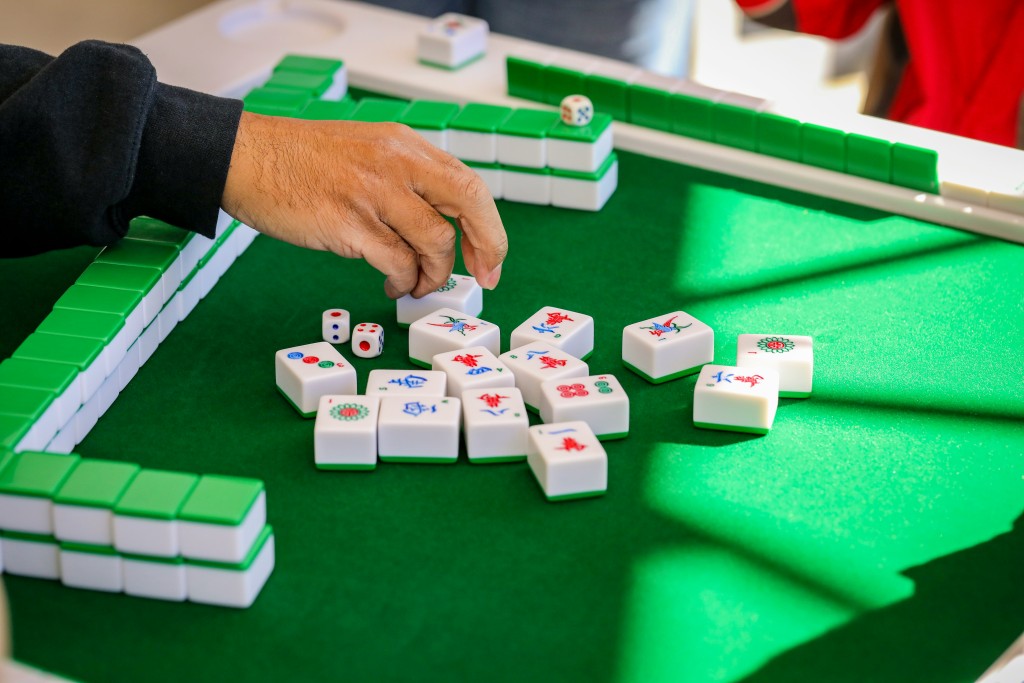
- Engage the Mind and Socialize: This includes activities like playing mahjong, chess, learning to use smartphones, calligraphy, and participating in interest classes at elderly centers. These activities train memory, concentration, and social skills simultaneously. Local research has found that the more regularly one engages in cognitive activities, the more stable the neural networks become.
Seeking Medical Help Early, Paired with Professional Judgment
Many family members worry that a dementia diagnosis equates to a sentence of "no cure," leading them to delay seeking medical help for the elderly. Specialists remind us that there are now medications and non-drug treatments available for certain types of dementia that can slow the progression of the disease, and the earlier the intervention, the better the effect.
While MRI can reveal the state of the brain, interpreting the images and determining whether changes are due to normal aging or pathology still requires a doctor's comprehensive analysis based on medical history, physical examination, cognitive tests, and other results.
Hong Kong is moving towards a super-aged society, and medical institutions are gradually strengthening services related to "brain health." From outpatient consultations and cognitive assessments to MRI scans, the hope is to allow the public to detect risks one step earlier and prepare accordingly. For everyone, the most important thing is not to memorize all medical terms, but rather, once noticing significant changes in your own or a family member's memory and behavior, to have the courage to face it, seek support and professional assistance, follow the doctor's advice for appropriate examinations, and simultaneously practice brain-healthy habits in daily life. This can help preserve more clarity and dignity for the patient.