Osteoporosis affects 37 percent of Hong Kong individuals aged above 50, with about half being postmenopausal women, indicating its high prevalence in the city.
Sing Tao Headlines, a sister publication of The Standard, interviewed Australian registered dietitian Kiki Yuen Hoi-kei on the matter. She pointed out that preventing osteoporosis requires not only adequate calcium intake but also other key nutrients essential for bone health.
Is Drinking Milk Alone Enough to Prevent Postmenopausal Osteoporosis?
Yuen explained that as one grows older, the rate of natural bone loss accelerates. This is especially true for women after menopause, where significantly decreased estrogen levels further exacerbate bone loss. Yuen reminded that older adults should pay special attention to bone health and actively take preventive measures.
Unhealthy lifestyle habits such as smoking and excessive alcohol consumption increase the risk of osteoporosis. A lack of regular weight-bearing exercise also leads to insufficient bone stimulation, accelerating bone loss. Furthermore, individuals with a family history of fractures or those taking certain cancer treatment medications also have a significantly elevated risk of osteoporosis.
Some chronic diseases, like hyperthyroidism, kidney disease, and rheumatoid arthritis, are also closely related to osteoporosis. Diets lacking in nutrients such as calcium, protein, vitamin D, and vitamin K, or long-term lack of sun exposure, also make one prone to osteoporosis.
How to Effectively Consume Dairy for Calcium?
Yuen emphasized that calcium is the core element for maintaining bone density and structure. However, according to a nutrition screening for Hong Kong's elderly conducted by the Hong Kong Dietitians Association (HKDA) this year, results showed that 94.1 percent of the elderly respondents had insufficient dairy intake.
Another 2021 community mobile nutrition clinic pilot program revealed that 91.9 percent of children in Hong Kong also have insufficient dairy intake. Yuen then revealed the recommended daily dairy intake portions for different age groups.
For toddlers, children, adolescents, two servings of dairy per day are required to help achieve peak bone mass. For those aged two or above, low-fat milk and similar products are recommended. For adults, one to two servings of dairy is recommended per day to maintain bone density. As for the elderly, the same amount is recommended per day to prevent osteoporosis and fractures.
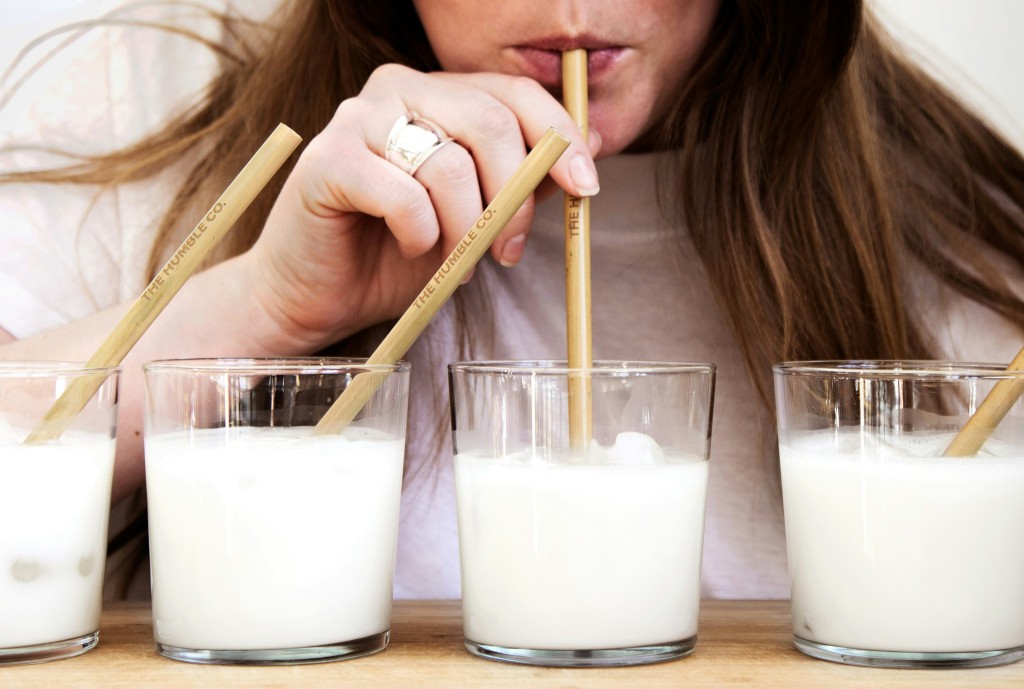
Regarding what constitutes as one serving of dairy, Yuen stated it is approximately equivalent to one cup of high-calcium low-fat milk or high-calcium plant-based milk, two slices of high-calcium low-fat cheese, or a 150g carton of low-fat yogurt.
She recommends incorporating dairy into breakfast daily to increase protein and calcium intake, which can also lift children's mood and concentration. Alternatively, drinking milk half an hour before bedtime at night can aid nighttime bone repair, with the tryptophan in milk further improving sleep quality.
For individuals with lactose intolerance or milk allergy, Yuen recommends choosing high-calcium plant-based milk as an alternative.
She also reminds everyone to avoid excessively taking nutritional supplements. Intake should be adjusted according to individual needs to prevent health issues like kidney stones, emphasizing that a balanced diet is the foundation of bone health.