Prostate cancer is one of the most common types of cancers among men in Hong Kong. In 2022 alone, there were 2,758 new cases of prostate cancer, with most of the patients being older men.
The likelihood of developing prostate cancer gradually increases with age. It is, however, preventable if proactive measures are taken by implementing generally used diagnostic methods to reduce their risk.
Key Prevention Tactics to Reducing Risks of Prostate Cancer
1. Food habits
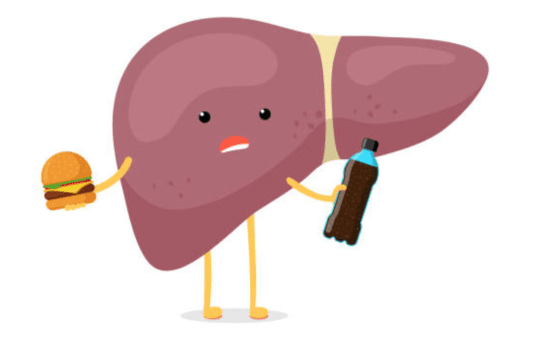
While many consider it general knowledge, the risks of eating calorific and high-fat foods for a prolonged period of time can still be undermined. Not only do they aggravate chances of heart disease and stroke, they also increase the risk of developing prostate cancer considerably.
Reducing one’s red meat and processed meat consumption can also be beneficial to their health. According to the US National Institute of Health (NIH), the presence of heme iron in red and processed meat, as well as the N-nitroso compounds in processed meat are considered DNA damaging. Moreover, the high fat content in these meats increase the risk of hormone-related cancers such as breast and prostate cancer.
Adopting a healthy diet, on the other hand, can significantly reduce the risk of prostate cancer. Dietary habits such as eating plenty of fruits and vegetables – foods that are rich in antioxidants – can reduce cellular damage. Replacing saturated fats with unsaturated and healthy fats such as olive oil and fish oil may also reduce the risk of cancer.
2. Regular exercise and weight management
Maintaining an active lifestyle helps decrease the risk of various cancers, including prostate cancer. It is recommended to engage in at least 150 minutes of moderate-intensity exercises per week, like brisk-walking, swimming, or cycling.
Obesity may increase chances of developing prostate cancer, thus managing one’s weight through a healthy, balanced diet and regular exercise can play a part in lowering this risk.
3. Monitor family history
Family history may also play a major role in increased cancer risks, for which men should consult healthcare professionals for advice on early screening just in case. They may also consult family doctors to learn of any history of cancer in their families.
4. Quit smoking and reduce alcohol consumption
Smoking and excessive alcohol consumption are both linked to an exacerbated risk of various cancers, including prostate cancer. Quitting smoking and reducing alcohol intake can aid in lowering the risk of developing prostate cancer as well.
Taking Initiative
Prevention and early diagnosis of prostate cancer are key to improving treatment success rates. Through a healthy lifestyle, regular check-ups, and understanding family history, men can effectively reduce their risk of developing prostate cancer.
Individuals should take initiative to incorporate the above mentioned healthy lifestyle habits into their lives. If any prostate-related symptoms occur, individuals should seek medical advice promptly for examination and diagnosis. If diagnosed with cancer, it is also essential to thoroughly discuss with the attending doctor to develop a suitable treatment plan.