Hong Kong can help mainland China break the vicious cycle of involution, with the electric vehicle industry serving as a prime example.
Involution, a term used to describe excessive competition, has become a buzzword in mainland China amid economic uncertainties and the ongoing tariff war.
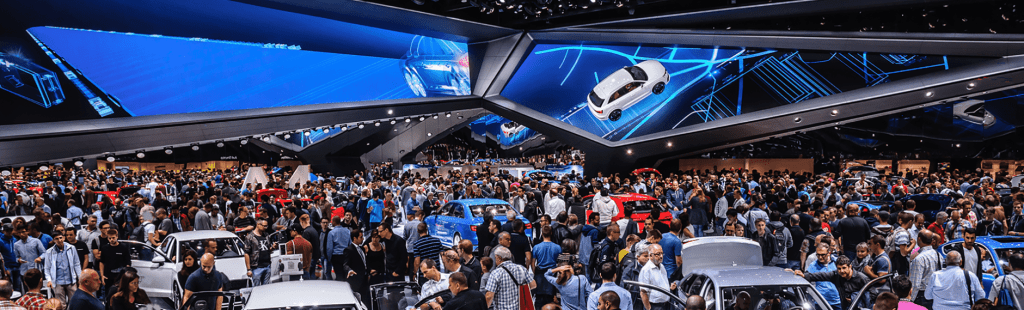
One of the clearest examples of this phenomenon is the electric vehicle industry, which has seen price wars, collapsing companies, and intense market pressures in recent years.
A notable comment on this issue came from Great Wall Motor chairman Wei Jianjun, who controversially compared EV giant BYD to the cash-strapped property developer Evergrande.
While this analogy is questionable, this author agrees with Chief Executive John Lee Ka-chiu’s assertion that Hong Kong has a significant role to play in supporting auto adn related industries.
According to Lee, Hong Kong can contribute in three key ways: by raising capital and bringing mainland brands to international markets, by facilitating technological innovation as a hub for research, and by leading efforts in green mobility.
Financial connections
Hong Kong’s strength as a capital-raising market is indisputable. For example, CATL, a leading battery manufacturer, recently raised HK$35.7 billion in Hong Kong, with 90 percent of the funds earmarked for building a new facility in Hungary. This demonstrates Hong Kong’s ability to connect mainland companies with global investors.
Additionally, Hong Kong’s reputation as a global platform makes it an ideal location for showcasing new EV models to the world. XPeng, for instance, chose Hong Kong as its base for global expansion and unveiled one of its latest models here in April, inviting hundreds of international journalists to cover the event.
English media can promote brands globally
With access to a global audience, Hong Kong’s media, particularly its English-language outlets, can further amplify the presence of mainland brands and EV as well as other products in international markets, strengthening their global reach and reputation.
In green technology, Hong Kong has the potential to facilitate advancements in EV-related fields such as battery recycling, battery capacity, lightweight materials, and energy efficiency.
As China explores innovations like vehicle-to-grid technology – which allows EVs to store and transfer energy back to the grid – Hong Kong can also contribute in terms of research and development, helping to refine and popularize such technologies on a global scale.
Despite the challenges facing China’s EV industry, comparing BYD to Evergrande is flawed. While BYD faces significant short-term financial obligations, including 411 billion yuan (HK$448.4 billion) in payments compared to 103 billion yuan in cash reserves, it generated 815 billion yuan from operational activities last year. Its assets are valued at 800 billion yuan, with only 20 billion yuan in outstanding bank loans.
EVs are consumer goods with a strong international market and BYD’s global presence, including factories and sales networks worldwide, provides a buffer against domestic market challenges.
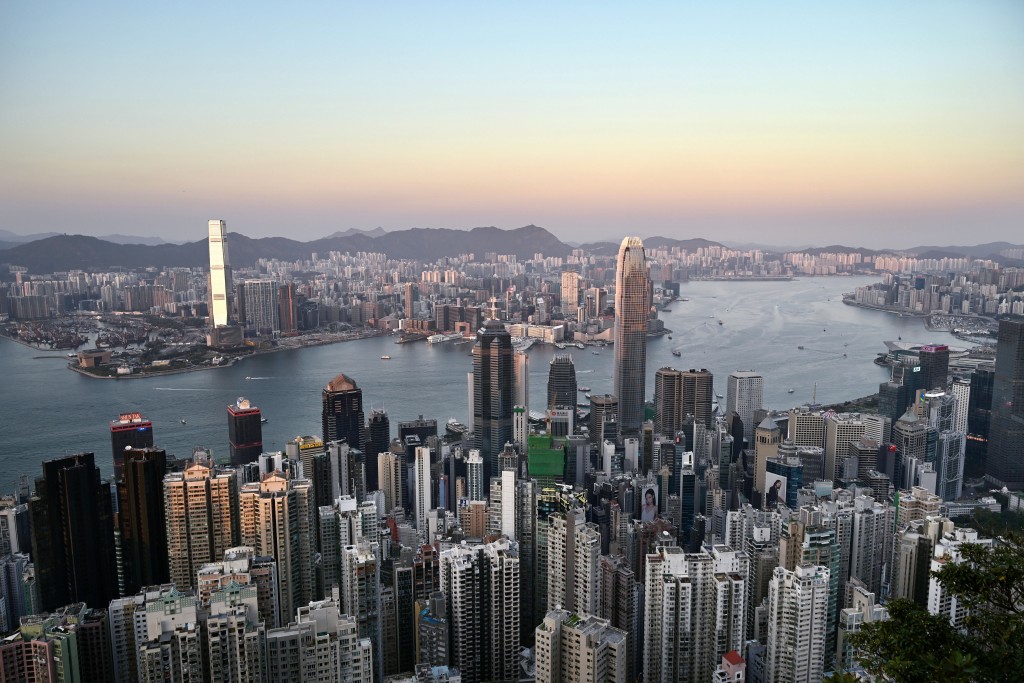
Hong Kong’s role should not be limited to the EV industry. Its strategic position as a global financial center, its access to international markets, and its hub for innovation make it well-suited to help mainland China market goods overseas.
By leveraging its strengths, Hong Kong can help mainland companies break out of the involution cycle, setting an example with the EV industry.