Read More

HKMA highlights cautious optimism and Asia focus amid global volatility
28-01-2026 17:28 HKT
Hong Kong's stablecoin ordinance to commence operation in August
06-06-2025 15:14 HKT



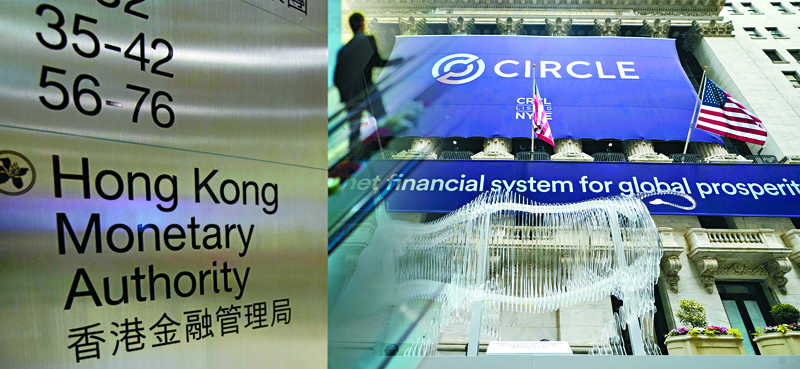
Hong Kong will implement a groundbreaking stablecoin law on August 1 in a significant step to strengthen its position as a global financial center.
This move not only solidifies the city’s leadership in digital finance but also amplifies China’s influence in shaping the future of international monetary systems.
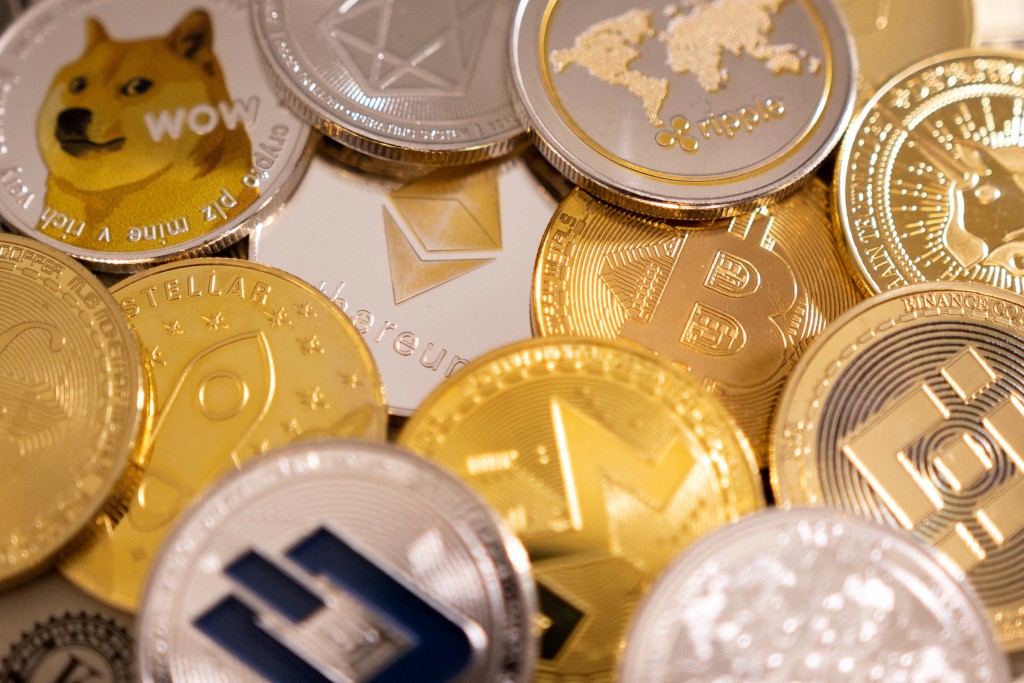
Stablecoins present an opportunity to streamline transactions, offering users a safer, faster and cheaper alternative to traditional methods. Unlike cryptocurrencies, which are often volatile and lack intrinsic value, stablecoins are pegged to reserved liquid assets of equal value.
In Hong Kong, issuers must back stablecoins with assets such as time deposits of less than three months and additional collateral, ensuring stability and reliability. To further protect users, issuers are required to meet a minimum capital requirement of US$25 million (HK$195 million), and issuers and trading platforms are subject to strict regulation. To a certain extent, this structure is reminiscent of traditional currencies such as the Hong Kong dollar, which is backed by US dollar reserves.
In comparison, the United States requires issuers to back the stablecoins with the greenback and treasury bills, but not other currencies.
Currently, over 80 percent of stablecoins are pegged to the US dollar, with their trading volume of US$27.6 trillion in 2024 surpassing that of Visa and Mastercard combined.
One prominent example of a successful stablecoin is the US-issued USDC, the world’s second-largest stablecoin. Each USDC is backed by one US dollar, providing users with confidence in its value.
The stablecoin’s issuer Circle Internet Financial made headlines with its trading debut in New York last week, and its stock has nearly tripled in value in just a few days. This underscores the global appetite for regulated stablecoins.
Hong Kong’s stablecoin framework begins by linking the coin to the Hong Kong dollar. However, the potential for future pegging to the US dollar or the yuan opens exciting possibilities for global trade. With China being the world’s largest manufacturing hub and the yuan still not fully convertible, stablecoins could act as a bridge for facilitating trade with China.
Three companies have already passed the Hong Kong Monetary Authority’s sandbox test for stablecoin issuance. These include Jingdong Coinlink Technology Hong Kong, RD InnoTech, and a joint venture led by Standard Chartered Bank (Hong Kong), Animoca Brands, and Hong Kong Telecommunications.
Their success demonstrates Hong Kong’s readiness to roll out stablecoin solutions that meet strict regulatory standards.
To further protect customers, issuers must ensure that stablecoins can be redeemed in cash within one day of a request, with excessive charges prohibited.
Beyond retail use, stablecoins have immense potential to revolutionize international trade.
Tokenization – the process of converting real-world assets into digital tokens – can unlock new avenues for trade, investment, and financial innovation. Imagine tokenized commodities, real estate, or even intellectual property being traded on blockchain platforms, with stablecoins enabling instant settlements.
Hong Kong’s stablecoin initiative is also well-timed to strengthen ties with the Middle East, a region known for its crypto development.
By offering a regulated, secure, and efficient framework, Hong Kong is not only setting a global benchmark for digital currency adoption but also paving the way for China to wield greater influence in the global financial ecosystem.
The stablecoin revolution is here, and Hong Kong is leading the charge.