Just because you could do something doesn't mean you should.
It's about this time of year that participants and pundits alike start making the case that there should be more feature races at Happy Valley or even one on Sha Tin's all-weather track.
Tonight's Group 3 January Cup is the only "Group" race at either track on the Hong Kong Jockey Club's current program but there has been a perennial push for more at the iconic city circuit.
It is also this time of year that the upcoming rich dirt races in the Middle East- and Hong Kong's surprising performances in them over the last decade - prompt some to push for a pathway of Group races on the Sha Tin all-weather track.
Let's start with Happy Valley. First of all, the track might just be the best in the world for fans and is a bucket list destination for tourists.
The proximity to the action and its towering grandstands mean that the sightlines for spectators are unparalleled.
So why are the biggest races held at Sha Tin? It is because Happy Valley is small, only 1400 meters in circumference and with a 321-meter straight when the rail is in normal position, it cannot handle full-capacity fields from some start points or rail placements.
Basically, in a top-class race the best horse usually wins at Sha Tin but at Happy Valley it is more often the best barrier draw or best ride that decides the outcome.
What about Sha Tin's dirt track? Firstly, the "all-weather track" label is a misnomer, as it is a traditional US-style dirt surface. The "AWT" has become the launchpad for a number of horses that have won or run well in foreign features like American Grade 1 winner Rich Tapestry.
Hong Kong's dirt track success stories have happened by accident though in that the horses were purchased to succeed on turf. Truth is that after Rich Tapestry failed to make the Hong Kong Derby cut on turf, trainer Michael Chang Chun-wai tried dirt.
The bottom line when it comes to the question of feature races on Happy Valley and Sha Tin's dirt track is that Hong Kong doesn't have the horse population to support an expanded program.
The World's Best Racehorse Rankings last year provided some startling statistics when it comes to the quality of Hong Kong's horses.
Despite having no horse breeding industry, and with a horse population of around 1200 (just 0.8 per cent of the world's racehorses), Hong Kong provided four of the horses ranked among the world's top 15.
Those horses have 12 Group 1 races to contest and all of them were ranked in the top 100 races in the world in 2024.
The so-called "pattern" of Group 1, 2 and 3 races, a pyramid structure in which "G1" is meant to be a championship race, were designed to be an international standard of quality and the Jockey Club has done well to maintain its integrity.
Other jurisdictions, Australia being the worst offender, have continued to add Group races - there were 76 G1s Down Under in 2024 - and it has hurt the reputation of not only Australian racing but the G1 designation overall.
As the Jockey Club and its officials grow in their international influence through roles in the Asian Racing Federation and the International Federation of Horseracing Authorities - HKJC CEO Winfried Engelbrecht-Bresges is chairman of both - a respect for racing's structure at home is a case of leading by example.
Perhaps there is a case for more high-quality contests away from the Sha Tin turf and they may even qualify as Group 3 level but when it comes to maintaining Hong Kong racing's high reputation those contests can do without the Group race designation for now.
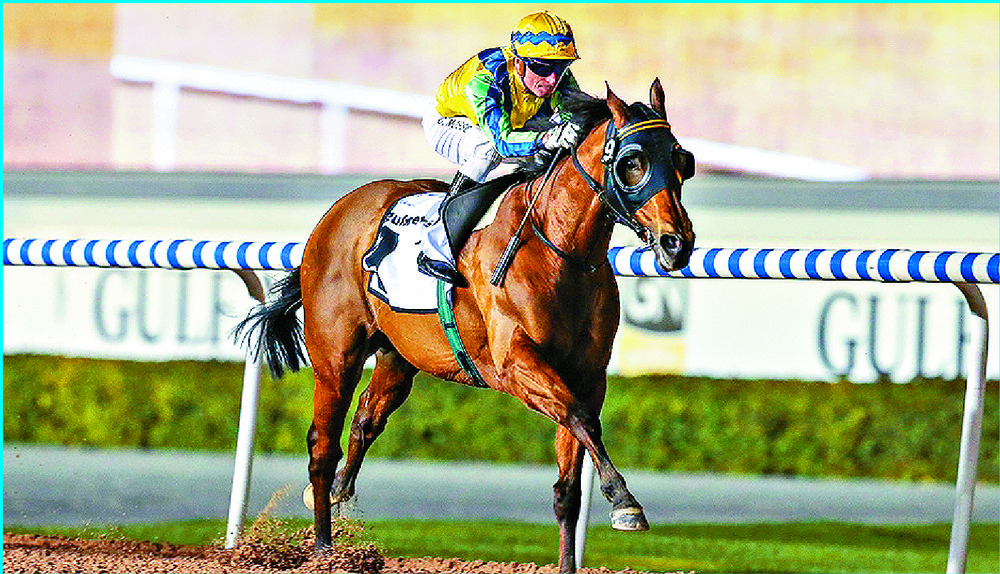
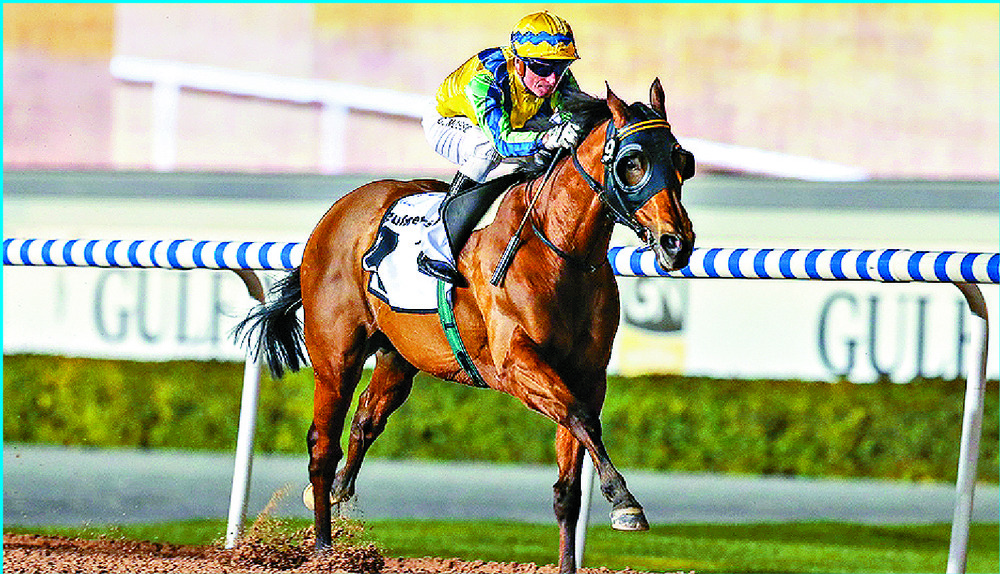
Now-retired Rich Tapestry, with Gerald Mosse in the saddle, wins the Group 3 Al Shindagha Sprint over 1,200m in Meydan Racecourse in Dubai in 2016.